
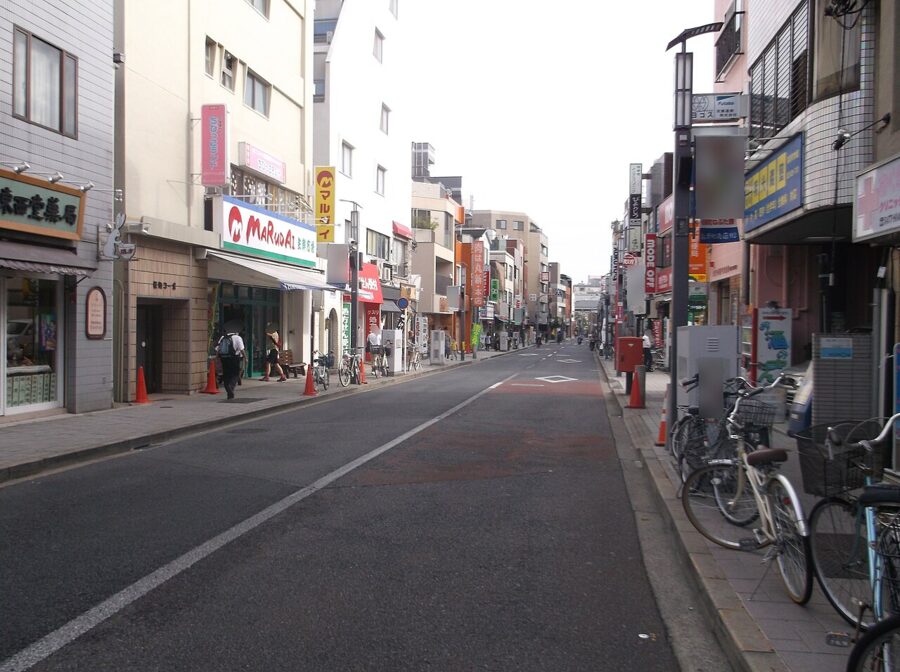
Every Sunday evening since 1969, Japanese television has run a cartoon about a housewife whose name nobody says without an ending. She is サザエさん (Sazae-san), and the さん on the end is the one honorific you can put on almost anyone: a man or a woman, a neighbor or a stranger, a family name or a first name.
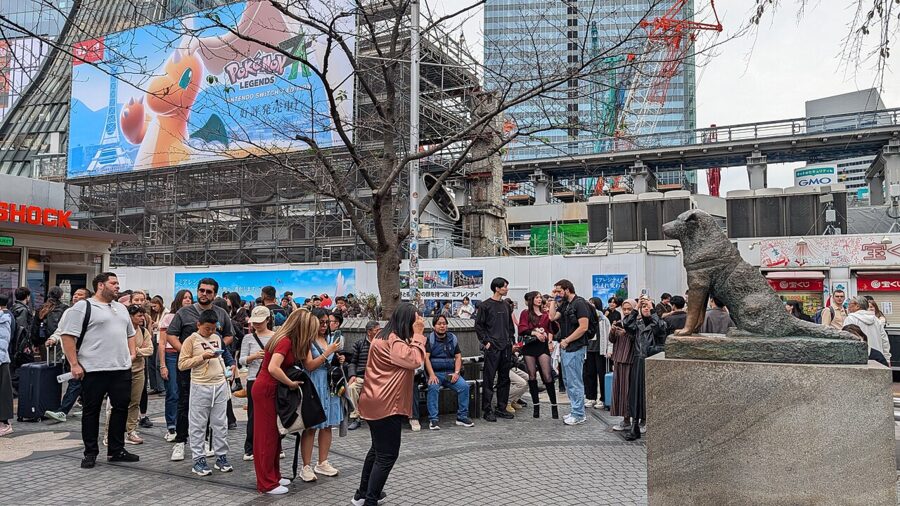
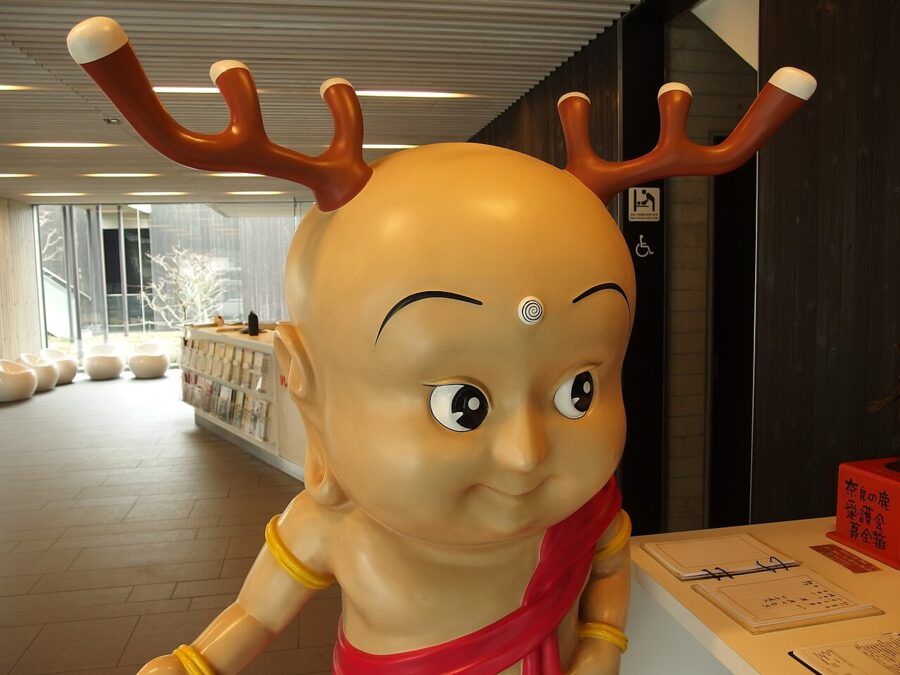
Cross Tokyo to Shibuya Station and the bronze dog by the exit carries a different ending. His name was Hachi; the ハチ公 (Hachikō) everyone uses adds 公 (kō), once a title for lords, later a fond and slightly joking tag for people and animals. In Nara the prefecture’s antlered mascot is せんとくん (Sento-kun), and in any classroom in the country a teacher is about to call a boy in the front row 田中くん (Tanaka-kun).

These endings are 敬称 (keishō), honorific titles, and Japanese uses them where English uses Mr., Ms., Dr. or nothing at all. The core rules fit on a postcard. The exceptions take longer, and learners trip over the same few every time.

目次 Contents
- How Japanese name suffixes work
- さん (-san): the safe default
- くん (-kun): boys, juniors and one surprising building
- ちゃん (-chan) and its baby sister たん (-tan)
- 様 (-sama): customers, letters and gods
- 先輩 and 後輩 (senpai and kōhai)
- 先生 and 博士 (sensei and hakase)
- 殿 (-dono), 氏 (-shi) and the written register
- No suffix at all: 呼び捨て (yobisute)
- At work: titles instead of suffixes
- Mistakes learners make, and what anime gets wrong
- Practice set
How Japanese name suffixes work
A suffix goes straight after the name: 田中さん (Tanaka-san), 由香ちゃん (Yuka-chan), 山田先生 (Yamada-sensei). Japanese puts the family name first, so 田中由香 (Tanaka Yuka) is Ms. Tanaka, and with adults you meet through work or study the family name plus さん is the default. A given name plus a suffix signals that you are closer, that you are talking to a child, or that several people in the room share a surname.
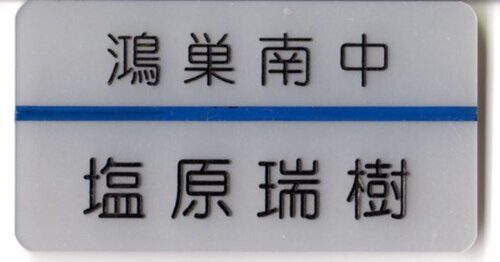

Three rules cover most of the ground. First, a suffix never goes on your own name: you say 田中です (Tanaka desu), “I’m Tanaka” (polite), never 田中さんです. The only people who get away with it are small children, who often talk about themselves in the third person, ゆいちゃんも行く! (Yui-chan mo iku!), “Yui’s going too!”
Second, Japanese splits people into your own side, うち (uchi), and the outside, そと (soto). When you talk to someone outside your company or family about someone inside it, you drop the suffix and even the title. A receptionist will say 田中はただいま席を外しております (Tanaka wa tadaima seki o hazushite orimasu), “Tanaka is away from his desk just now” (formal), about her own manager, and you call your mother 母 (haha) to a friend, not お母さん (okāsan).
Third, none of these endings mark marriage, and only a few lean male or female. One さん covers Mr., Mrs., Ms. and Miss, which is why English translations wobble.
| Suffix | Who gets it | Level |
|---|---|---|
| さん (-san) | Almost anyone; the adult default | Polite |
| くん (-kun) | Boys, younger men, juniors | Casual to neutral |
| ちゃん (-chan) | Small children, close friends, family, pets | Casual, affectionate |
| 様 (-sama) | Customers, letter recipients, gods, royalty | Formal |
| 先輩 (-senpai) | Someone ahead of you at school or work | Polite |
| 先生 (-sensei) | Teachers, doctors, lawyers, authors | Polite |
| 博士 (-hakase) | Scientists and professors, mostly in fiction | Polite, a little playful |
| 殿 (-dono) | Official documents, certificates | Formal, written |
| 氏 (-shi) | News reports, academic writing | Formal, written |
| たん (-tan) | Baby talk, characters online | Casual, cute |
| none | Close friends, family, juniors, historical figures | Casual, or rude |
さん (-san): the safe default
さん is a worn-down form of 様 (sama), softened over centuries of speech into the everyday word. When the National Language Council set out its recommendations on honorific titles in 1952, its first line was simply that さん is the standard form. If you are not sure, use さん.
| Japanese | Romaji | English |
|---|---|---|
| 田中さん、おはようございます。 | Tanaka-san, ohayō gozaimasu. | Good morning, Mr. (or Ms.) Tanaka. (polite) |
| 由香さんも来ますか。 | Yuka-san mo kimasu ka. | Is Yuka coming too? (polite) |
| 駅員さんに聞いてみて。 | ekiin-san ni kiite mite. | Try asking the station attendant. (casual) |
| お医者さんに行った? | o-isha-san ni itta? | Did you go to the doctor? (casual) |
Those last two lines show something English has no equivalent for: さん goes on jobs and shops as well as names. 八百屋さん (yaoya-san) is the greengrocer, 本屋さん (hon’ya-san) the bookshop or the person who runs it, お巡りさん (omawari-san) the friendly word for a police officer. It also goes on family words, お母さん (okāsan, mother), お兄さん (onīsan, older brother), and on a few well-loved things and places.
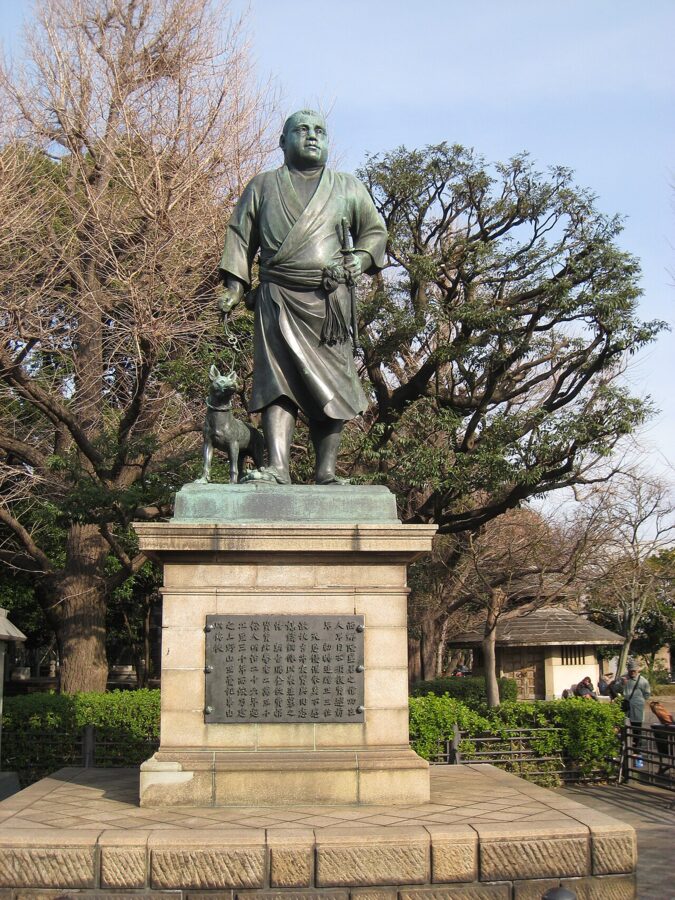
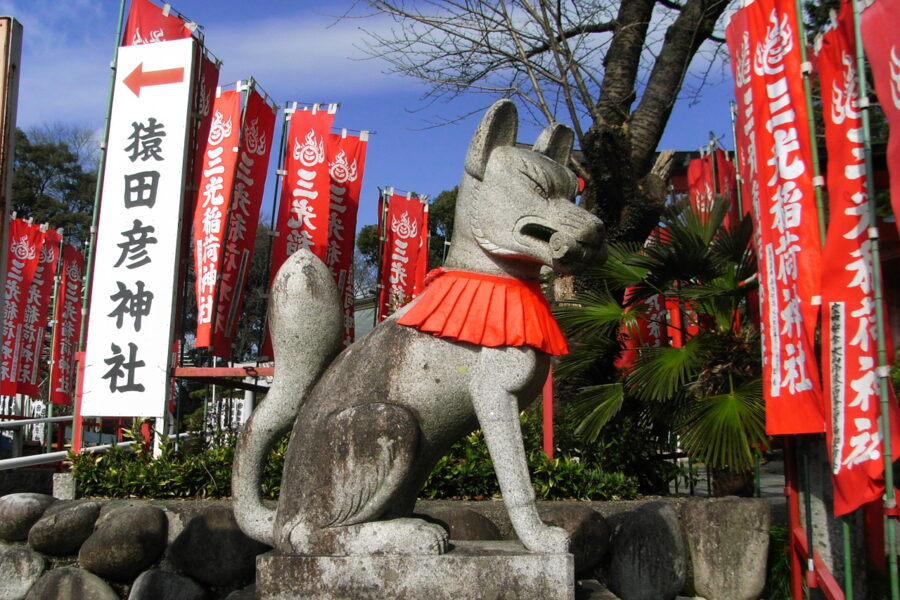
A fox shrine is お稲荷さん (o-inari-san), and so, with a different smile, is a pouch of sweet fried tofu stuffed with rice, the sushi named after those shrines. The moon is お月さん (o-tsuki-san) in older songs and some regional speech. None of this is sarcastic: さん on a thing makes it familiar, the way English might say “old” in “good old Ueno”.

くん (-kun): boys, juniors and one surprising building
君 (-kun) is for boys and for men who are your equals or below you. Teachers use it for male pupils, girls use it for boys in their class, and a section chief may still call a young male colleague 佐藤くん (Satō-kun). It never goes upward: you do not call your boss or your teacher -kun, however friendly they are.
That rule is newer than it looks. Japanese dictionaries note that until around the end of the Meiji era (1912) 君 was used for equals and superiors as well, and the 1952 council described it as “the language of male students”. Some older managers still use -kun for junior women, which many younger workers now find dated.
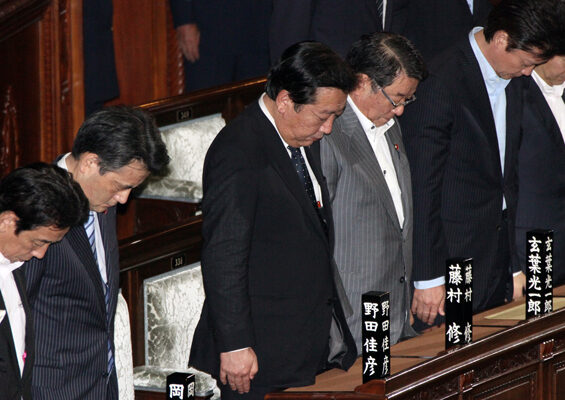

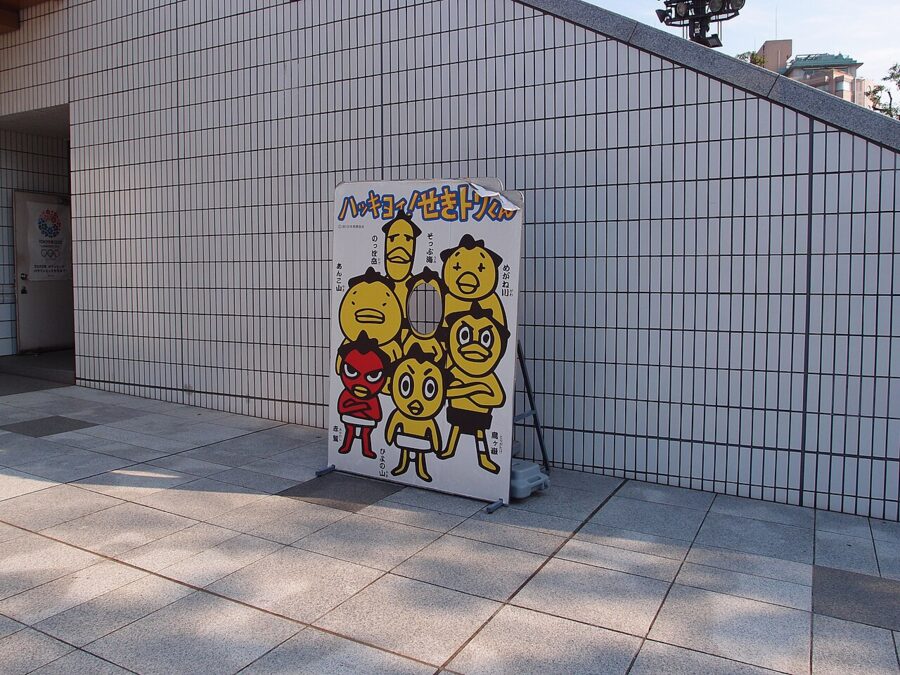
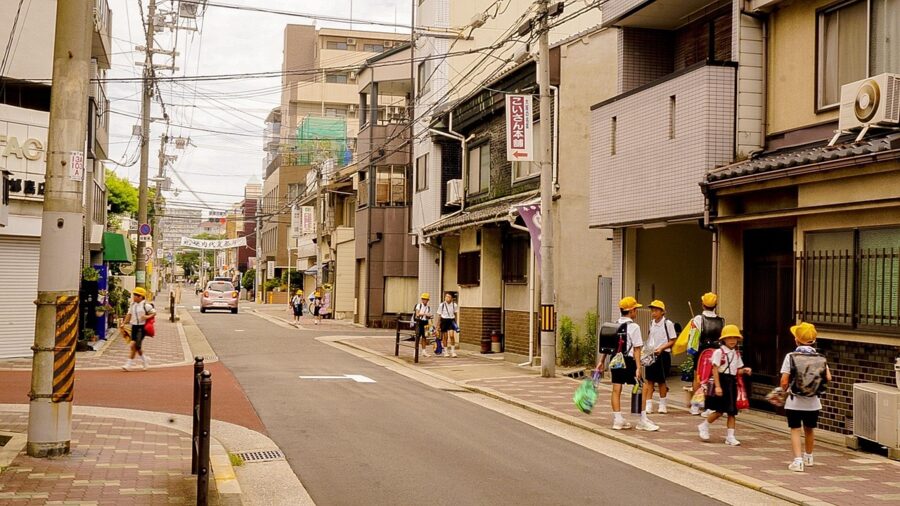
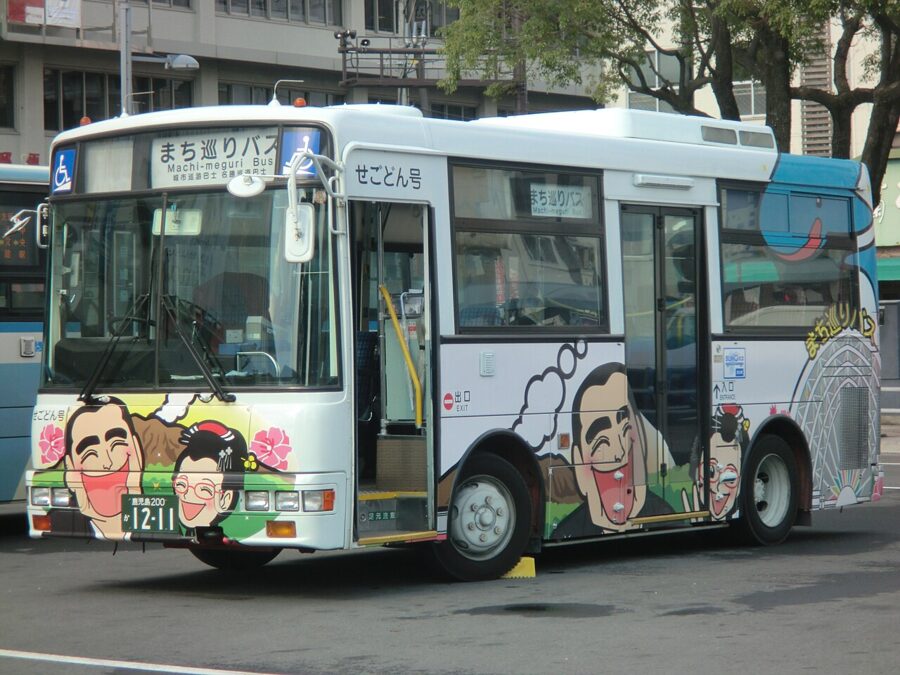
Outside school and parliament, くん is the suffix of choice for mascots and boyish characters: NHK’s brown monster どーもくん (Dōmo-kun), Nara’s Sento-kun, and the sumo association’s cartoon wrestlers.

ちゃん (-chan) and its baby sister たん (-tan)
ちゃん began as a child’s way of saying さん, and it still carries that small-child warmth. Parents use it for babies and toddlers of both sexes, girls use it among friends, and grandparents become おばあちゃん (obāchan) and おじいちゃん (ojīchan). Friends often clip a name and add it, so 智子 (Tomoko) becomes ともちゃん (Tomo-chan).
| Japanese | Romaji | English |
|---|---|---|
| あおいちゃん、何歳? | Aoi-chan, nan-sai? | How old are you, Aoi? (casual, to a small child) |
| お兄ちゃん、待って! | onīchan, matte! | Wait for me! (casual, to an older brother) |
| 飴ちゃん、いる? | ame-chan, iru? | Want a sweet? (casual, Osaka speech) |
That last line is pure Kansai: older women in Osaka are famous for carrying candy and offering 飴ちゃん (ame-chan) to strangers. Pets get ちゃん, so does Hello Kitty, who is キティちゃん (Kitī-chan) in Japan, and 1980s pop stars were 聖子ちゃん (Seiko-chan) to the whole country, a habit that the Japanese idol world still leans on.
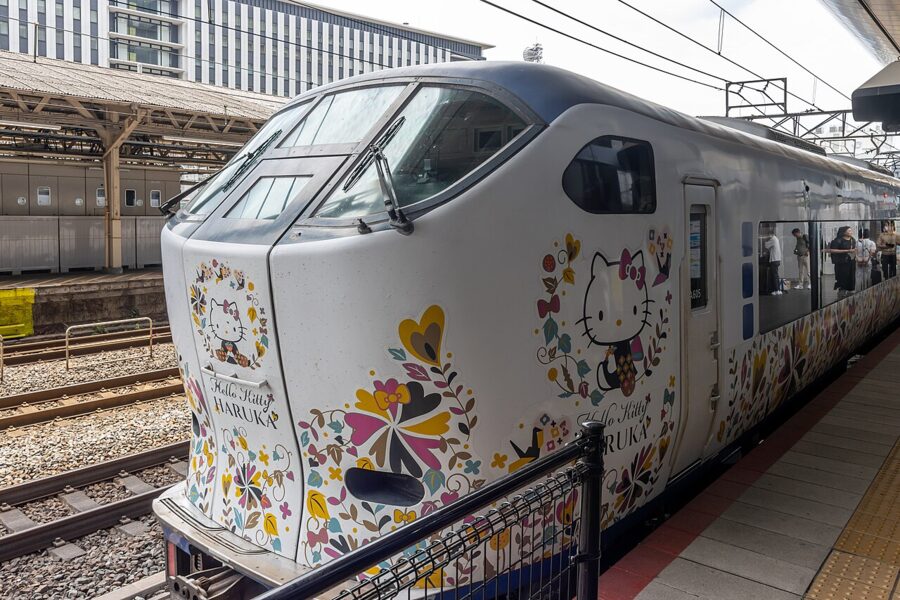

Japanese newspapers have to decide where ちゃん stops. One columnist at the Sankei Shimbun explained that the paper’s working rule is ちゃん for children who have not started school. That is a fair guide for you as well. Use ちゃん on adults only once they use it on themselves or invite it, and never on a superior.
たん (-tan) is ちゃん said with a lisp, the way a toddler might. You will see it online on characters, mascots and fan nicknames, and almost never in real speech between adults. Know it so you recognize it; don’t use it on a person you want to be taken seriously by.
様 (-sama): customers, letters and gods
様 is さん’s formal parent, and in speech you meet it mostly from the other side of a counter. Shop and hotel staff address you as お客様 (okyakusama), “honored customer”. The clinic receptionist calls 田中様 (Tanaka-sama), and station announcements speak to 皆様 (minasama), “everyone” (formal).

様 also sits inside fixed phrases you will say every day. お疲れ様です (otsukaresama desu) greets a colleague at work (polite), ごちそうさまでした (gochisōsama deshita) ends a meal (polite), and お互い様 (otagaisama) means “we’re in the same boat”. 神様 (kamisama) is a god, お姫様 (ohimesama) a princess, and news programs refer to members of the imperial family with さま, as in 愛子さま (Aiko-sama).
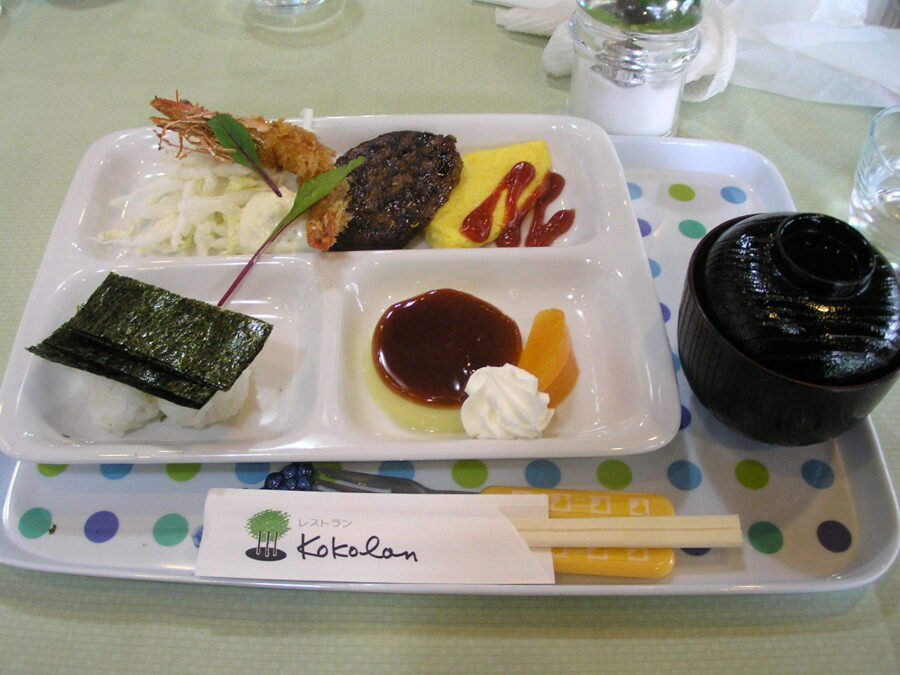
Use 様 yourself on envelopes, emails and formal letters, and in speech to customers if you ever work in a Japanese shop. Between friends it sounds sarcastic. Self-applied, as 俺様 (ore-sama), it is the voice of a cartoon villain or a show-off.
先輩 and 後輩 (senpai and kōhai)
先輩 (senpai) is anyone ahead of you in the same school, club or company, and 後輩 (kōhai) is anyone behind. What counts is when you joined, not your birthday. A colleague two years younger who started a year before you is still your senpai.
You can put 先輩 after a name, 山田先輩 (Yamada-senpai), or use it alone, 先輩、これどうしますか (senpai, kore dō shimasu ka), “What should I do with this?” (polite). 後輩 never works that way. Nobody calls out “Kōhai!”; seniors call juniors by name with くん, さん, ちゃん or nothing.
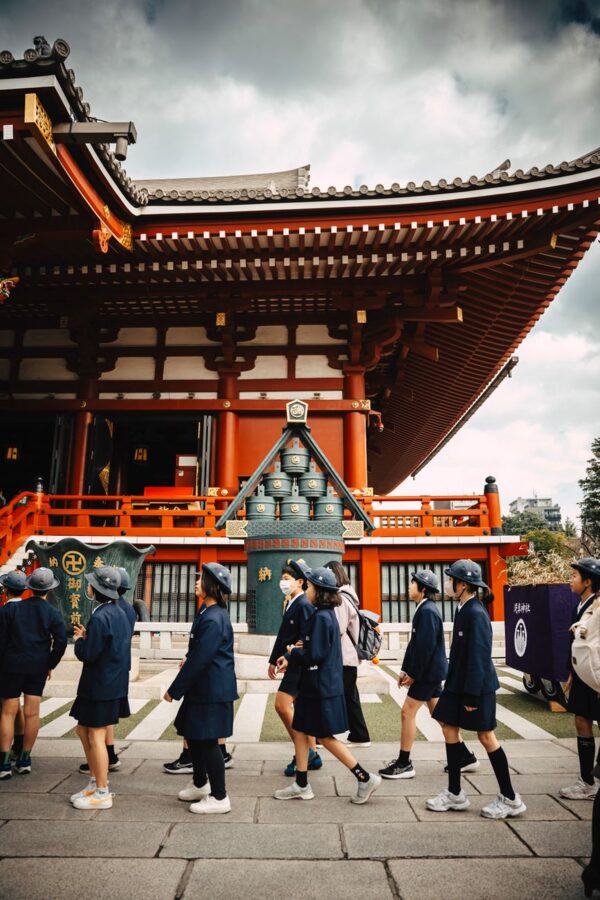
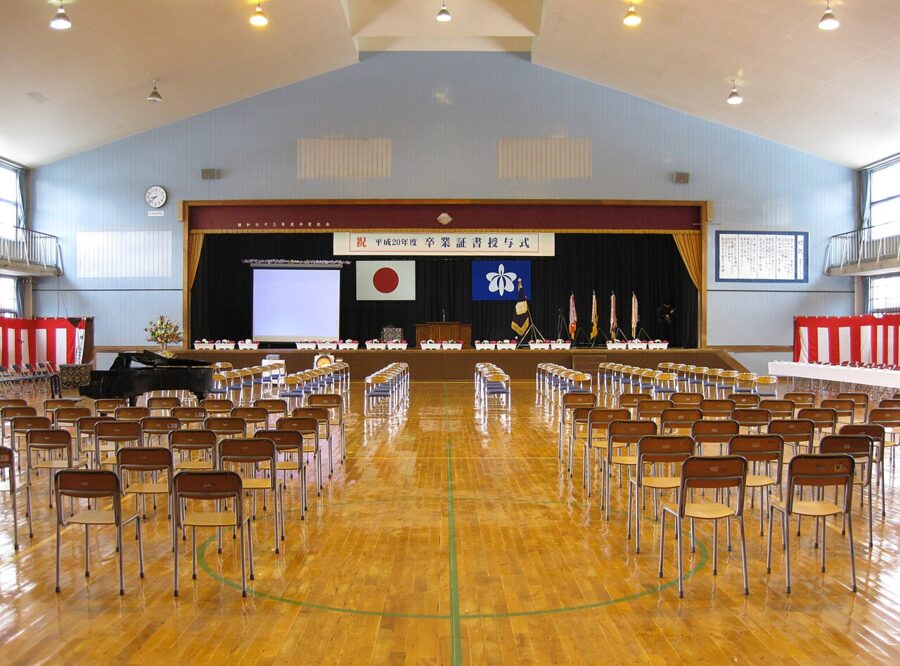
The relationship runs through the whole Japanese school year, from April entrance ceremonies to March graduations, and you can watch it at work at a gakuensai school festival, where third years run the stalls and first years fetch the ice.

先生 and 博士 (sensei and hakase)
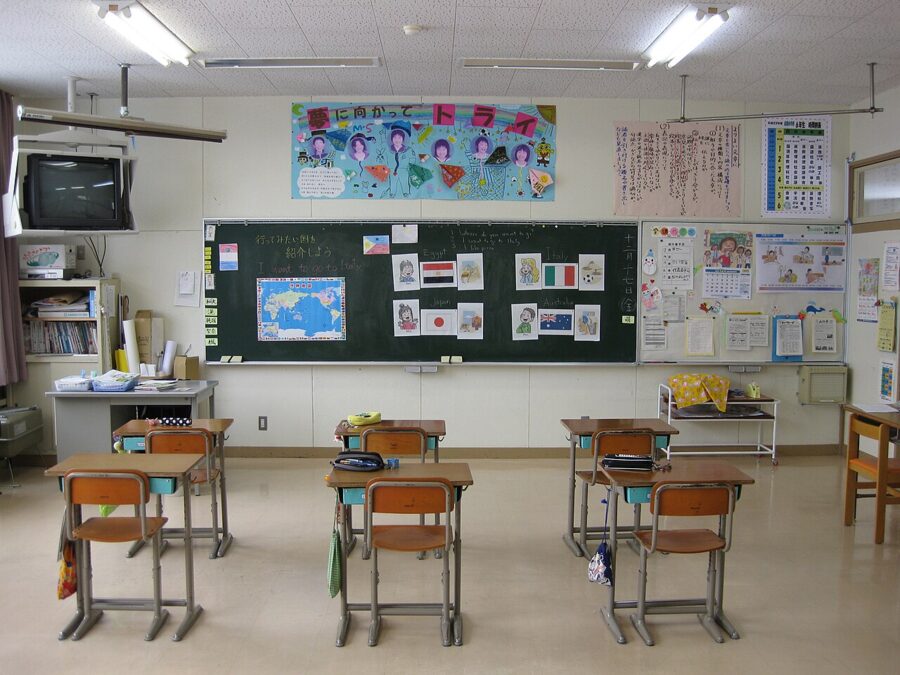
先生 (sensei) means “born before”, and it goes to people you learn from or rely on for expert help: teachers, doctors, dentists, lawyers, Diet members, novelists and manga artists. Use it after the family name, 鈴木先生 (Suzuki-sensei), or alone, 先生、質問があります (sensei, shitsumon ga arimasu), “I have a question” (polite).
先生 is already a title, so don’t stack さん on top of it; the 1952 council said the same of 社長 and 課長. At English conversation schools in Japan teachers often become first name plus sensei, ジョン先生 (Jon-sensei), and that is fine. A Japanese schoolteacher will say 先生はね (sensei wa ne) about herself to a class of seven-year-olds. To adults, though, people say 教師です (kyōshi desu), “I’m a teacher” (polite), rather than calling themselves sensei.

博士 is a doctorate. Read はくし (hakushi) it is the formal degree title, and read はかせ (hakase) it is the everyday, slightly old-fashioned word for a learned person. Children’s fiction is full of them: Professor Oak in Pokémon is オーキド博士 (Ōkido-hakase), and Astro Boy’s guardian is お茶の水博士 (Ochanomizu-hakase). A real professor at a real university is 先生.
殿 (-dono), 氏 (-shi) and the written register
殿 first meant a grand house, then the person who lived in it. In the Heian court it went on the very highest titles, but dictionaries trace how, from the late Kamakura period, people started using it on anyone, and its prestige fell while 様 took over. Today you see -dono mostly on paper: certificates, official notices, and in-house memos from a manager to staff.
Because it now feels slightly top-down, the 1952 council already hoped official writing would switch from 殿 to 様, and many town halls and companies have since done so in letters to the public. In samurai dramas and anime it lives on in speech: Kenshin in Rurouni Kenshin calls the dojo owner 薫殿 (Kaoru-dono), and lords are addressed simply as 殿 (tono), “my lord”.

氏 (-shi) is the written suffix for a named person, mostly in news reports, academic papers and formal introductions: 佐藤氏 (Satō-shi). Read it, write it in reports, but in conversation switch back to さん.
No suffix at all: 呼び捨て (yobisute)
Dropping the suffix has a name, 呼び捨て (yobisute), roughly “calling someone and throwing the name down”. It signals one of three things: closeness, rank or rudeness. Family members, couples, close friends and teammates use bare names; coaches, older siblings and some bosses use them downward; and a stranger doing it to you is picking a fight.
Historical figures go bare too: 織田信長 (Oda Nobunaga), never Nobunaga-san. On TV, athletes get 選手 (senshu), so the baseball player is 大谷選手 (Ōtani-senshu). Some old forms of address have fallen so far they are now insults: 貴様 (kisama) once meant “honored sir” and is now a snarl, one of several you will find among Japanese swear words and insults.
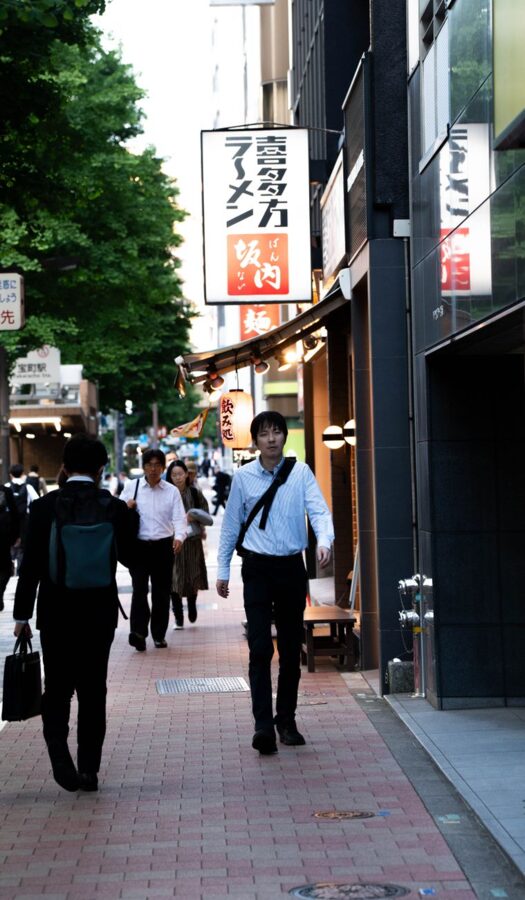
Japanese friends often drop the suffix with a foreigner’s first name because it feels natural to you. Follow their lead, and when in doubt just ask: 何て呼べばいい? (nan te yobeba ii?), “What should I call you?” (casual), or 何とお呼びすればよろしいですか (nan to o-yobi sureba yoroshii desu ka) (formal).
At work: titles instead of suffixes
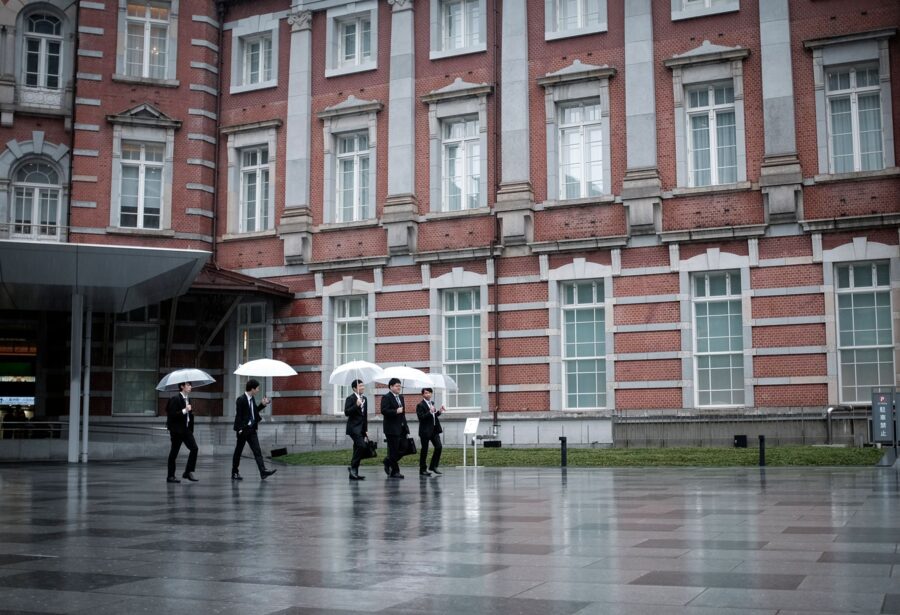
In a Japanese office a job title often replaces the suffix. 田中部長 (Tanaka-buchō) is Tanaka the department manager, and you can say 部長 (buchō) on its own the way English speakers say “Doctor”. The common ones are 社長 (shachō, company president), 部長 (buchō, department head), 課長 (kachō, section chief) and 店長 (tenchō, store manager).
| Japanese | Romaji | English |
|---|---|---|
| 部長、資料ができました。 | buchō, shiryō ga dekimashita. | The documents are ready, sir. (polite, to your manager) |
| 山本課長はいらっしゃいますか。 | Yamamoto-kachō wa irasshaimasu ka. | Is section chief Yamamoto in? (formal) |
| 部長の田中が伺います。 | buchō no Tanaka ga ukagaimasu. | Tanaka, our department head, will come to see you. (formal, to a client) |
The title counts as the honorific, so 先生さん sounds odd and 社長様 sounds padded in speech; the 1952 council said there was no need to add さん to titles like these. The third line shows the uchi-soto rule at work: to an outside client, your own boss goes title first, then a bare name.
Customers sit at the top of this map as お客様, a word that got its own catchphrase. The singer Minami Haruo made お客様は神様です (okyakusama wa kamisama desu), “the customer is a god”, famous on stage, and later explained he meant his audience, not shoppers demanding refunds. It is a good story to know if you like enka, and shop staff quote it with a sigh.
Email, letters and envelopes
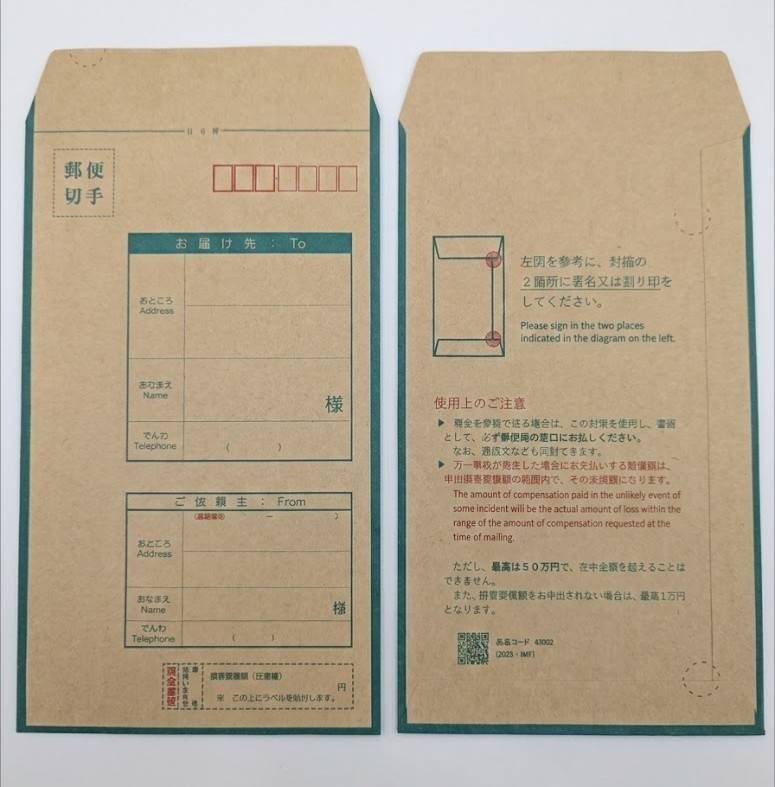
On paper the rules are tighter. A named person gets 様: 株式会社〇〇 営業部 田中一郎様, “Tanaka Ichirō, Sales Department, 〇〇 Co.” A company or department with no person named gets 御中 (onchū): 株式会社〇〇 営業部御中. Never use both at once.
A group gets 各位 (kakui), as in 関係者各位 (kankeisha kakui), “to all concerned”, or 保護者各位 (hogosha kakui), “to all parents”.
Wedding and reunion invitations come with a reply postcard addressed back to the sender, with 行 (yuki) or 宛 (ate), “to”, after their name instead of 様. Polite custom is to cross that out with two neat lines and write 様 beside it. On the side you fill in, you also strike out the ご in ご出席 (go-shusseki, “your attendance”) and the 御芳 in 御芳名 (go-hōmei, “your honorable name”), since you can’t honor yourself.
In Japanese email, open with the name and 様 on its own line. In English email to Japanese colleagues, “Tanaka-san” is common and reads as friendly and correct.
Mistakes learners make, and what anime gets wrong
The same slips turn up in every class of beginners. Most are easy to fix once you have seen them.
- Putting さん on yourself. 私はジョンさんです sounds like you are bowing to yourself. Say ジョンです.
- Stacking titles. 先生さん in speech, or 田中部長様 on an envelope; write 営業部長 田中様 instead. The title is the honorific.
- Bringing your own side’s honorifics outside. To a client, your boss is 部長の田中, and to a friend, your mother is 母.
- ちゃん too soon. On an adult you have just met, or on anyone senior, it sounds like you are talking to a toddler.
- くん upward. Never to a teacher, a boss or an older stranger.
- Long vowels. おばあさん (obāsan) is a grandmother or an elderly woman; おばさん (obasan) is an aunt or a middle-aged woman. Same with おじいさん (ojīsan) and おじさん (ojisan). Get the length wrong and you have aged someone thirty years.
- Bare names with Japanese acquaintances. English uses first names freely; in Japanese a bare name is intimate. Wait to be asked.
Anime is a good ear-trainer for suffixes and a poor etiquette guide. It gets the basics right: girls calling friends ちゃん, teachers calling boys くん, juniors calling out 先輩!, servants saying お嬢様 (ojōsama, “young miss”).
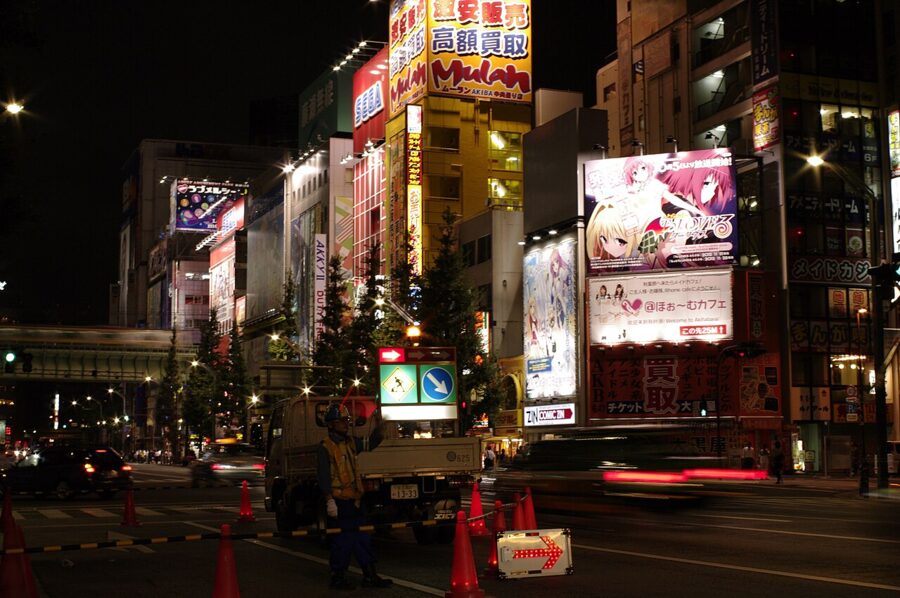

Where it goes wrong is in volume. Characters call themselves 俺様 for comic arrogance, samurai speak in -dono to everyone, and a schoolgirl says “Senpai!” in a tone nobody uses at a real school.
Subtitles add their own confusion by sometimes keeping the suffixes, sometimes swapping in “Mr.” and sometimes dropping them. Listen for the patterns, then check them against how people actually talk to you.
Suffixes are the easy door into keigo, the honorific system. The verb forms behind the door are a bigger Japanese grammar topic, and the Japanese culture guide covers the bowing and gift-giving that travel with them.
Practice set
Choose the suffix, or none, for each situation. Answers are under each question.
1. You introduce yourself at a language exchange: “I’m Emma.” 私はエマ( )です。
Answer
Nothing: 私はエマです (watashi wa Ema desu). Never a suffix on your own name.
2. You ask a coworker you met last week, Mr. Kobayashi, whether he is free for lunch. 小林( )、お昼一緒にどうですか。
Answer
さん: 小林さん (Kobayashi-san). Family name plus さん is the adult default (polite).
3. A friend’s four-year-old daughter is called Hina. ひな( )、こんにちは!
Answer
ちゃん: ひなちゃん (Hina-chan). Small child, first name, ちゃん (casual).
4. A client phones and asks for your manager, Department Head Sato. You say he will call back. 部長の佐藤( )から折り返しご連絡いたします。
Answer
Nothing: 部長の佐藤から (buchō no Satō kara). To an outsider, your own boss gets no suffix (formal).
5. You address an envelope to Ms. Yamada Keiko at her home. 山田恵子( )
Answer
様: 山田恵子様 (Yamada Keiko-sama). Letters and envelopes take 様.
6. You send an application to the personnel department of a company, with no named person. 株式会社ABC 人事部( )
Answer
御中: 人事部御中 (jinjibu onchū). An organization with no named person takes 御中.
7. You are a first-year in the school tennis club and need to ask a third-year, Mori, about practice. 森( )、明日の練習は何時からですか。
Answer
先輩: 森先輩 (Mori-senpai). Someone ahead of you in the same club (polite).
8. Your Japanese teacher, Ms. Ito, walks in. 伊藤( )、おはようございます。
Answer
先生: 伊藤先生 (Itō-sensei), with no さん after it (polite).
Sazae-san’s little brother Katsuo calls her 姉さん (nēsan), family-word style, while the rest of the country still says Sazae-san. Tonight, write down five people you know and the ending each would get in Japanese. By the fifth name you will hear the difference before you think about it.