
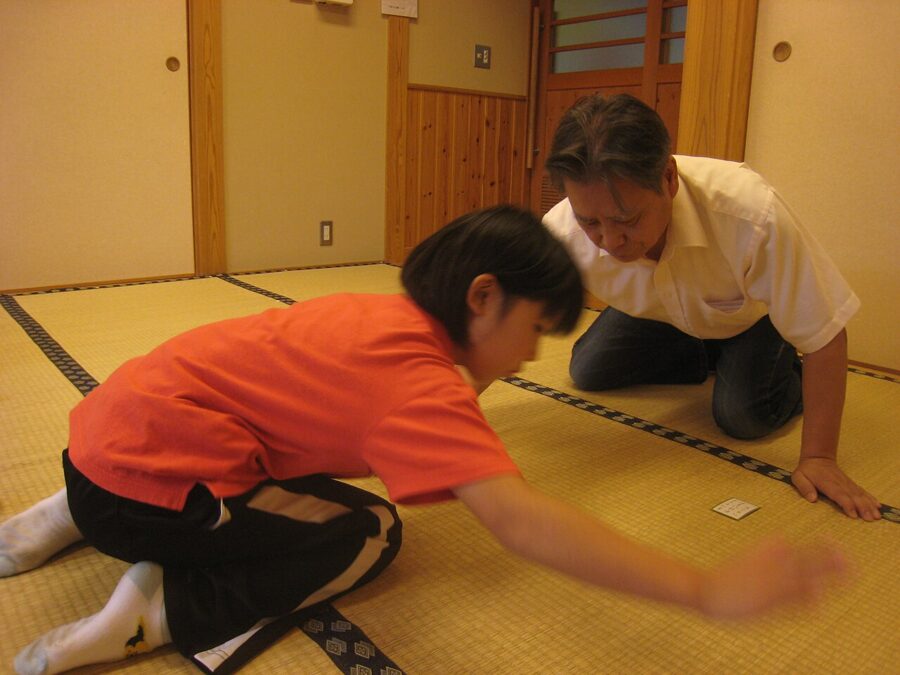
Seven of the hundred poems in a karuta deck can be named from their first syllable. When the reader at a top-level match opens her mouth on む (mu), the player who knows that only one poem starts that way is already sweeping the card off the tatami. That is the far end of a family of games Japanese children still meet every January, and most of them need nothing more than paper, a paddle, a string or a die.
Japanese calls them 正月遊び (shōgatsu asobi), New Year play, and the list hardly changes: karuta and the Hyakunin Isshu poem cards, hanetsuki, fukuwarai, kite flying, spinning tops and sugoroku. The rest of the holiday is in my guide to Japanese culture; this one stays with the games, how each is played and the words that come with them. Dates and prices are as of November 2026.

目次 Contents
Why New Year has its own games
The first three days of January, 三が日 (sanganichi), are the one stretch of the year when the whole family is home with little to do but eat and play. Many of the games carry a wish. The shuttlecock in hanetsuki knocks away illness, a kite flown high was a wish for a boy’s health, and a top that spins long means a year that goes round smoothly. Fukuwarai rests on a proverb worth learning: 笑う門には福来る (warau kado ni wa fuku kitaru), “fortune comes to the gate of those who laugh.”
Haiku poets file karuta, hanetsuki, fukuwarai, sugoroku and koma under New Year as season words. Kite flying is the odd one out: in haiku, 凧揚げ (tako-age) belongs to spring, even though January is when children actually do it.
| Game | Reading | Where | What you need |
|---|---|---|---|
| かるた / 百人一首 | karuta / hyakunin isshu | Indoors | A card set and a reader |
| 羽根つき | hanetsuki | Outdoors | Two paddles, a shuttlecock, ink |
| 福笑い | fukuwarai | Indoors | A face, paper features, a blindfold |
| 凧揚げ | tako-age | Outdoors | A kite and open ground |
| こま回し | koma-mawashi | Either | A top and a cord |
| すごろく | sugoroku | Indoors | A printed board and a die |
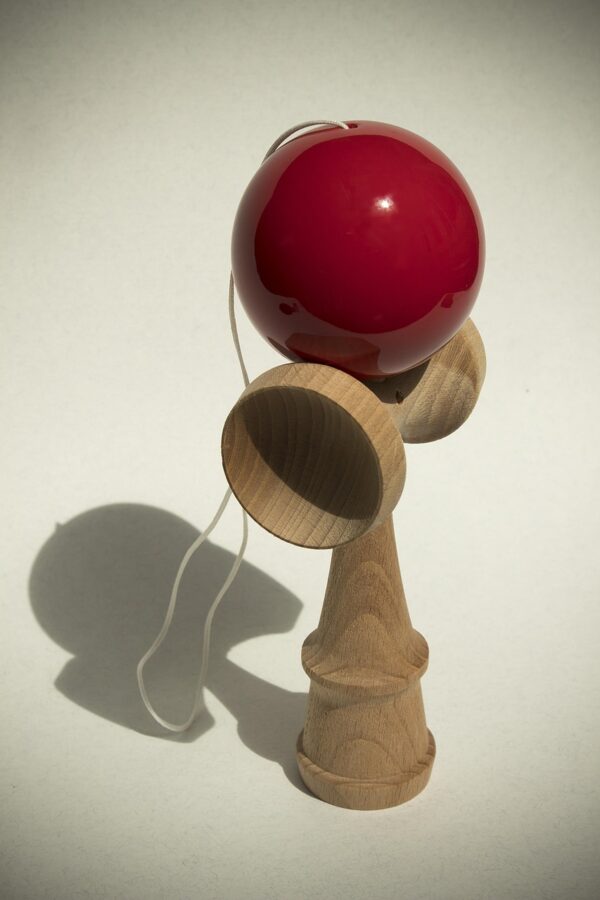
Japanese lists often add けん玉 (kendama), the cup-and-ball toy, played all year but sold in the same December displays.
Karuta and the Hyakunin Isshu
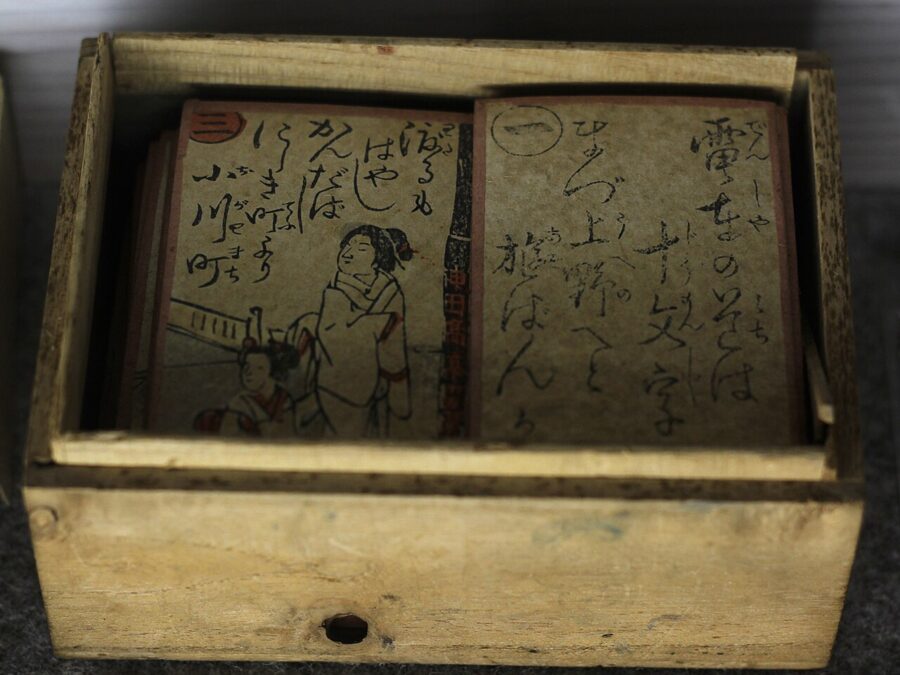
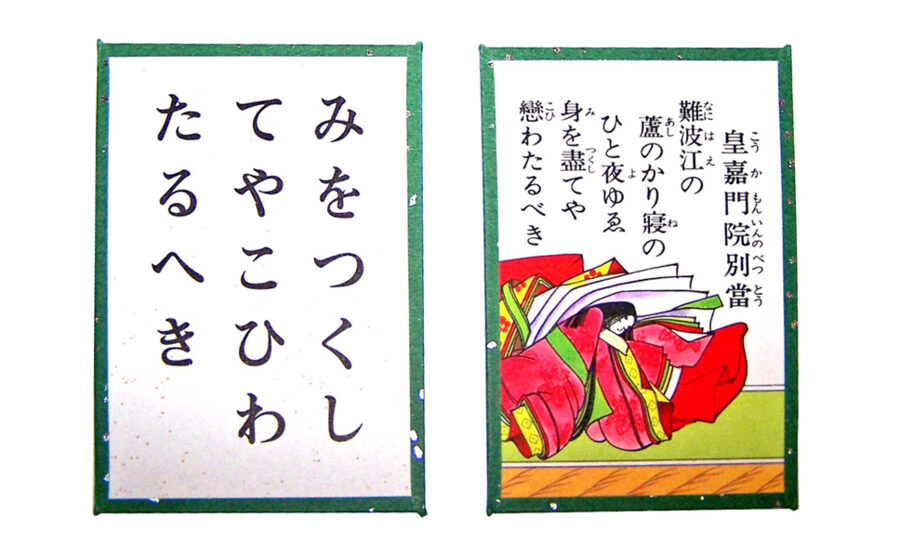
Karuta came into Japanese from Portuguese carta in the sixteenth century, so you will see it as カルタ in katakana as well as かるた. Every karuta game works the same way. One person reads a 読み札 (yomifuda), a reading card, and everyone else races to touch the matching 取り札 (torifuda), the grabbing card, laid out on the floor.
Iroha karuta: the children’s deck
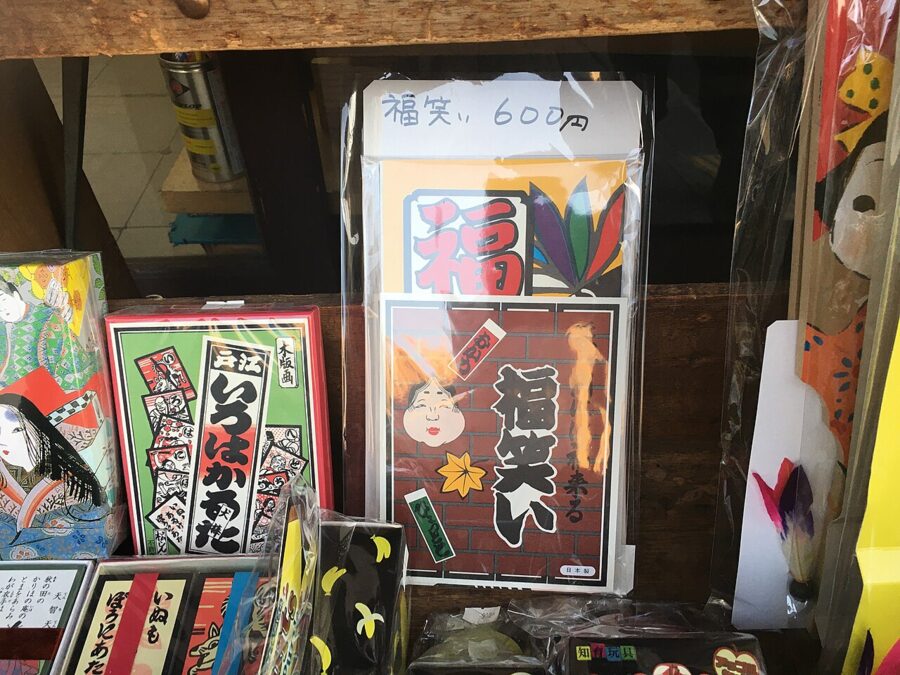
Children start with いろはかるた (iroha karuta): one card per kana of the old いろは (iroha) syllabary, a proverb on the reading card and a picture with the proverb’s first kana on the grabbing card. The Edo set opens with 犬も歩けば棒に当たる (inu mo arukeba bō ni ataru), “a dog that goes for a walk runs into a stick”: go out and things will happen to you. For a learner this is hiragana recognition under time pressure, and a beginner can lose to a seven-year-old respectably.

The hundred poems
百人一首 (hyakunin isshu) means “one poem each by a hundred poets.” The famous set, the 小倉百人一首 (Ogura Hyakunin Isshu), was chosen by Fujiwara no Teika in the early thirteenth century at the foot of Mount Ogura, west of Kyoto. Each waka has 5-7-5-7-7 syllables: the first three lines are the 上の句 (kami no ku), the upper verse, and the last two the 下の句 (shimo no ku), the lower verse.
That split is the game. The reader reads the upper verse from a card with the poet’s portrait; the grabbing cards show only the lower verse, all in hiragana. Hearing the start, you look for the end.

How a family game runs
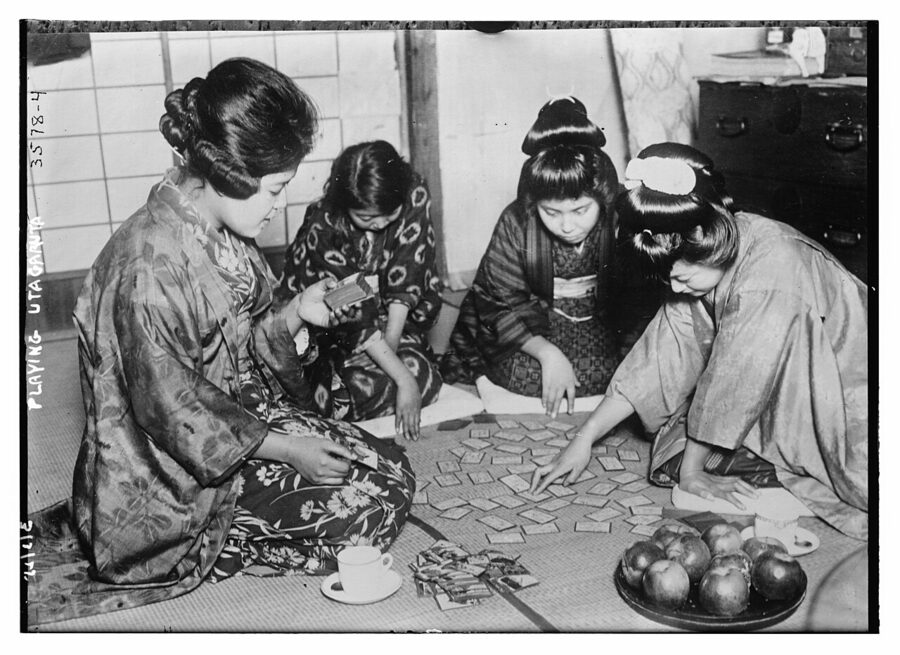
At home the usual game is 散らし取り (chirashi-dori), “scattered taking”: all hundred grabbing cards face up on the floor, one reader, everyone grabbing, and the most cards wins. Grandparents who learned the poems at school usually win.
If nobody knows the poems, play 坊主めくり (bōzu mekuri), “flipping monks,” with the reading cards alone. Take turns turning one over: an ordinary poet goes into your pile, a 坊主 (bōzu), a monk, sends your pile into the middle, and a 姫 (hime), a court lady, wins you the middle. House rules vary, and arguing over them is part of the fun.
Competitive karuta
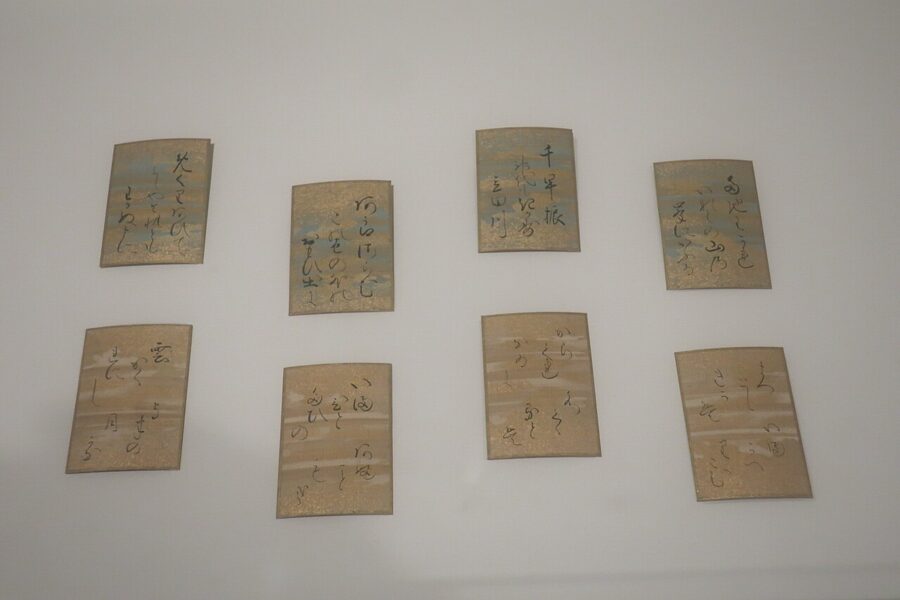
競技かるた (kyōgi karuta) is a one-on-one sport, and the All-Japan Karuta Association’s rules are short. Each player draws 25 grabbing cards and lays them in three rows on their own side, within 87 centimeters. The other 50 are 空札 (karafuda), dead cards that still get read. After 15 minutes to memorize the layout, the reader opens with a poem outside the set, 難波津に咲くやこの花 (naniwazu ni saku ya kono hana), and play starts.
Take a card from your opponent’s side and you send one of yours across; the first player to empty their own side wins. Touch a card on the wrong side, or any card when a dead card is read, and that is お手つき (otetsuki), a fault that gets you a card sent over as a penalty.
The key word is 決まり字 (kimariji), the “deciding sounds” after which only one poem fits. Seven poems are decided by their first syllable, learned as one nonsense word: むすめふさほせ (musume fusahose). Six need six sounds, because they come in pairs that share their first five, and players call them 大山札 (ōyamafuda). Many readers know the sport from Yuki Suetsugu’s manga Chihayafuru, named after the first word of poem 17.
Omi Jingu and the title matches
Poem 1 is by Emperor Tenji, and Omi Jingu in Otsu, on Lake Biwa, is his shrine, so the sport’s top event lives there. The 名人位・クイーン位決定戦 (Meijin-i, Kuīn-i kettei-sen), the matches for the men’s Meijin and women’s Queen titles, are held in the shrine’s Omi Kangakukan hall every January: champion against challenger, best of five.
The latest round was on Sunday, January 11, 2026. Hall seats cost ¥3,000 (about $20) per match and seats in a separate viewing room ¥1,000 (about $7), with tickets sold online from December 1, 2025, and the matches streamed live on YouTube. The January 2027 date was not posted when I checked in November 2026.
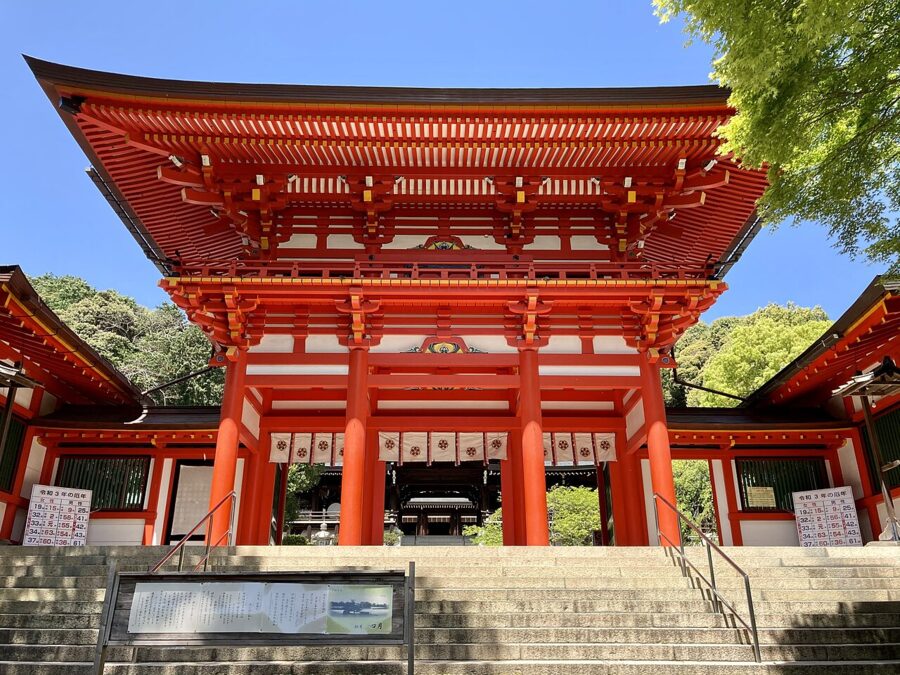

The shrine’s かるた祭 (karuta-sai) followed on January 12, 2026 at 9 a.m.: a reader recites Tenji’s poem before the altar, four 取姫 (torihime), card maidens in court dress, play a ceremonial round, and a national tournament begins. In July the same hall hosts the high school championship that Chihayafuru readers will picture.
Hanetsuki and the hagoita
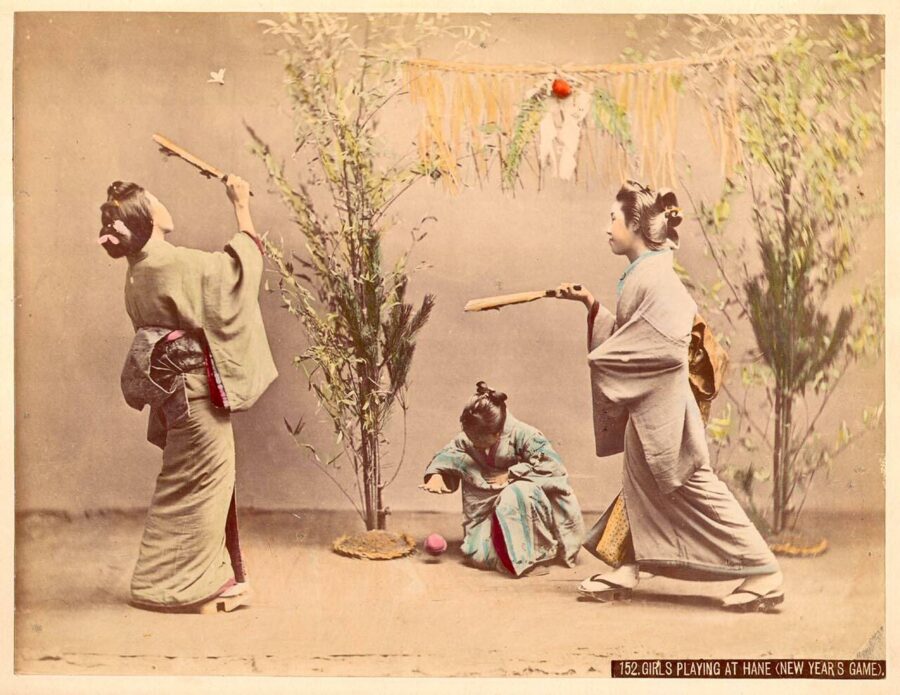
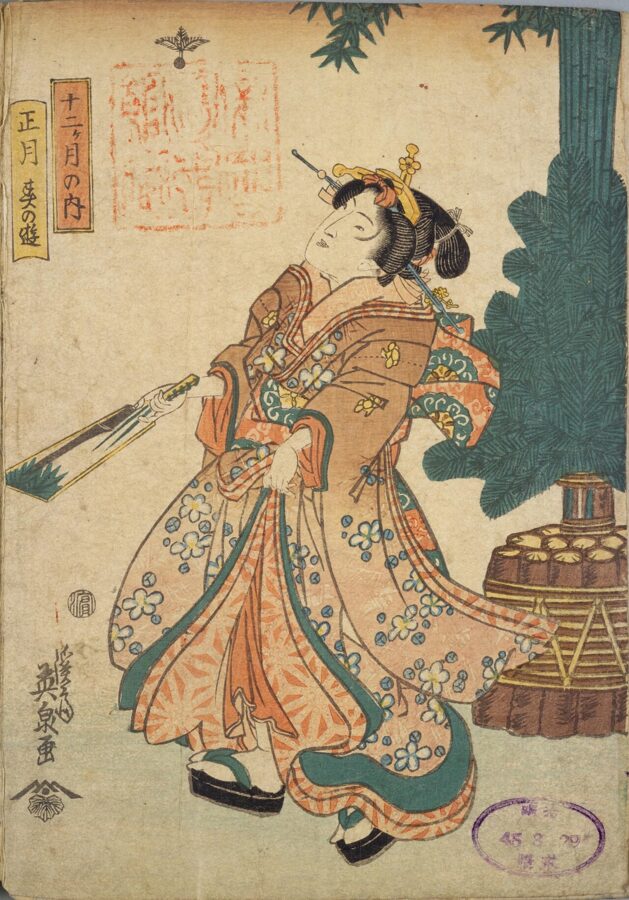
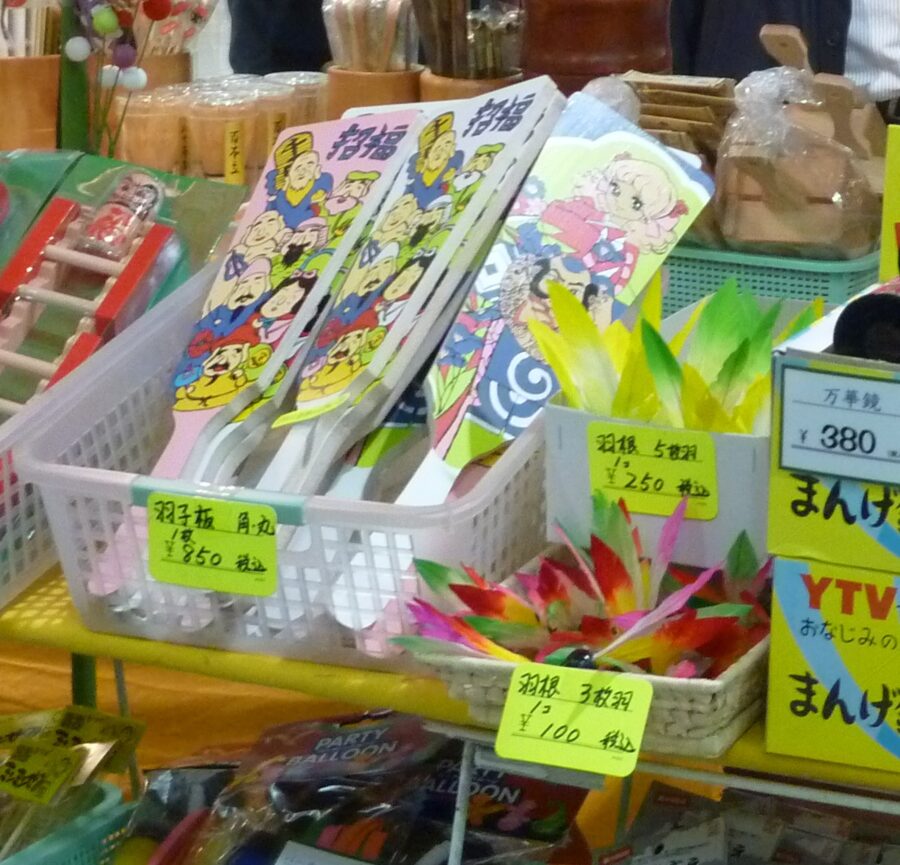
羽根つき (hanetsuki) gets called Japanese badminton. The paddle is a 羽子板 (hagoita), a flat wooden board, and the shuttlecock, 羽根 (hane), is a hard black seed with feathers in it. The seed comes from the mukuroji tree, written 無患子, “child without illness,” and Sensoji temple adds that the shuttlecock looks like a dragonfly, which eats the bad insects that bring sickness.
In 追い羽根 (oibane), two players knock it back and forth, and whoever drops it gets a mark painted on their face in 墨 (sumi), calligraphy ink. In 突き羽根 (tsukibane), you keep it up alone and count the hits aloud. A court diary already records nobles playing oibane for bets in 1432.

The Hagoita-ichi at Sensoji
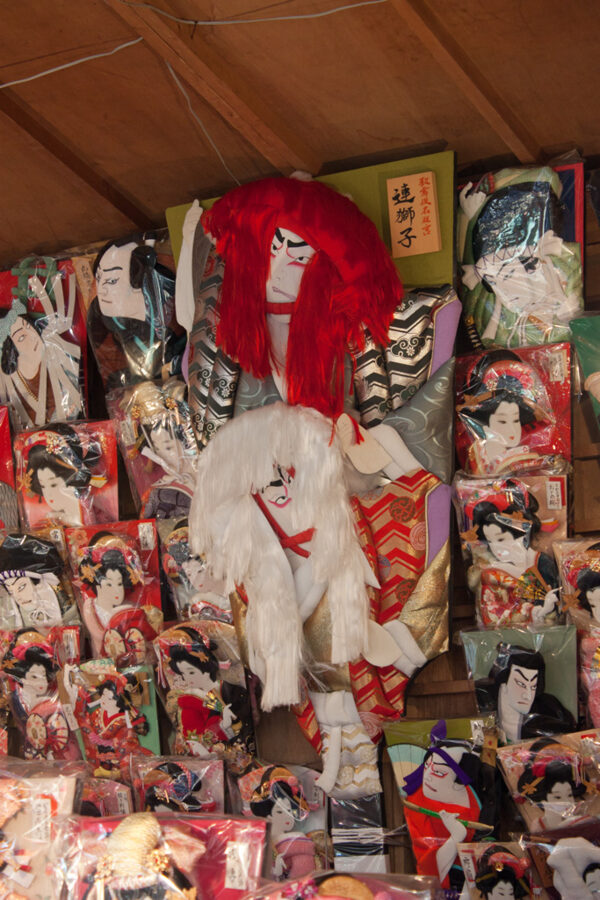
Over time the paddle split in two: plain boards for play, and 押絵羽子板 (oshie hagoita), padded silk portraits of kabuki actors raised on the board, for display. A family gives one to a baby girl for her first New Year as a charm for her health.
See them at the 羽子板市 (Hagoita-ichi) at Sensoji in Asakusa, Tokyo, every December 17 to 19. It began as Edo’s biggest year-end market for New Year goods, and from the late Edo period the paddle sellers gradually took it over. Today a few dozen stalls fill the grounds, and when a sale is made, seller and buyer clap the 三本締め (sanbon-jime), a rhythmic three-part hand clap.
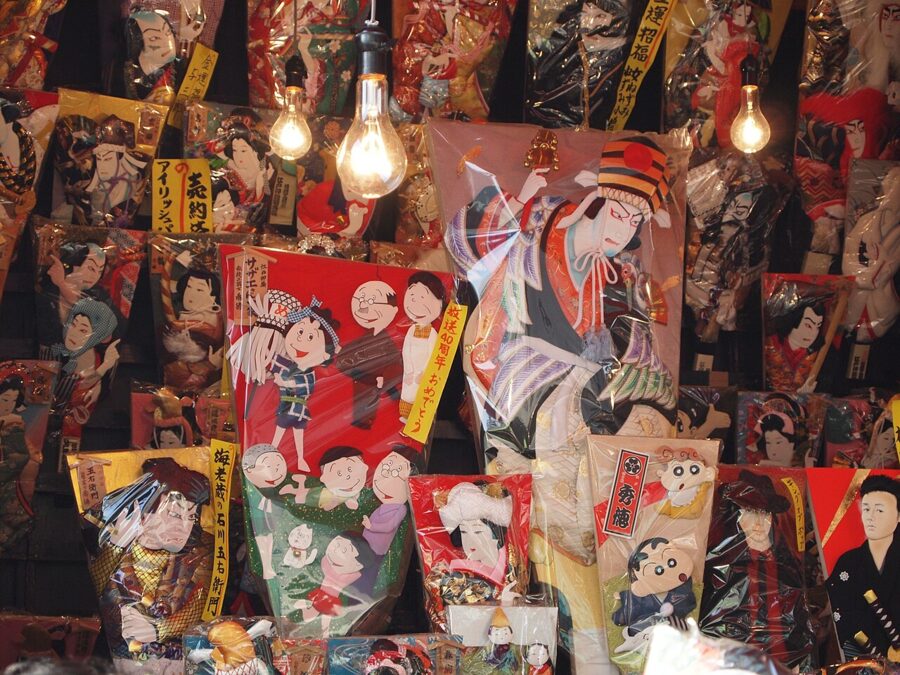

In 2026 the fair runs Thursday to Saturday. Sensoji publishes no stall hours, so go in the late afternoon and stay until the bulbs come on; December 18, the temple’s last Kannon day of the year, is the busiest. My guide to Japanese theater explains who the actors on the boards are.

Fukuwarai: the blindfold face
福笑い (fukuwarai) is “lucky laughter.” You get the outline of a round face, usually おかめ (okame), the plump, smiling woman of folk art, plus paper eyebrows, eyes, nose and mouth. Wearing a 目隠し (mekakushi), a blindfold, you place the pieces, then take it off and everyone laughs at the result. Dictionaries date it to the mid-Edo period, and it stayed a standard New Year game until the Second World War.
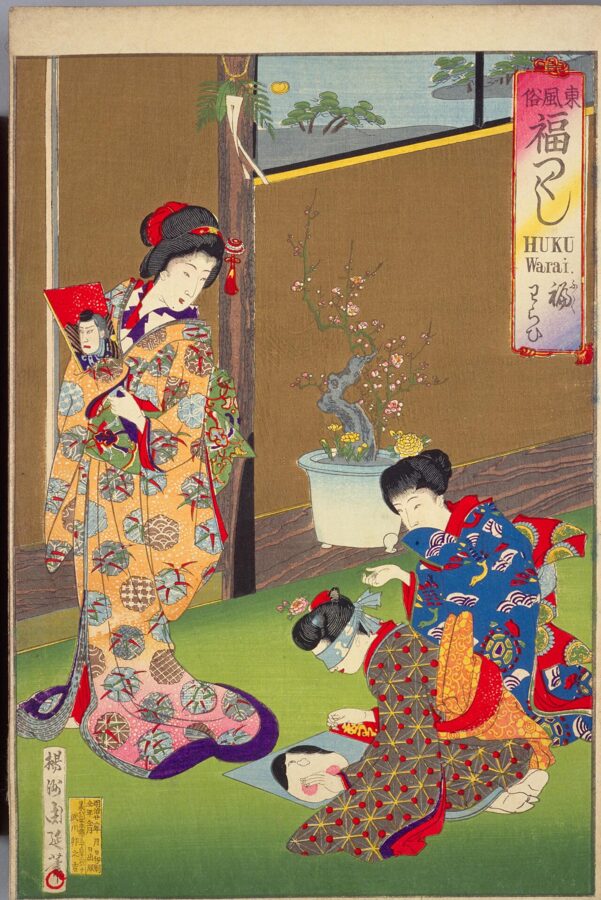
I like it for learners because the blindfolded player can be steered by voice, which turns it into a directions drill:
| Japanese | Romaji | Meaning | Level |
|---|---|---|---|
| 右 / 左 | migi / hidari | Right / left | any |
| 上 / 下 | ue / shita | Up / down | any |
| もうちょっと右 | mō chotto migi | A bit more to the right | casual |
| そこ! | soko! | There! | casual |
| もう少し上にしてください | mō sukoshi ue ni shite kudasai | Please move it up a little | polite |

Tako-age: kites
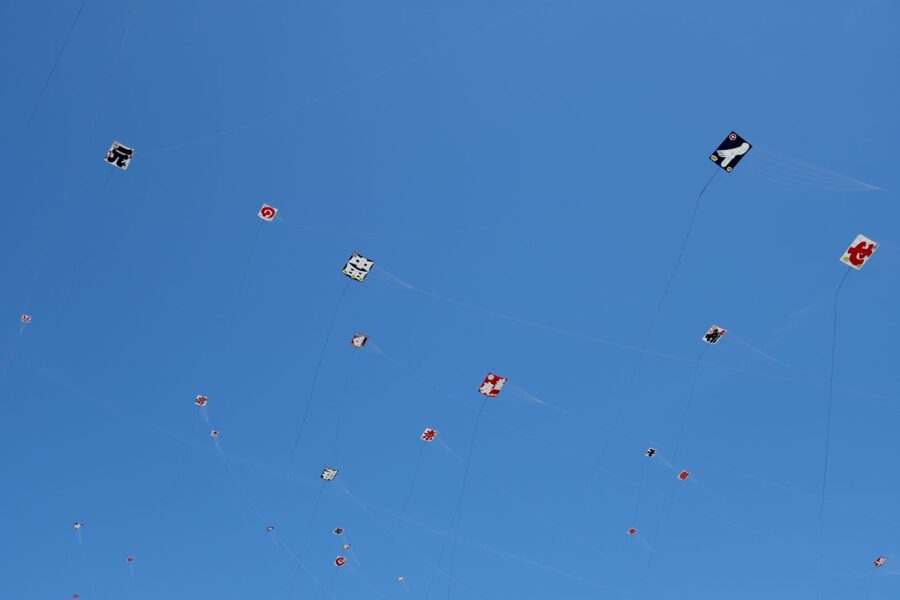
The kanji 凧 (tako) was made in Japan; the usual explanation is a shortened 風 (kaze, wind) around 巾 (cloth). Kite flying is 凧揚げ (tako-age), from 揚げる (ageru), to raise into the air. Some regions said いか (ika), squid, and the story goes that when the shogunate banned ika flying in Edo, people kept flying them and called them tako, octopus.
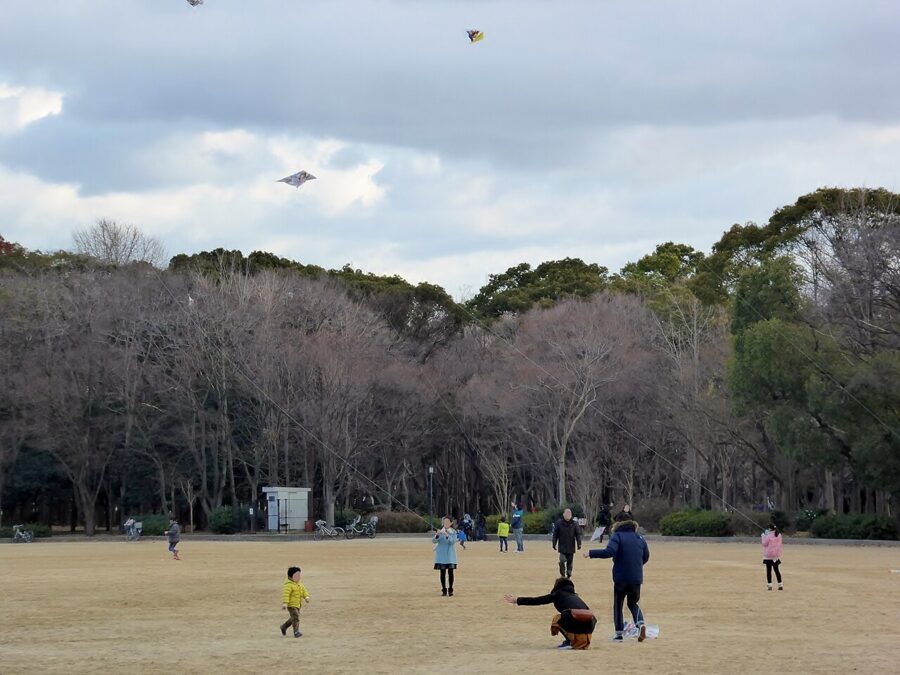
Kites came from China and served for divining harvests and, in the civil war era, for signaling. Edo townspeople made them a toy and flew them to celebrate a son’s birth. Overhead electric wires pushed them out of city streets from the Meiji era, so New Year kites now go up on riverbanks, fields and big park lawns.
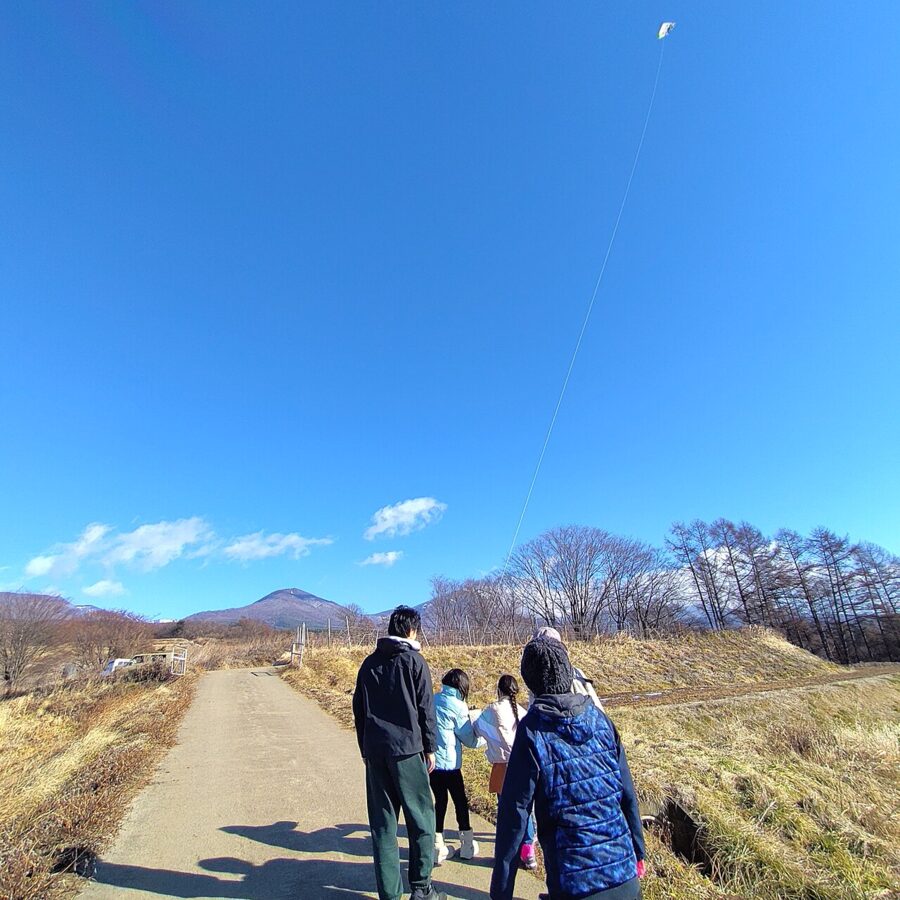

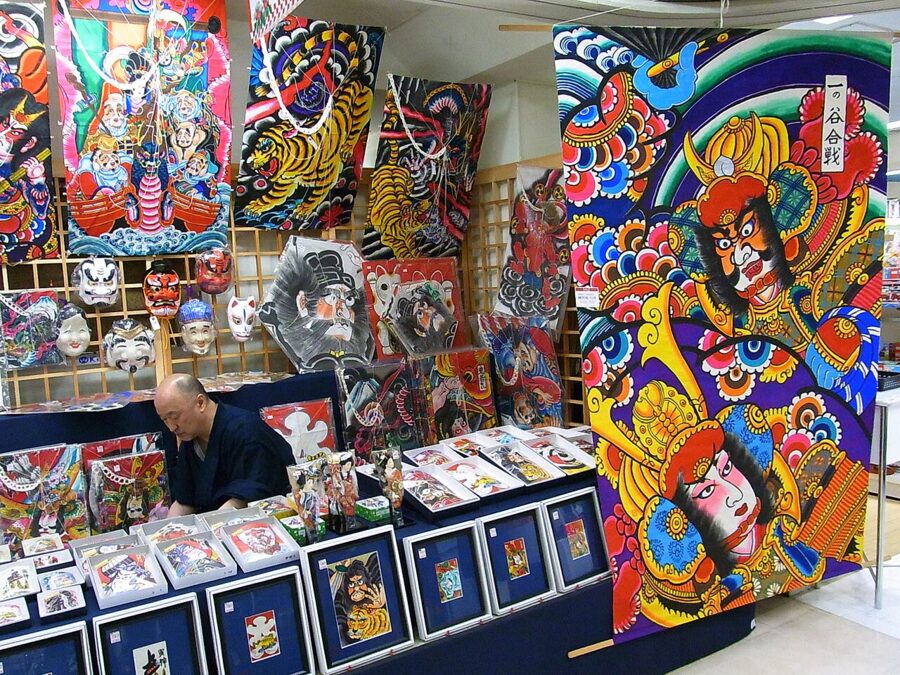
Traditional 和凧 (wadako) are bamboo and washi paper, hand-painted. The square 角凧 (kakudako) often carries a warrior’s face, and the 奴凧 (yakkodako) is shaped like a samurai’s footman with his arms spread. In a city park, look first for a sign reading 凧揚げ禁止 (tako-age kinshi), “no kite flying.”

Koma: spinning tops
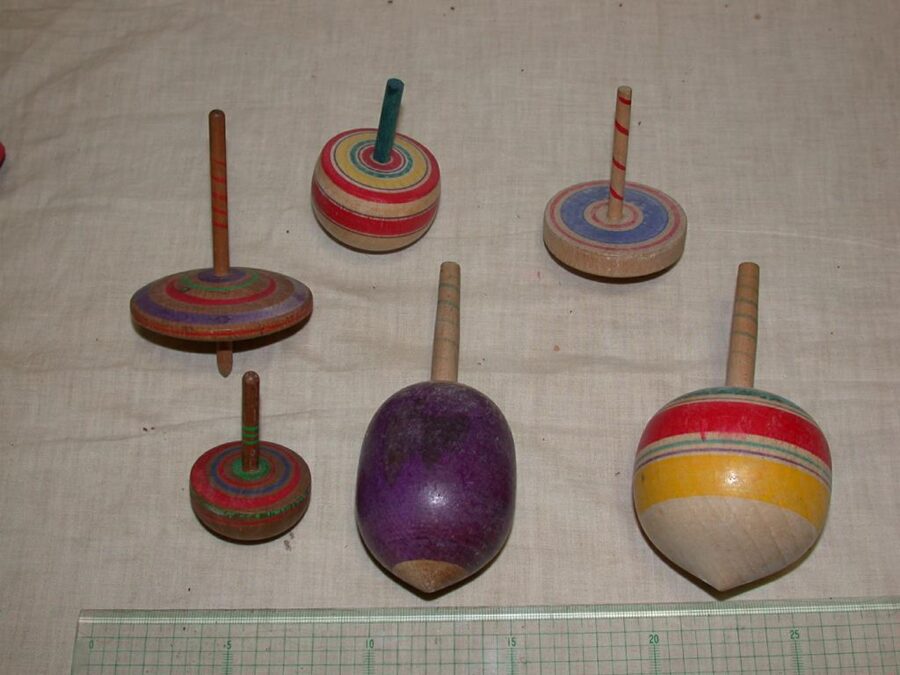
The kanji for a top, 独楽, read koma, is a small joke: “alone” plus “fun.” Read the same characters どくらく (dokuraku) and they mean enjoying yourself on your own. A tenth-century dictionary already names the toy, and a top that spins smoothly stands for a year that goes round smoothly.
It is also the best way to learn a verb pair that trips learners for months. You spin the top: こまを回す (koma o mawasu), with を and the transitive verb. The top spins: こまが回る (koma ga mawaru), with が and the intransitive one.

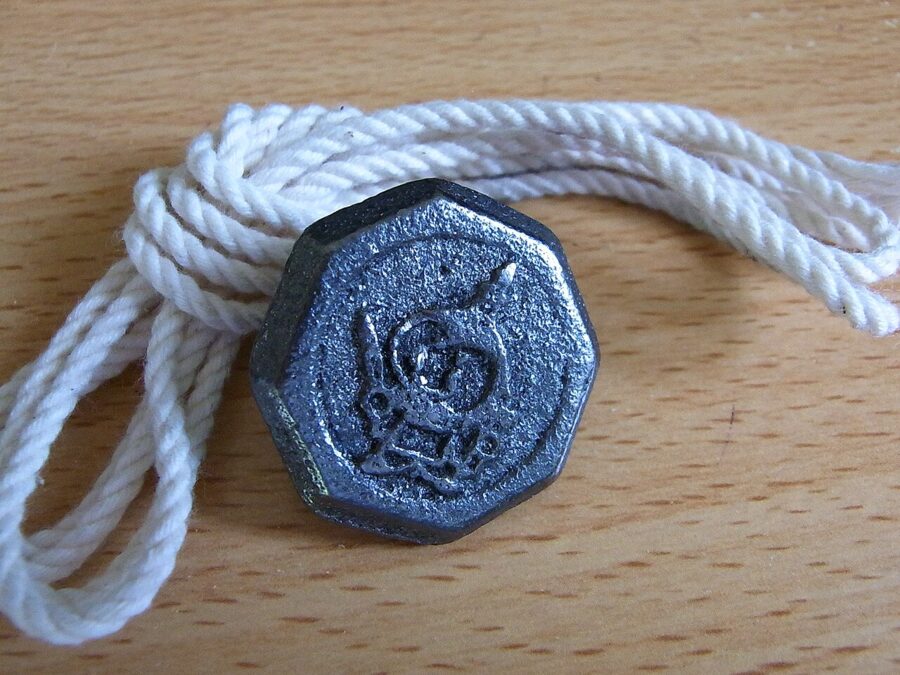
The toughest Japanese top is the ベーゴマ (bēgoma), a squat cast-iron disc about the size of a big coin, named after ばいごま (baigoma), the first versions made from sand-filled bai sea snail shells. Players wind a cord, throw their tops onto a stretched canvas, and the one knocked off or stopped first loses.

Sugoroku: roll the die
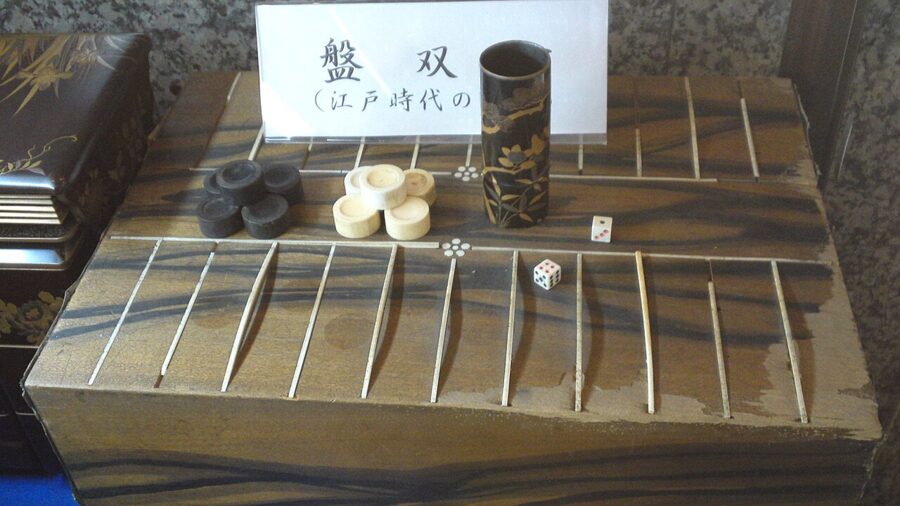
双六 (sugoroku) names two games. The old one, 盤双六 (ban-sugoroku), is a two-player game close to backgammon that came from China in the Nara period, and it was such a gambling game that the Nihon Shoki chronicle records a ban on it in 689.

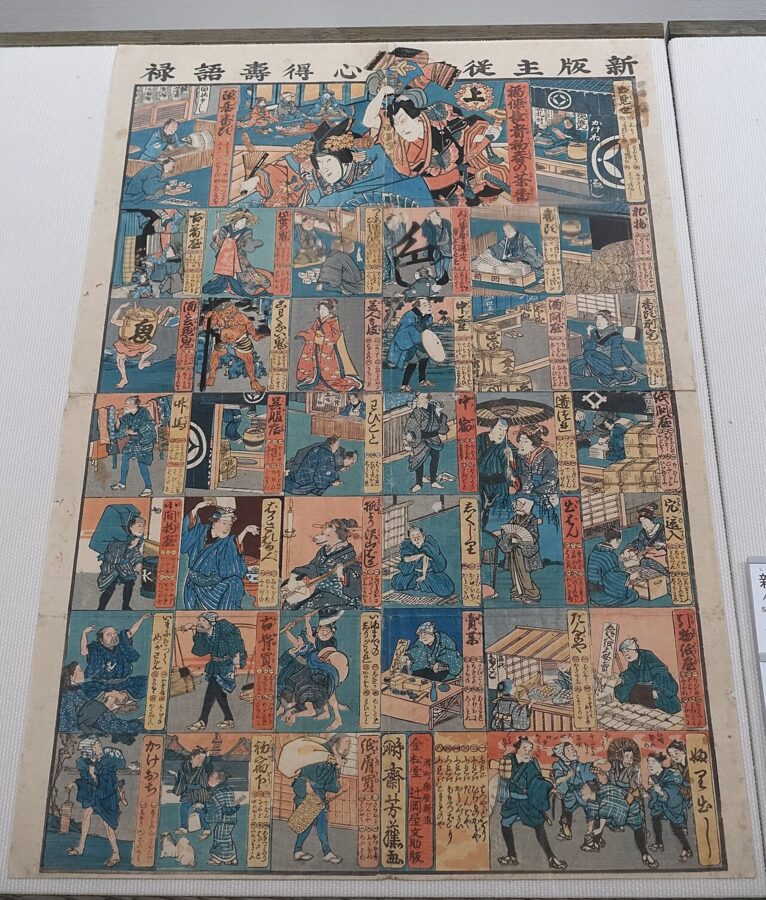
The New Year game is 絵双六 (e-sugoroku): a printed sheet of squares, one die, and a race from 振り出し (furidashi), the start, to 上がり (agari), the finish. Edo printers made hundreds, from 道中双六 (dōchū sugoroku) along the Tōkaidō road to 出世双六 (shusse sugoroku) up a career ladder. It left an idiom you will hear at work: 振り出しに戻る (furidashi ni modoru), back to square one.
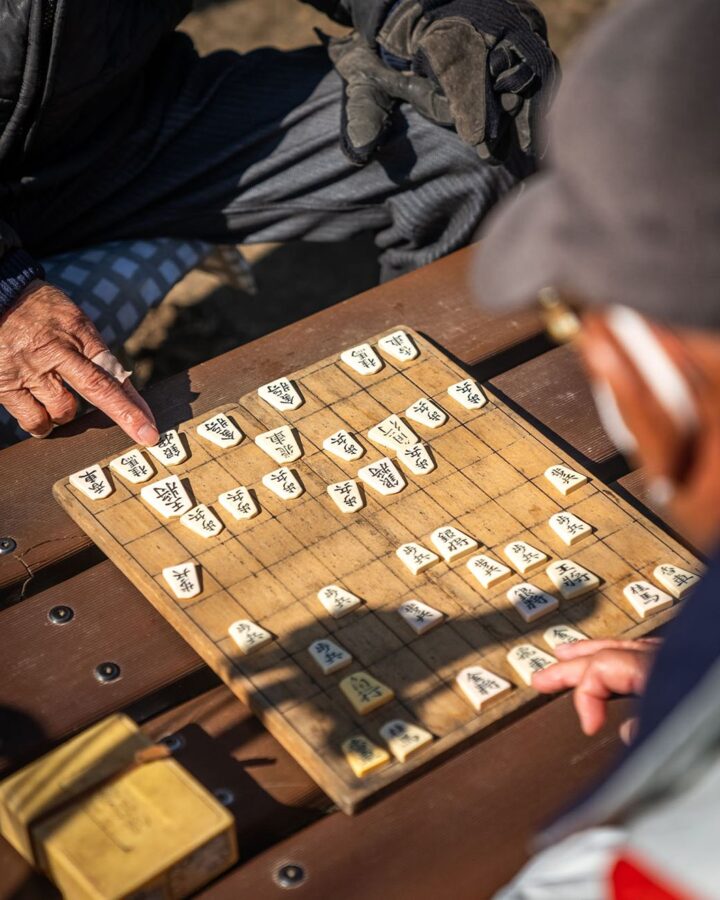
Asked which board games are traditionally Japanese, the answer is three: 囲碁 (igo), the stone game go, 将棋 (shōgi), Japanese chess, and sugoroku. Only sugoroku belongs to New Year.
The words a learner meets
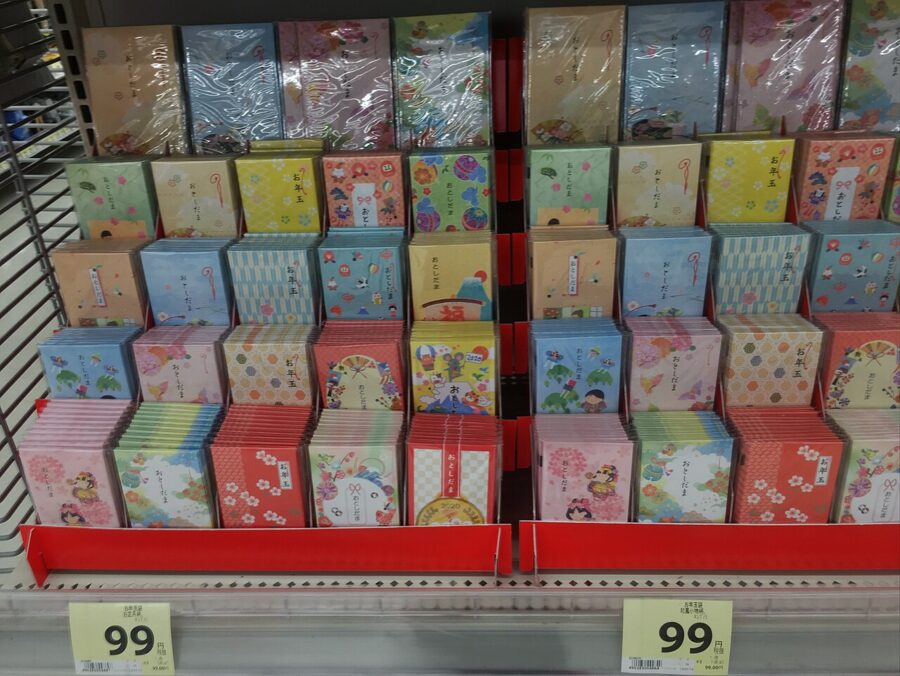
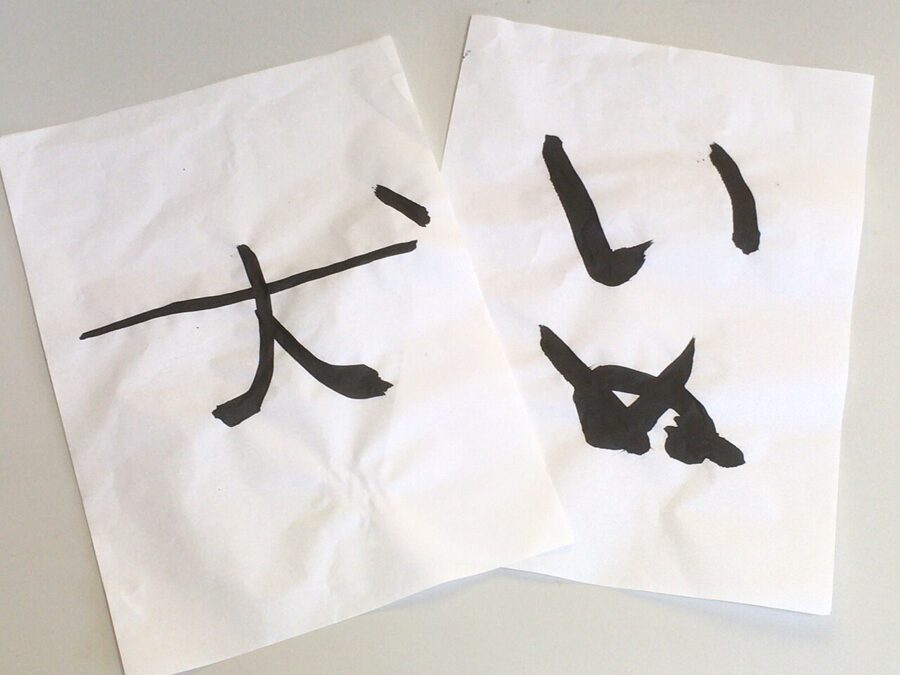
Play with a Japanese family and the same words come at you. Children’s New Year money is お年玉 (otoshidama), which once meant any New Year gift: Edo samurai gave swords, merchants fans and doctors pills. It comes in a small envelope, a ぽち袋 (pochibukuro). The first calligraphy of the year is 書き初め (kakizome), done on January 2, and children once burned theirs in mid-January bonfires, believing the higher the paper flew, the better their handwriting would get.
| Japanese | Romaji | Meaning | Level |
|---|---|---|---|
| お正月 | oshōgatsu | New Year, the holiday | polite |
| お年玉 | otoshidama | New Year money for children | polite |
| 書き初め | kakizome | First calligraphy of the year | any |
| あけましておめでとうございます | akemashite omedetō gozaimasu | Happy New Year | polite |
| あけおめ! | akeome! | Happy New Year! | casual |
| 一緒にかるたをしませんか | issho ni karuta o shimasen ka | Would you like to play karuta? | polite |
| 取った! | totta! | Got it! | casual |


Children have the time because New Year falls in the winter break of the Japanese school year, a week after the very different holiday in food during Japanese Christmas.
Where to see or play them
| What | Where | When |
|---|---|---|
| Hagoita-ichi paddle fair | Sensoji, Asakusa, Tokyo | December 17 to 19 |
| かるた始め式 (karuta hajime-shiki) | Yasaka Shrine, Gion, Kyoto | January 3, 1 p.m. |
| Meijin and Queen title matches | Omi Jingu, Otsu | January; 2027 date not posted |
| Karuta festival | Omi Jingu, Otsu | January; was January 12 in 2026 |
| Hyakunin Isshu exhibition | Saga Arashiyama Museum of Arts and Culture, Kyoto | 10 a.m. to 5 p.m.; closed over New Year |
| Free New Year opening | Edo-Tokyo Museum, Ryogoku, Tokyo | January 2 and 3, 2027 |
At Yasaka Shrine members of the karuta association’s Kinki branch play a dedication match on January 3, the easiest karuta to catch on a New Year trip to Kyoto. In Arashiyama, near Mount Ogura, the Saga Arashiyama Museum of Arts and Culture traces the hundred poems from Teika to competitive karuta in a permanent exhibition scheduled to run until March 2028. Adult entry is ¥1,000, and it closes over New Year and between exhibitions.
The Edo-Tokyo Museum, reopened after its renovation, closes from December 25, 2026 to January 1, 2027, then opens January 2 and 3 with free entry to the permanent galleries on Edo city life. Normal hours are 9:30 a.m. to 5:30 p.m., Saturdays until 7:30 p.m., and it closes on Mondays.
Make your own set to study with
A fukuwarai face. Draw an oval on card, cut out the features and write each word on the back: 眉 (mayu), 目 (me), 鼻 (hana), 口 (kuchi), 耳 (mimi). Blindfolded, say each piece’s name before you place it while a friend steers you with migi, hidari, ue and shita.
A hiragana karuta. Write one hiragana big on each of 46 index cards with a small drawing, such as あ with an umbrella for あめ (ame, rain). On 46 more, write a short sentence starting with that word: あめがふっています (ame ga futte imasu), “it’s raining.” A friend reads and you grab, or record yourself reading and race the playback.
Once the kana are easy, swap in the words you are drilling: a karuta set is a stack of vocabulary flashcards you have to hit. The next step in learning Japanese after that is the real Hyakunin Isshu, one poem a week.
Start with the seven. Write むすめふさほせ on a card, find the seven poems that begin with those sounds and learn their lower verses. When the first one is read next January, you will move before the reader finishes the first syllable.