
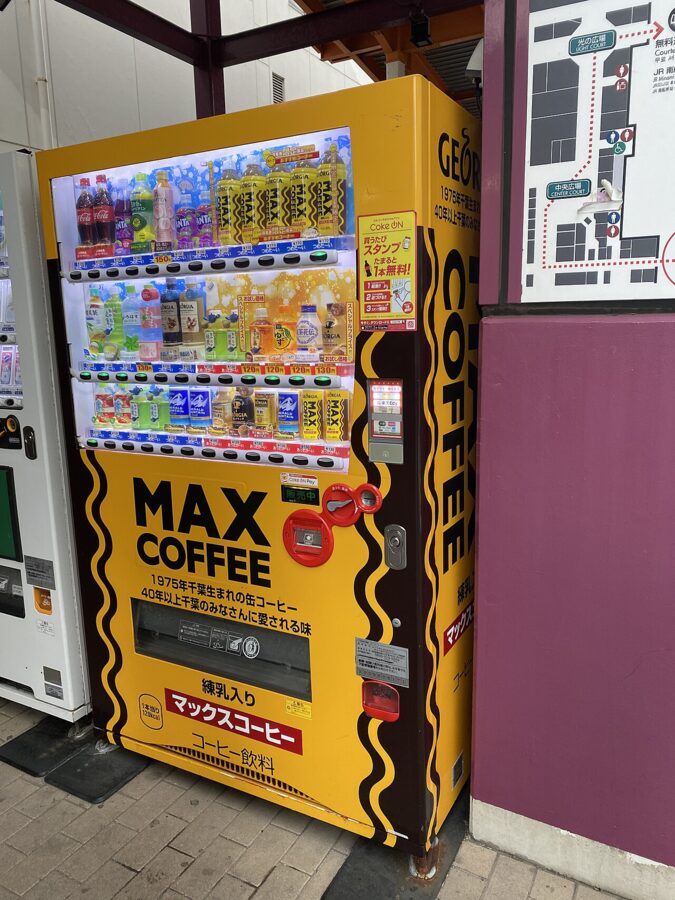
コーヒー is the word that makes katakana click for a lot of learners: kōhī, coffee. It’s two characters and two lines: コ (ko), a stretch mark, ヒ (hi), another stretch mark. Learn the 46 shapes behind words like that one and a surprising share of every Japanese menu, station and shelf turns out to be English, Dutch or Portuguese in disguise.
Katakana is the second of Japan’s two kana scripts. It writes exactly the same sounds as hiragana, in the same order, with sharper and simpler shapes. If you already know hiragana, you aren’t learning new sounds here, only a second face for each one.
Below is the full chart in four parts, then the look-alikes that trip everyone up, what katakana is for, and a two-week plan built on real words.
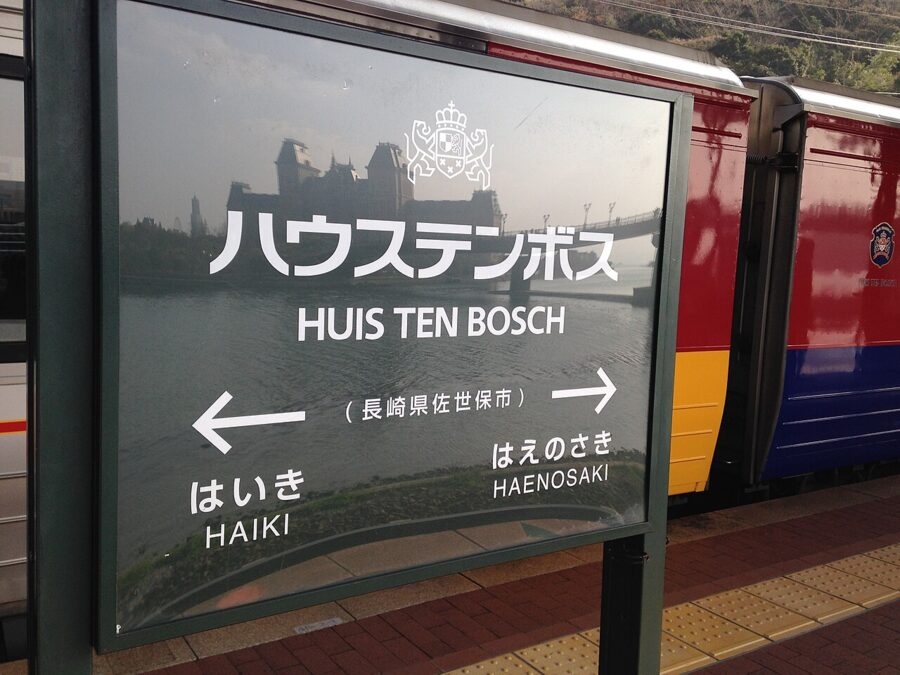

How many katakana are there? The short answer is 46. Add the voiced forms and the combinations and you reach 104, the size of many Japanese children’s flashcard sets. The foreign-sound pairs push it past 130, though you’ll only meet a dozen of those often.

目次 Contents
The 46 basic katakana
The chart runs like hiragana. The five vowels go across the top, and each row adds a consonant: k, s, t, n, h, m, y, r, w. The last character, ン, is the only one that is a consonant on its own.
| a | i | u | e | o | |
|---|---|---|---|---|---|
| – | ア a | イ i | ウ u | エ e | オ o |
| k | カ ka | キ ki | ク ku | ケ ke | コ ko |
| s | サ sa | シ shi | ス su | セ se | ソ so |
| t | タ ta | チ chi | ツ tsu | テ te | ト to |
| n | ナ na | ニ ni | ヌ nu | ネ ne | ノ no |
| h | ハ ha | ヒ hi | フ fu | ヘ he | ホ ho |
| m | マ ma | ミ mi | ム mu | メ me | モ mo |
| y | ヤ ya | ユ yu | ヨ yo | ||
| r | ラ ra | リ ri | ル ru | レ re | ロ ro |
| w | ワ wa | ヲ o | |||
| n | ン n |
The romaji is Hepburn, the spelling on station signs. In 2025 Japan made Hepburn its official standard by Cabinet notice, on the advice of the Council for Cultural Affairs, replacing 1954 rules that listed シ as si and ツ as tu first. An older textbook’s tu is the same ツ.
Four cells break the pattern of their rows. シ is shi, チ is chi, ツ is tsu and フ is fu, a soft sound made with both lips rather than teeth on lip. The r-row sits somewhere between an English r, l and d, a single light tap of the tongue.
Where the shapes came from
Katakana grew out of note-taking. In the early Heian period, scholar-monks reading Buddhist texts in Chinese wrote Japanese endings between the lines, using only a piece of each character to save time. The kata in katakana means partial, and the Daijisen dictionary traces the name to that habit.
You can still see the parents in a few: イ is the left side of 伊, カ the left side of 加. Shapes varied for centuries, and today’s forms were fixed by Japan’s 1900 elementary school regulations.
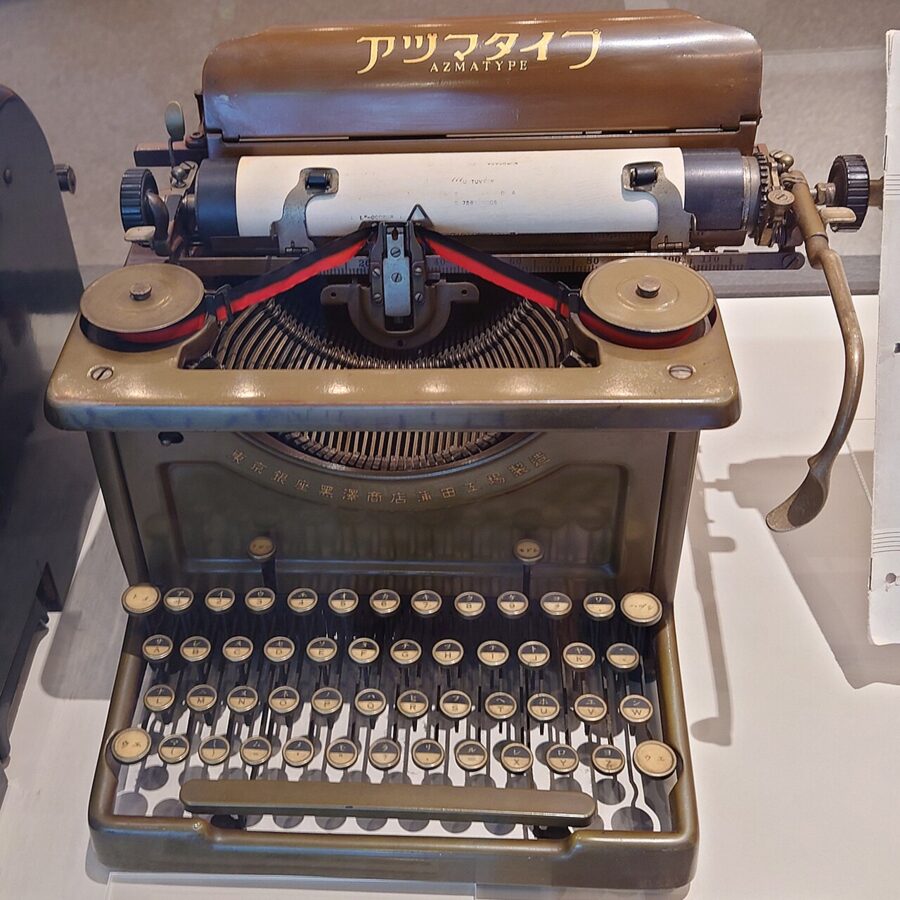

ヲ, and the two letters Japan retired
ヲ is in every chart, but you’ll hardly ever read it. Its sound, o, belongs to the object particle, which is written in hiragana as を, so ヲ turns up mainly in all-katakana text.
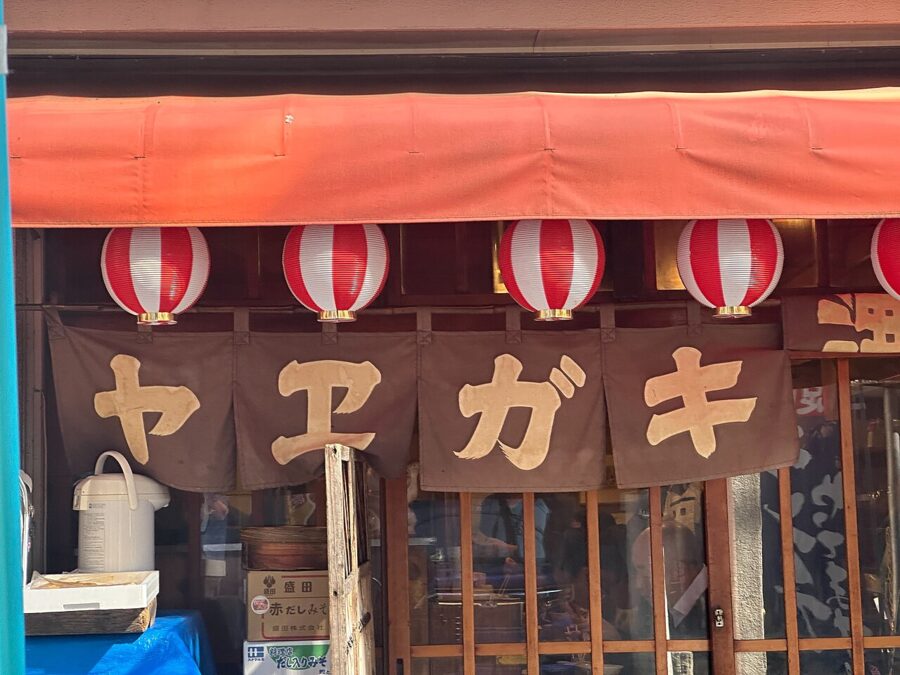
Two more characters used to sit in the w-row: ヰ (wi) and ヱ (we). Spelling reforms after the Second World War dropped them from everyday writing, which is also why some lists count 48 kana instead of 46. They survive in brand names that kept their old spelling: the whisky maker ニッカウヰスキー and the beer ヱビス both still use them.

Dakuten and handakuten: 25 voiced sounds
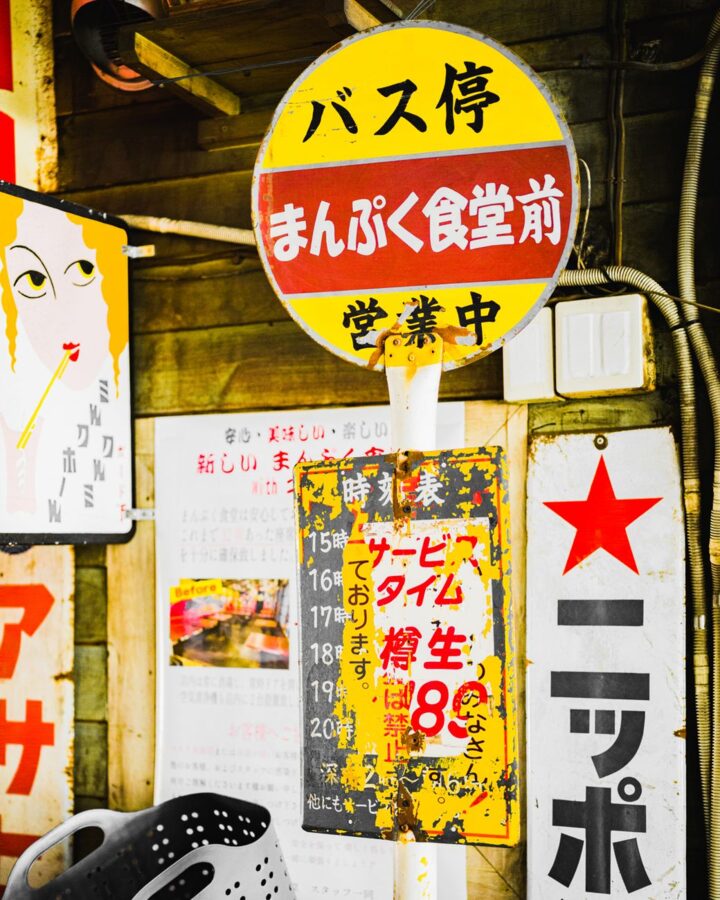
Two small marks at the top right turn one sound into another. The dakuten, two short strokes (゛), voices the consonant: k becomes g, s becomes z, t becomes d, h becomes b. The handakuten, a small circle (゜), works only on the h-row and turns it into p.
| a | i | u | e | o | |
|---|---|---|---|---|---|
| g | ガ ga | ギ gi | グ gu | ゲ ge | ゴ go |
| z | ザ za | ジ ji | ズ zu | ゼ ze | ゾ zo |
| d | ダ da | ヂ ji | ヅ zu | デ de | ド do |
| b | バ ba | ビ bi | ブ bu | ベ be | ボ bo |
| p | パ pa | ピ pi | プ pu | ペ pe | ポ po |
ヂ and ヅ sound the same as ジ and ズ, and in katakana you can almost ignore them. The 1991 Cabinet notice on writing foreign words leaves both out of its main table, along with ヲ, so loanwords use ジ and ズ.
Small ャ, ュ, ョ and the small ッ
Write ヤ, ユ or ヨ at half size after any i-column character and the two merge into one beat. キ plus a small ャ is kya, not ki-ya. This gives you 33 combination sounds, the same set hiragana has.
| +ャ ya | +ュ yu | +ョ yo | |
|---|---|---|---|
| キ | キャ kya | キュ kyu | キョ kyo |
| シ | シャ sha | シュ shu | ショ sho |
| チ | チャ cha | チュ chu | チョ cho |
| ニ | ニャ nya | ニュ nyu | ニョ nyo |
| ヒ | ヒャ hya | ヒュ hyu | ヒョ hyo |
| ミ | ミャ mya | ミュ myu | ミョ myo |
| リ | リャ rya | リュ ryu | リョ ryo |
| ギ | ギャ gya | ギュ gyu | ギョ gyo |
| ジ | ジャ ja | ジュ ju | ジョ jo |
| ビ | ビャ bya | ビュ byu | ビョ byo |
| ピ | ピャ pya | ピュ pyu | ピョ pyo |
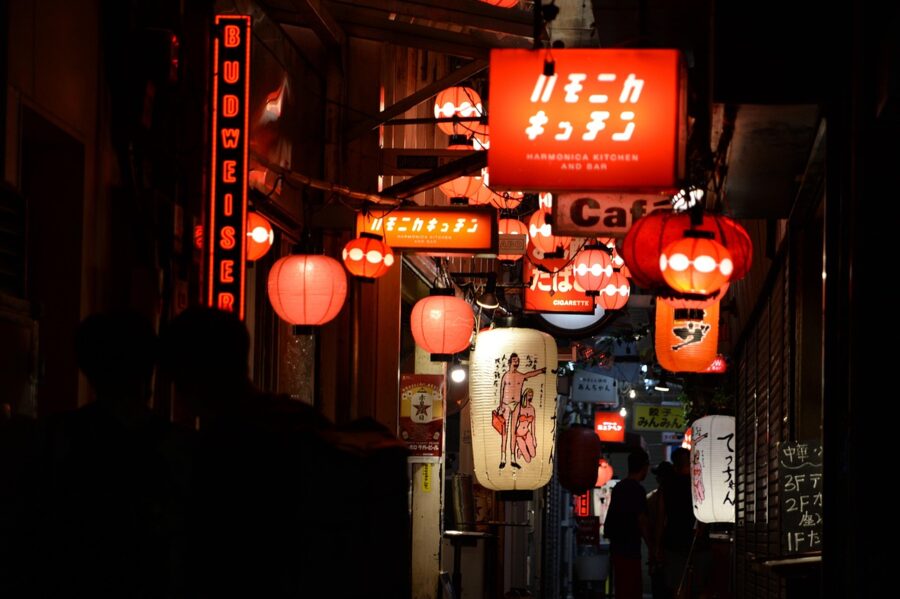
The small ッ has no sound of its own. It doubles the consonant that follows, which you hear as a tiny pause: カップ (kappu) “cup”, ベッド (beddo) “bed”, キッチン (kitchin) “kitchen”. Loanwords lean on it heavily, because English double letters and hard stops land on it.
The long-vowel mark ー
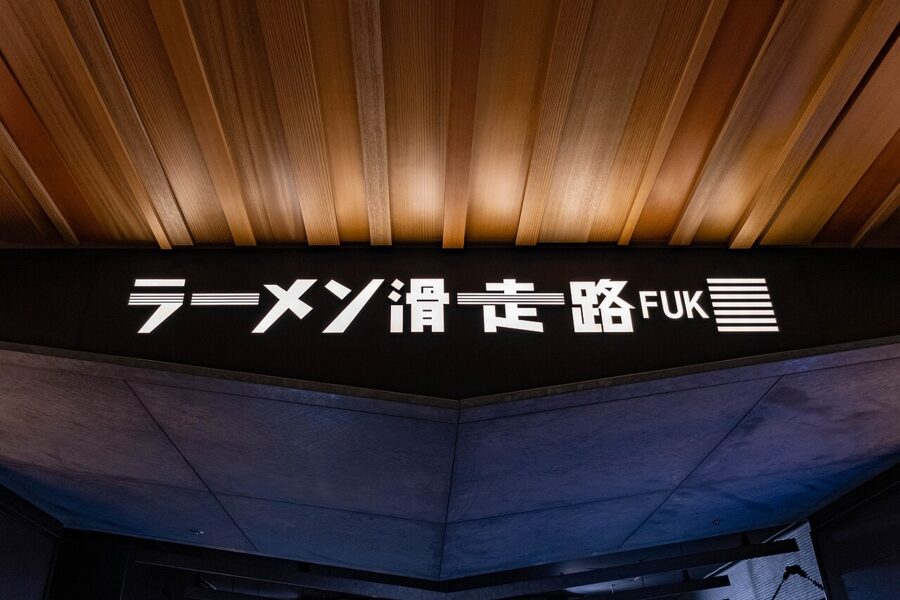
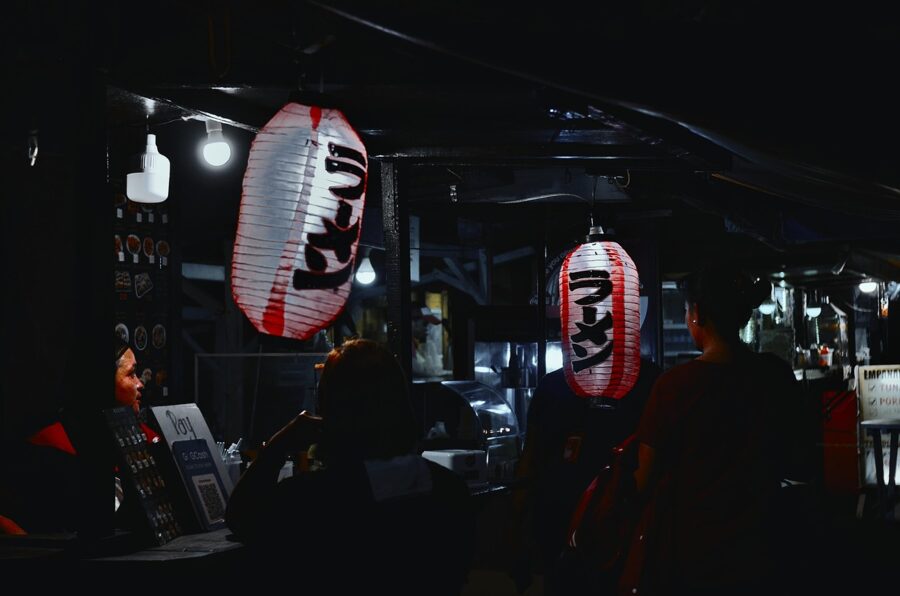
This little bar is the biggest difference between the two scripts. Hiragana stretches a vowel by adding another vowel, as in おかあさん (okāsan). Katakana draws a line instead, the chōonpu: ケーキ (kēki) “cake”, スーパー (sūpā) “supermarket”, ラーメン (rāmen).
Leave it out and you change the word. ビル (biru) is a building and ビール (bīru) is beer, so the line is worth getting right before you order.
The 1991 notice allows a few exceptions. English words ending in -er, -or and -ar normally take the bar, as in エレベーター (erebētā) “elevator”, but custom may drop it, so you’ll see both コンピューター and コンピュータ for “computer”. Some words write ei instead of a long e: ペイント (peinto) “paint”, エイト (eito) “eight”.
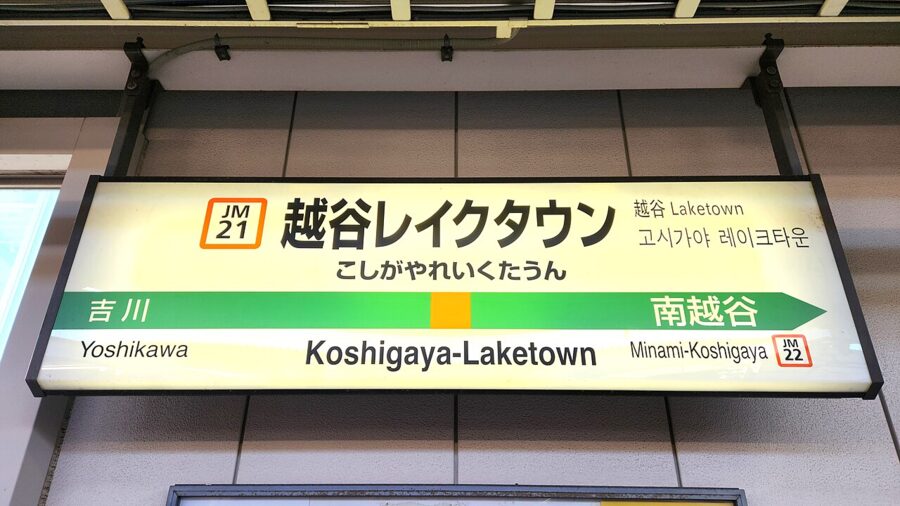

Extended katakana for foreign sounds
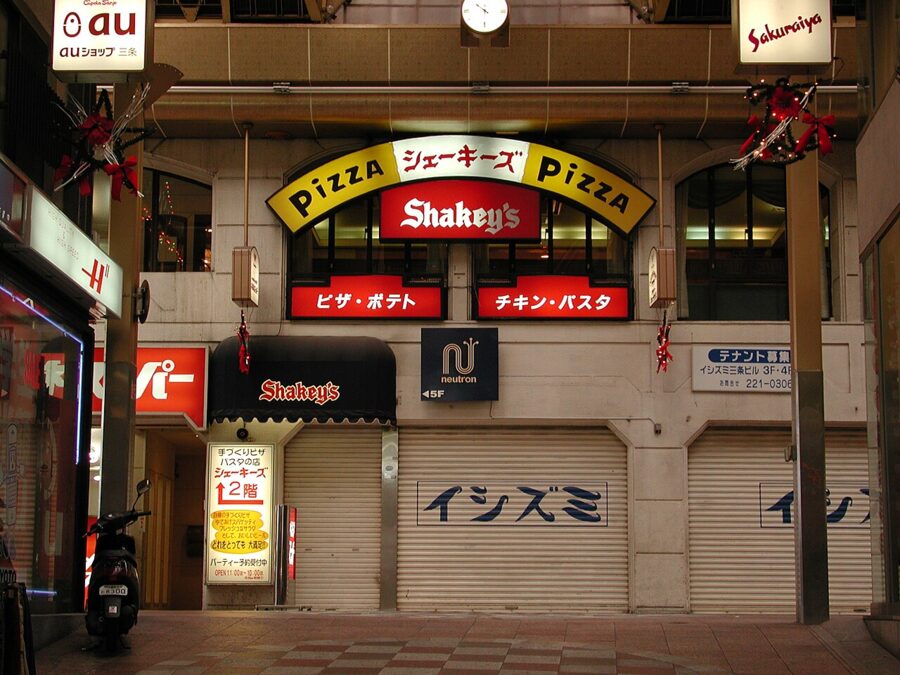
Japanese has no native ti, fa, she or v. Katakana builds them by writing a small ァ, ィ, ゥ, ェ or ォ after a regular character, and the pair reads as one syllable. フ plus a small ァ is fa, as in ファイル (fairu) “file”.
The rules come from the Cabinet notice of June 28, 1991, on writing loanwords, which the Agency for Cultural Affairs still publishes. It sorts these pairs into two tables. The first holds the ones in general use:
| Kana | Romaji | In a word |
|---|---|---|
| シェ | she | シェフ (shefu) “chef” |
| ジェ | je | ジェットエンジン (jetto enjin) “jet engine” |
| チェ | che | チェック (chekku) “check” |
| ツァ, ツェ, ツォ | tsa, tse, tso | モーツァルト (mōtsaruto) “Mozart” |
| ティ | ti | パーティー (pātī) “party” |
| ディ | di | ディズニー (dizunī) “Disney” |
| ファ, フィ, フェ, フォ | fa, fi, fe, fo | フォーク (fōku) “fork” |
| デュ | dyu | プロデューサー (purodyūsā) “producer” |
The second table is for writing a word closer to its original sound. It covers イェ (ye), ウィ (wi), ウェ (we), ウォ (wo), クァ, クィ, クェ, クォ (kwa, kwi, kwe, kwo), グァ (gwa), ツィ (tsi), トゥ (tu), ドゥ (du), テュ (tyu), フュ (fyu), and the v-row: ヴァ, ヴィ, ヴ, ヴェ, ヴォ and ヴュ. The notice says that where these aren’t needed, the first table will do: ヴァ can become バ, and ウォ can become ウオ.
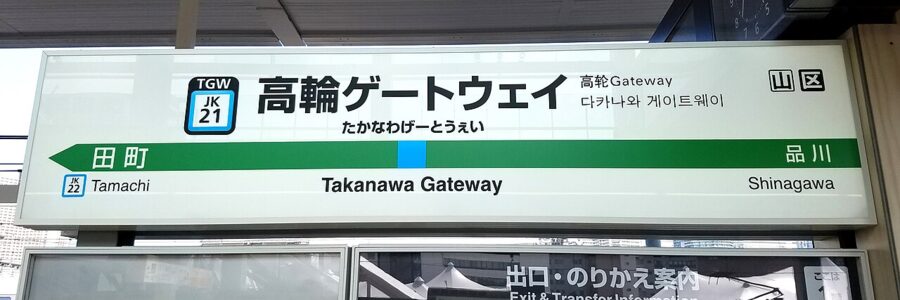

Older loanwords often skip the extended forms. Radio is ラジオ (rajio), with ジ rather than ディ, and the notice accepts プラットホーム (purattohōmu) for “platform” with ホ instead of フォ. That one matters on every train trip, because the shortened ホーム (hōmu) is the everyday word for a station platform.
Spelling of the second table is loose, so expect two versions of the same word. Violin appears as both ヴァイオリン and バイオリン, and whisky as ウィスキー and ウイスキー. Neither is a mistake.


Look-alike katakana and how to tell them apart
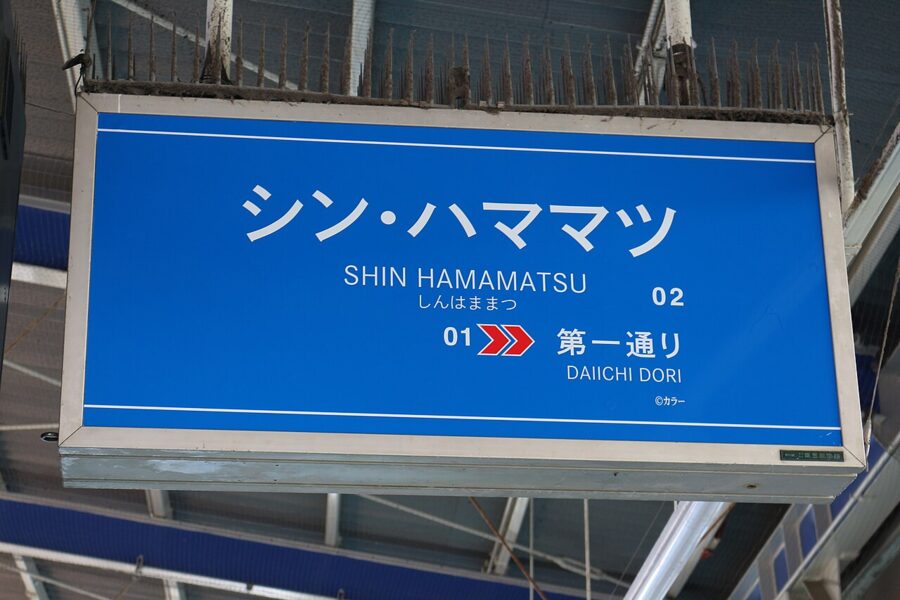
Two pairs cause most of the trouble, シ and ツ, and ソ and ン. In print they look nearly alike, but the direction each stroke travels gives them away.
- シ (shi) and ン (n) finish with a stroke that sweeps up from the bottom left. Their short ticks lie flatter, and in シ the two ticks are stacked on the left side.
- ツ (tsu) and ソ (so) finish with a stroke that falls from the top right down to the left. Their ticks stand more upright, and in ツ the two ticks sit side by side along the top.
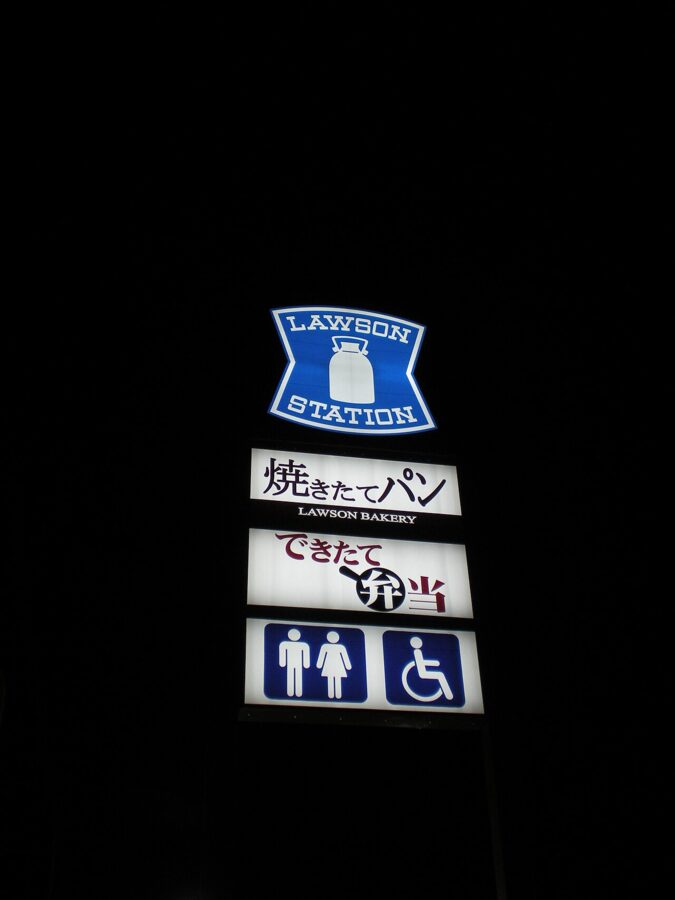
Think of シ and ン as looking up at you and ツ and ソ as looking down. Two words let you check both pairs at once: シャツ (shatsu) “shirt” has シ and ツ, and ローソン (rōson), the convenience store chain, has ソ and ン.

The other confusions come down to one stroke:
| Pair | What to look for |
|---|---|
| ク ku, ケ ke, タ ta | ク is two strokes. タ adds a short stroke inside it. ケ has a flat bar with a stroke falling from its middle. |
| ノ no, メ me | メ is ノ with a short stroke crossing it. |
| ス su, ヌ nu | In ヌ the second stroke crosses the first. In ス it starts from it and stays outside. |
| チ chi, テ te | The top stroke slants down to the left in チ and lies flat in テ. |
| フ fu, ワ wa, ウ u | フ is one stroke. ワ adds a short stroke on the left, and ウ adds a tick on top of that. |
| コ ko, ユ yu, ヨ yo | ユ’s bottom line runs past both sides. ヨ has a bar through the middle. |
A few katakana also match kanji you’ll learn later. カ looks like 力 (chikara, power), エ like 工 (kō, craft), ロ like 口 (kuchi, mouth), ニ like 二 (ni, two) and ハ like 八 (hachi, eight). The words around them tell you which is which.

What katakana is used for
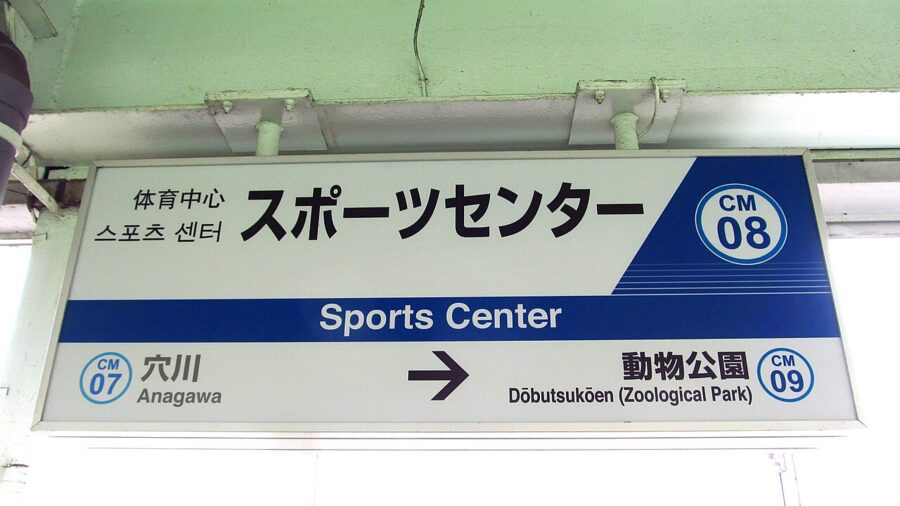
Katakana does a handful of jobs where it needs to stand out from hiragana and kanji.
Loanwords
Most katakana you read will be gairaigo, words borrowed from other languages. Older ones came from Portuguese, Dutch and German: パン (pan) “bread”, ビール (bīru) “beer” and アルバイト (arubaito) “part-time job”. Once borrowed, they behave like any Japanese noun and take the same particles, which you’ll find in the Japanese grammar basics.
Take コンビニに行きます (konbini ni ikimasu) “I’m going to the convenience store”, polite. コンビニ is katakana, and the particle に after it marks where you’re going, just as it would after a native word.
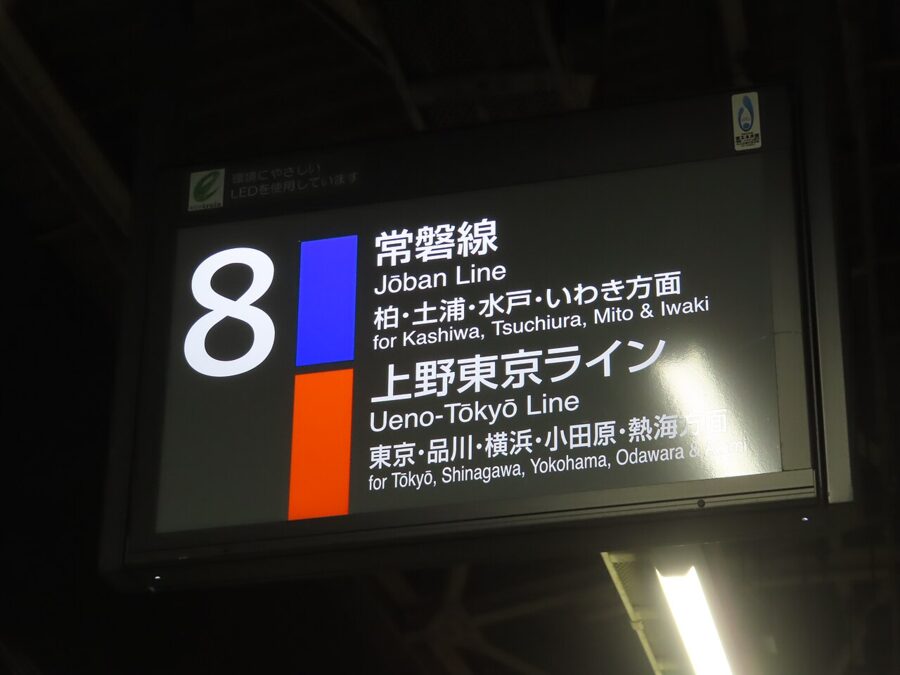

Many loanwords are shortened, or shifted in meaning. パソコン (pasokon) is a personal computer, スマホ (sumaho) is a smartphone, and マンション (manshon) is a condominium, not a mansion.
Foreign names and places
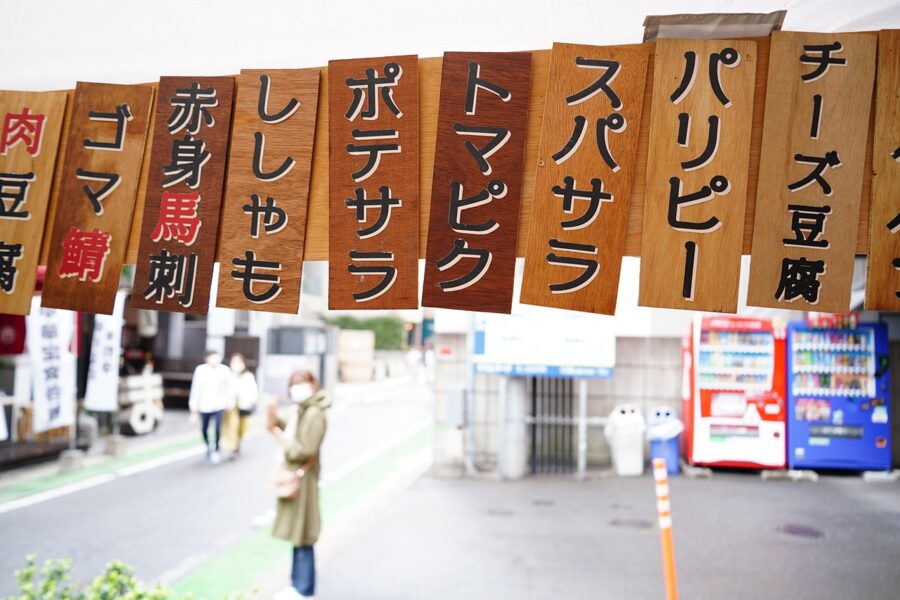
Your own name goes into katakana, spelled by sound, not by letters. Michael is マイケル (maikeru), Emma is エマ (ema), and Christopher is クリストファー (kurisutofā). A middle dot separates given and family names: ジョン・スミス (jon sumisu).
Foreign places work the same way: イタリア (itaria) “Italy”, ロンドン (rondon) “London”. Chinese place names are the main exception: 北京 (Pekin) and 上海 (Shanhai) are written in kanji.
Emphasis and tone
Writers switch a native word into katakana to make it jump off the page, much as English uses italics or capitals. Signs do it with warnings, and it reads like a raised voice.
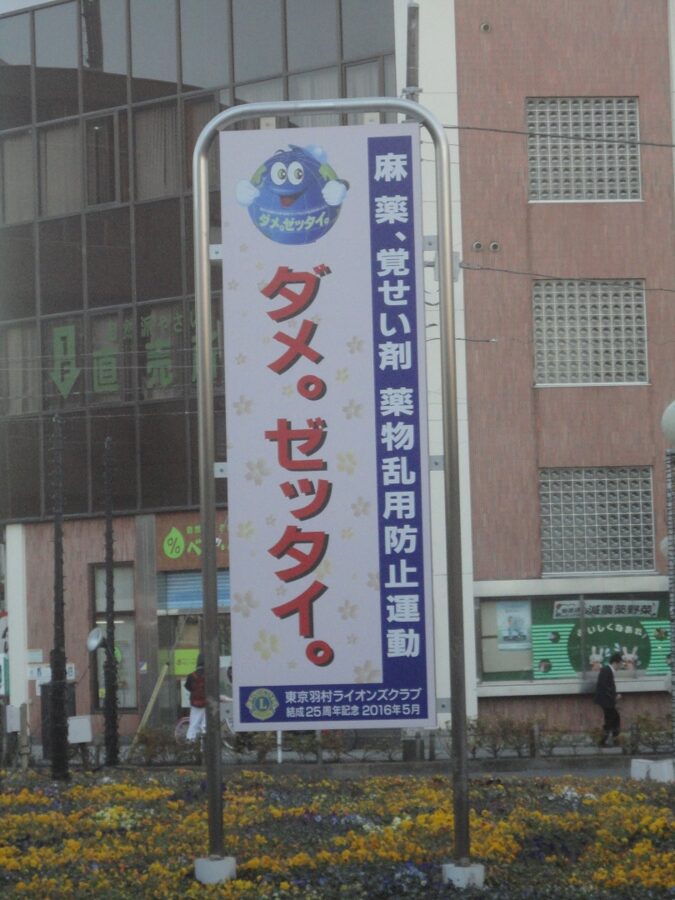

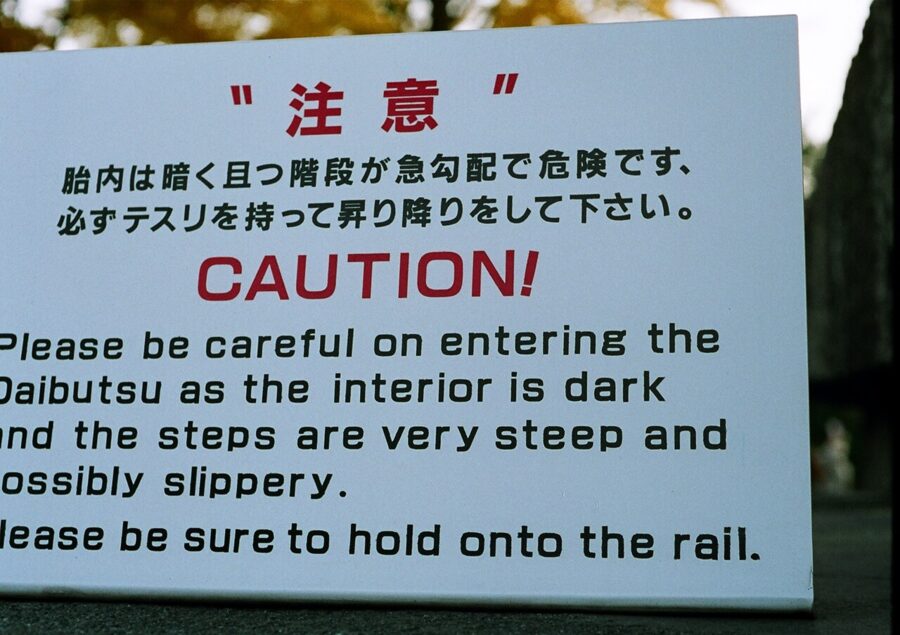

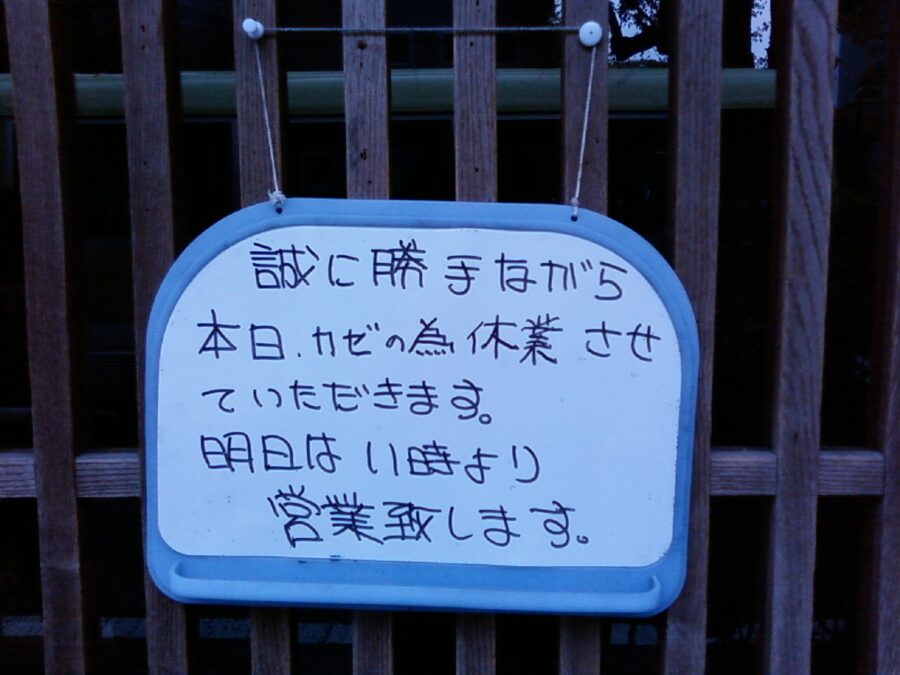
Katakana also stands in for a kanji the writer finds fussy. A shop owner closing for the day might write カゼ (kaze) “a cold” instead of 風邪, and it reads as casual rather than shouted.

Sound effects, science and old documents
Sound words often go into katakana, especially loud ones: ワンワン (wanwan) for a barking dog, ドキドキ (dokidoki) for a pounding heart, ガタン (gatan) for a clunk. Manga sound effects are mostly katakana for the same reason, though softer mimetic words often stay in hiragana.
Biology writes the standard names of plants and animals in katakana, so a textbook calls humans ヒト (hito) and the cherry tree サクラ (sakura). And before 1946, laws were written in kanji mixed with katakana. The Meiji Constitution of 1889 reads that way, and postwar laws switched to hiragana.
How to learn katakana in two weeks
Is katakana harder than hiragana? A little: you see it less, it has more look-alikes, and loanwords sound unlike the English you expect. But once you sound a word out, you often already know it.
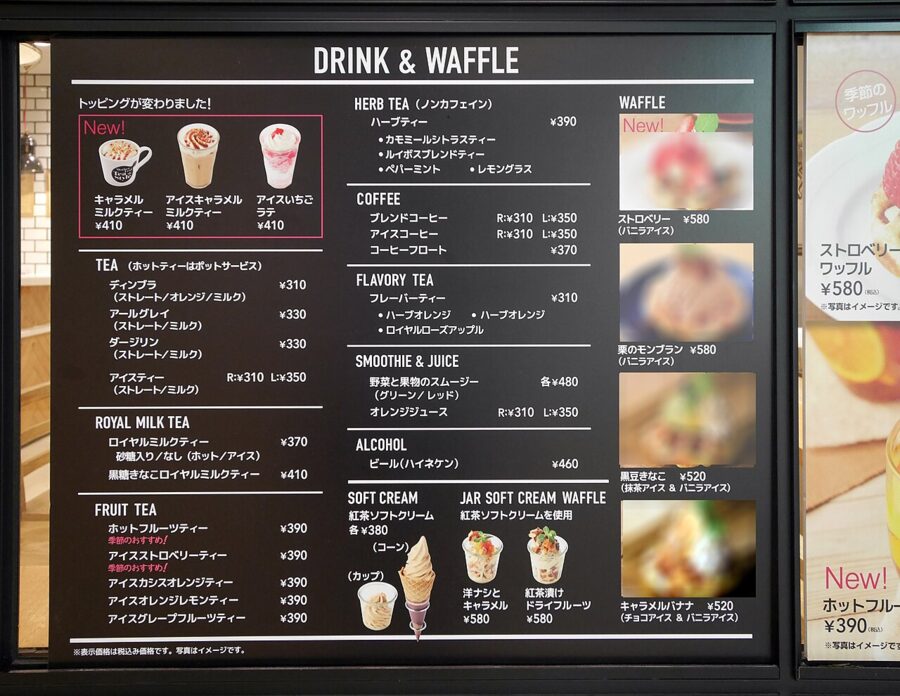
In the order I recommend for learning Japanese from zero, katakana comes straight after hiragana, in week three. Twenty minutes a day is enough. Learn the long-vowel bar on day one, because you can’t read a single menu without it.
| Day | New characters | Words you can read that night |
|---|---|---|
| 1 | ア and カ rows, plus ー | ケーキ kēki “cake”, ココア kokoa “cocoa” |
| 2 | サ and タ rows | テスト tesuto “test”, タクシー takushī “taxi” |
| 3 | ナ and ハ rows | ノート nōto “notebook”, ナイフ naifu “knife” |
| 4 | マ and ヤ rows | マスク masuku “face mask”, メモ memo “note” |
| 5 | ラ and ワ rows, ン | ホテル hoteru “hotel”, ワイン wain “wine” |
| 6 | Review all 46; drill シ ツ ソ ン | ソース sōsu “sauce”, シーツ shītsu “bedsheet” |
| 7 | Dakuten and handakuten | パン pan “bread”, ゲーム gēmu “game” |
| 8 | Small ャ ュ ョ and ッ | シャツ shatsu “shirt”, ジュース jūsu “juice”, カップ kappu “cup” |
| 9 to 10 | First-table extended pairs | パーティー pātī “party”, フォーク fōku “fork”, カフェ kafe “café” |
| 11 to 14 | No new characters | Menus, signs and packaging: read everything you see |
Write each new row five times aloud, then read words, not single characters. For review, put the characters and your new words on spaced-repetition flashcards, adding a few a day and seeing each one again just before you’d forget it. Keep a separate small pile for the look-alikes you keep missing.
Real words to practice with
Cover the right two columns, sound each word out, and guess. The last few drifted in meaning, so learn them before you need them.
| Katakana | Romaji | Meaning, and where you’ll see it |
|---|---|---|
| メニュー | menyū | menu, on every restaurant table |
| テイクアウト | teikuauto | takeout, on café doors |
| レジ | reji | checkout counter, from “register” |
| トイレ | toire | toilet, on signs in every station |
| ホーム | hōmu | train platform |
| ファミリーマート | famirī māto | FamilyMart, the convenience store chain |
| コンビニ | konbini | convenience store |
| バイキング | baikingu | all-you-can-eat buffet, from “Viking” |
| マンション | manshon | apartment or condominium building |
| サラリーマン | sararīman | office worker on a salary |
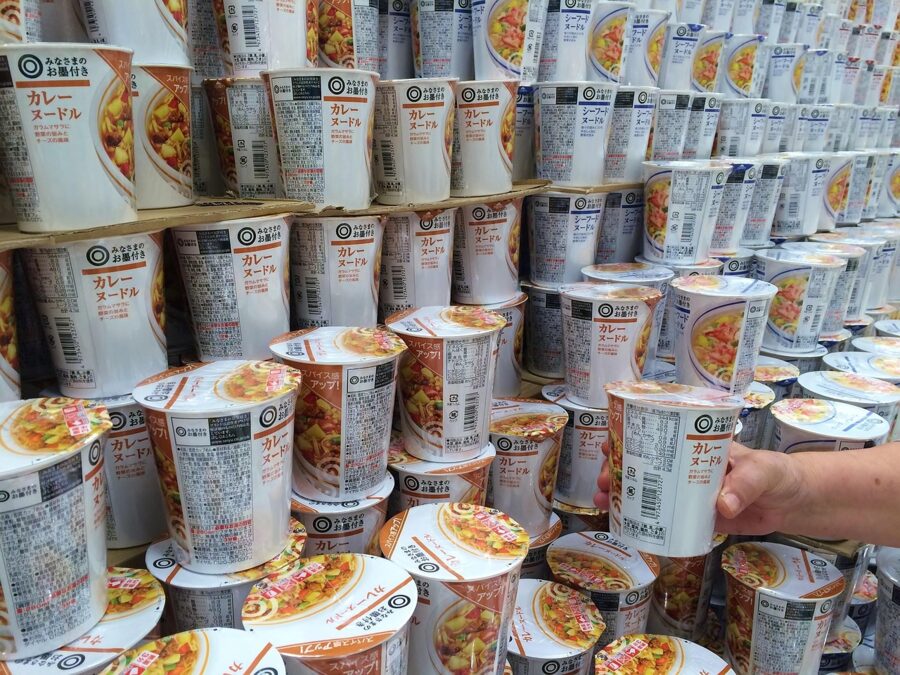
Tonight, write your own name in katakana. Tomorrow, find one bottle, can or menu with katakana on it and sound out every word, starting with the coffee. It’s コーヒー, and after two weeks you’ll read it before you’ve noticed you’re reading.