
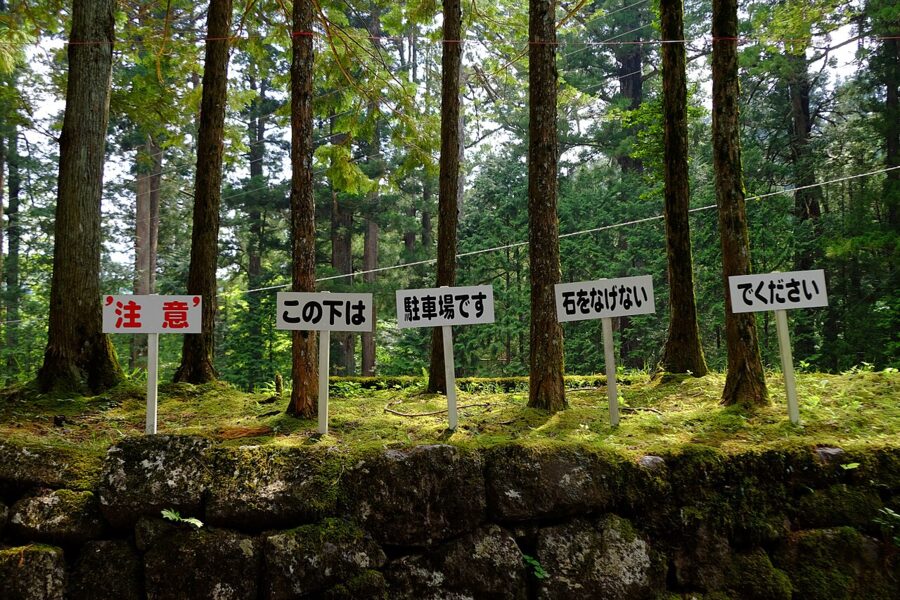
Five white boards stand in a row in a Japanese forest, and together they make one sentence: 注意。この下は駐車場です。石をなげないでください。 Read them left to right and for most of the walk you are being told about a parking lot and handed a stone. Then ない on the fourth board turns “throw” into “don’t throw”, and でください on the fifth makes it a polite request.
That row of planks is Japanese sentence structure in miniature. The parts that decide what a sentence means, whether it happened, whether it didn’t, whether it is a question or a request, arrive at the end. Everything before them is a set of labeled pieces, and the labels let some of those pieces move.
Below: the verb at the end, the particles that let the middle shuffle, the topic that frames it all, the subjects that disappear, descriptions stacked in front of a noun, and the joints that turn two sentences into one. Examples come in Japanese, romaji and English, with the politeness level marked. Most are real signs, because a sign writer gets one line and uses exactly the structures you need.
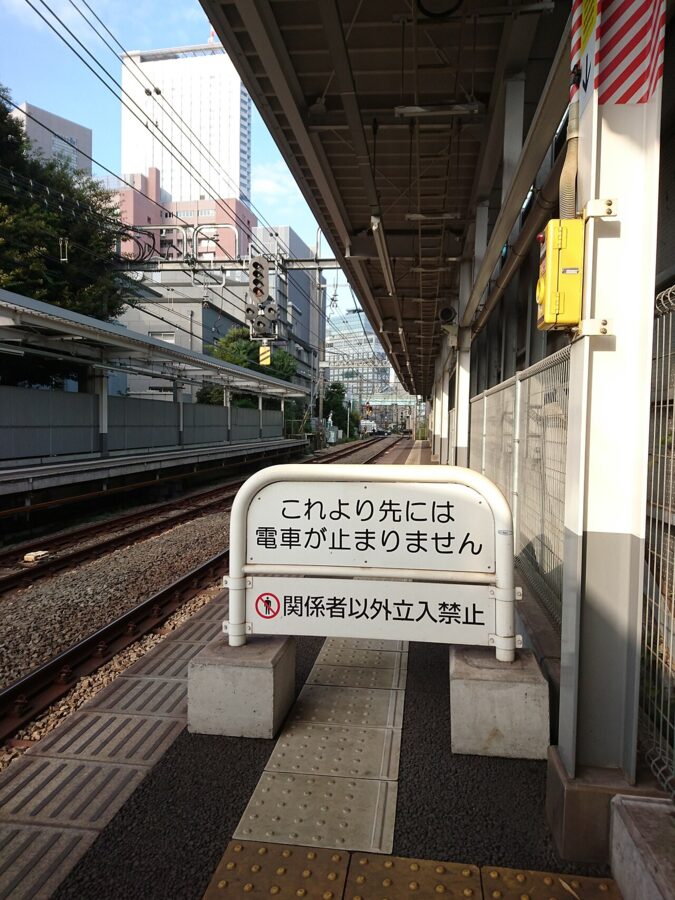

Japanese is easier to build than to read. Building, you choose the end and add pieces in front of it. Reading, you hold the pieces in your head until the end tells you what they were for, so the useful habit is checking the last word before you commit to a meaning.

目次 Contents
- The verb comes last, and so does everything that changes it
- What can move: the middle of the sentence
- Topic first, then the comment
- Descriptions go in front of the noun, even whole sentences
- Joining two sentences into one
- Questions and negatives only change the end
- Taking a long sentence apart
- Practice set
The verb comes last, and so does everything that changes it
Is Japanese SVO or SOV? SOV: subject, object, verb. English says “I eat sushi”; Japanese says “I sushi eat”, 私は寿司を食べます (watashi wa sushi o tabemasu). Of the 1,376 languages Matthew Dryer classified for the World Atlas of Language Structures, 564 have subject-object-verb as their usual order, more than the 488 that follow the English subject-verb-object pattern.
The verb-last rule is one case of a wider habit. Linguists call Japanese head-final: whatever a phrase is built around comes at its end. The particle comes after its noun, the noun after the words describing it, and helper endings after the verb. Seen that way, the language stops looking backwards.
| English | Japanese | Romaji | Built around |
|---|---|---|---|
| to Tokyo | 東京に | Tōkyō ni | the particle に, last |
| the book I bought | 買った本 | katta hon | the noun 本, last |
| I went to Tokyo | 東京に行った | Tōkyō ni itta | the verb, last (casual) |
| I didn’t want to go | 行きたくなかったです | ikitaku nakatta desu | the endings, last (polite) |
Desire, negation, tense and politeness all attach to the end of the verb in a fixed order. Watch the meaning change while the front stays put:
| Japanese | Romaji | English |
|---|---|---|
| 行く | iku | (I) go (casual) |
| 行きたい | ikitai | (I) want to go (casual) |
| 行きたくない | ikitaku nai | (I) don’t want to go (casual) |
| 行きたくなかった | ikitaku nakatta | (I) didn’t want to go (casual) |
| 行きたくなかったですか | ikitaku nakatta desu ka | Didn’t (you) want to go? (polite) |
Only one kind of word can follow the verb in a finished sentence: the sentence-final particles. か (ka) makes a question, よ (yo) tells the listener something they may not know, ね (ne) checks that they agree. They add attitude, not content.
What can move: the middle of the sentence
In English, word order tells you who did what. Japanese hands that job to particles, the small tags after each noun: が (ga) for the subject, を (o) for the object, に (ni) for a destination, a time or the person receiving something, で (de) for where an action happens. Because each piece wears a label, the pieces before the verb can change places.
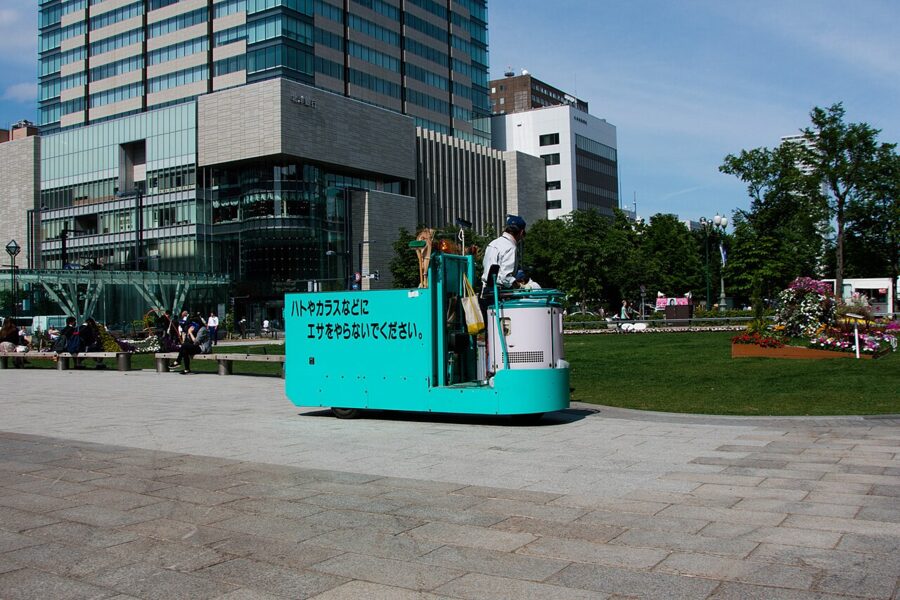

There is still a default order: when, where, with whom, what, do.
| Japanese | Romaji | English |
|---|---|---|
| 明日、駅前で友だちとラーメンを食べます。 | ashita, ekimae de tomodachi to rāmen o tabemasu. | Tomorrow I’m eating ramen with a friend in front of the station. (polite) |
| 駅前で、明日、友だちとラーメンを食べます。 | ekimae de, ashita, tomodachi to rāmen o tabemasu. | Same meaning, with the place pulled forward as the setting. (polite) |
| ケーキを田中さんが食べました。 | kēki o Tanaka-san ga tabemashita. | Tanaka ate the cake, with the cake up front and Tanaka nearer the end. (polite) |
Moving a piece changes the emphasis. Whatever goes first tends to become the backdrop, and the slot just before the verb tends to carry the news: in the last example, the answer is “Tanaka”. When unsure, use the default order.
What stays put
Three things don’t move. A particle stays glued after its word; you never write に東京. A description stays in front of its noun. And in writing, the predicate, 述語 (jutsugo), stays last.
Conversation bends the last rule. People finish the sentence, then tack on something they forgot. That sounds natural in casual speech and odd in an essay.
| Japanese | Romaji | English |
|---|---|---|
| 行こうよ、一緒に。 | ikō yo, issho ni. | Let’s go, together. (casual) |
| おいしいね、これ。 | oishii ne, kore. | It’s good, this. (casual) |
Topic first, then the comment
One of the best-known sentences in Japanese grammar is about an elephant. 象は鼻が長い (zō wa hana ga nagai) means “Elephants have long trunks”, and word for word it reads “As for elephants, the nose is long.” The grammarian Mikami Akira used it as the title of a 1960 book arguing that Japanese doesn’t need the idea of a subject at all, and that は marks a topic. In his elephant, the topic and the subject are two different things in the same sentence.
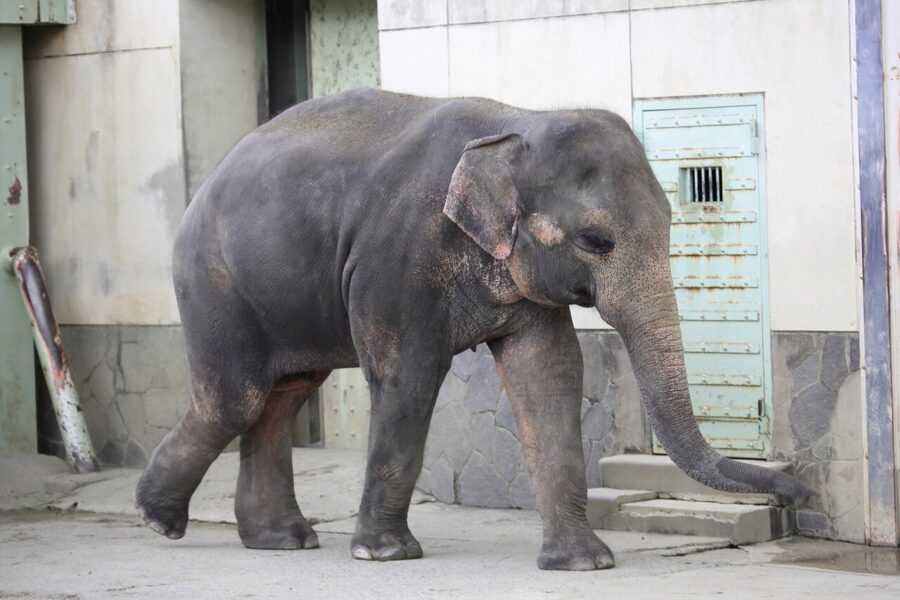

A topic sentence works like a heading and a remark. は says “here is what I’m talking about”, and the rest is the comment. The topic can be a person, a time, a place, or even the object of the verb.
| Japanese | Romaji | English |
|---|---|---|
| 今日は暑いです。 | kyō wa atsui desu. | It’s hot today. (As for today, hot.) (polite) |
| この下は駐車場です。 | kono shita wa chūshajō desu. | Below here is a parking lot. (polite) |
| 東京は人が多いです。 | Tōkyō wa hito ga ōi desu. | Tokyo has a lot of people. (polite) |
| ぼくはうなぎだ。 | boku wa unagi da. | I’ll have the eel. (casual; literally “As for me, eel.”) |
The last one looks absurd until you put it in a restaurant, where “As for me, eel” is a complete order. The choice between は and が for beginner sentences, with its quick test and fixed patterns, is set out in the Japanese grammar overview; the point here is structural. Topic first, comment after, and the comment can have its own subject.

Dropping what you both already know
Why doesn’t Japanese say the subject? Because the listener can supply it. Japanese leaves out any piece the context makes obvious, objects and topics included. A complete, polite sentence can be one verb: 分かりました (wakarimashita), “(I) understood (it).”

You are not left guessing, because verb forms point at people. A statement with たい (tai, want to) is about the speaker. A request with ください (kudasai) is aimed at the listener. Honorific verbs raise someone else and humble ones lower the speaker.
| Japanese | Romaji | English | Who, and how you know |
|---|---|---|---|
| 水が飲みたいです。 | mizu ga nomitai desu. | I want to drink some water. (polite) | the speaker: たい statements are about yourself |
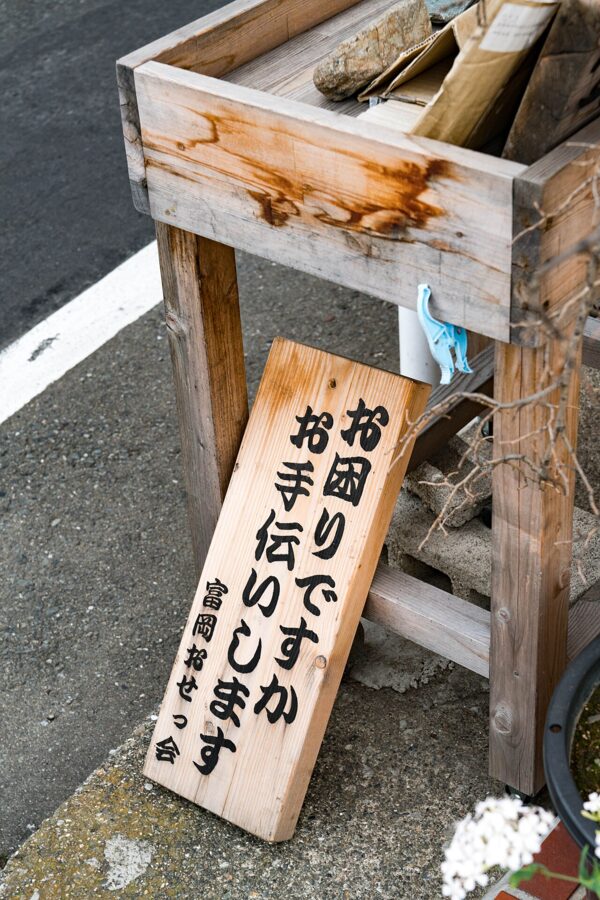
| ここに名前を書いてください。 | koko ni namae o kaite kudasai. | Please write your name here. (polite) | the listener: ください is a request |
| お手伝いします。 | o-tetsudai shimasu. | I’ll help you. (formal, humble) | the speaker: お〜します is humble |
| 何時にいらっしゃいますか。 | nan-ji ni irasshaimasu ka. | What time will you be coming? (formal, honorific) | the listener: いらっしゃる is honorific |
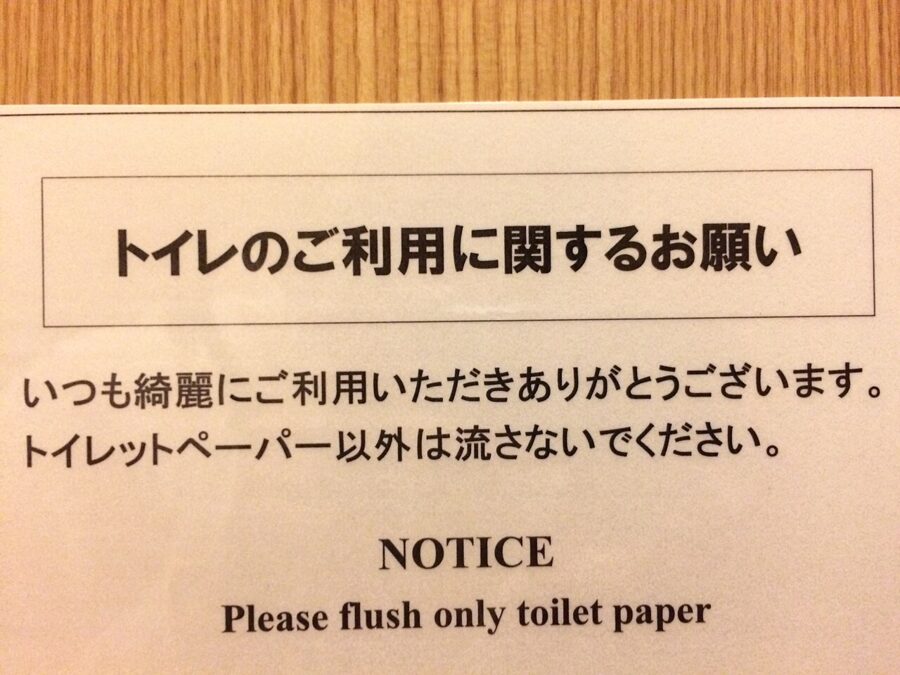
So don’t start every sentence with 私は (watashi wa); it sounds stiff. あなた (anata, you) can sound distant, so use the person’s name or leave “you” out.
Descriptions go in front of the noun, even whole sentences
Adjectives come before the noun, as in English: 赤い傘 (akai kasa), “a red umbrella.” Possession with の (no) chains the same way: 母の友だちの車 (haha no tomodachi no kuruma), “my mother’s friend’s car.”
The surprise is that a whole clause can sit in front of a noun too. English puts it after, with “who” or “that”: “the book that I bought yesterday.” Japanese has no word for that job. The clause, in plain form, goes straight before the noun: 昨日買った本 (kinō katta hon), “yesterday bought book.”

| Japanese | Romaji | English |
|---|---|---|
| 昨日買った本 | kinō katta hon | the book (I) bought yesterday |
| 東京に住んでいる友だち | Tōkyō ni sunde iru tomodachi | a friend who lives in Tokyo |
| 人が集まる所 | hito ga atsumaru tokoro | a place where people gather |
| 母が作ったカレー / 母の作ったカレー | haha ga tsukutta karē / haha no tsukutta karē | the curry my mother made |
Three rules keep these clauses straight. The verb inside is plain: 買った本, never 買いました本. Politeness goes at the end of the whole sentence: 昨日買った本はおもしろいです (kinō katta hon wa omoshiroi desu, polite). And the subject inside takes が, which can become の, but never は.
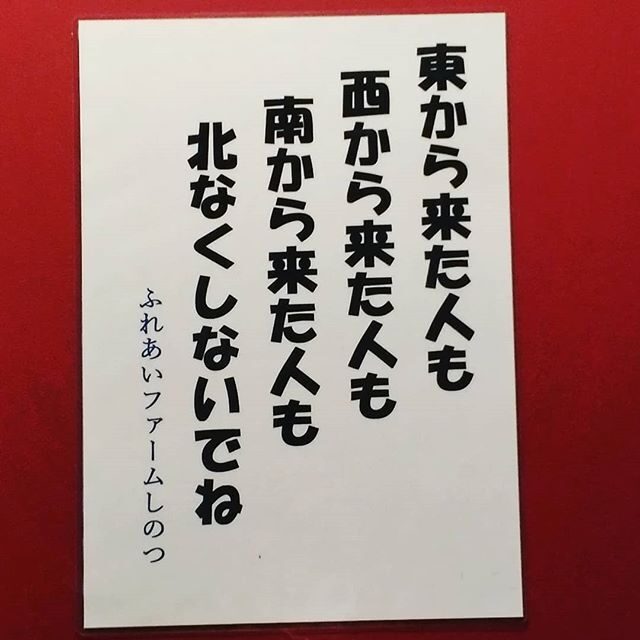

Clauses nest, and the order comes out reversed from English. Build from the noun outward:
| Japanese | Romaji | English |
|---|---|---|
| ケーキ | kēki | a cake |
| 店で買ったケーキ | mise de katta kēki | the cake (I) bought at a shop |
| 駅の前にある店で買ったケーキ | eki no mae ni aru mise de katta kēki | the cake (I) bought at the shop in front of the station |
| 友だちが働いている駅の前にある店で買ったケーキ | tomodachi ga hataraite iru eki no mae ni aru mise de katta kēki | the cake (I) bought at the shop in front of the station where my friend works |
Reading tip: a plain verb followed directly by a noun means you are inside a description. The real ending is still ahead.

Joining two sentences into one
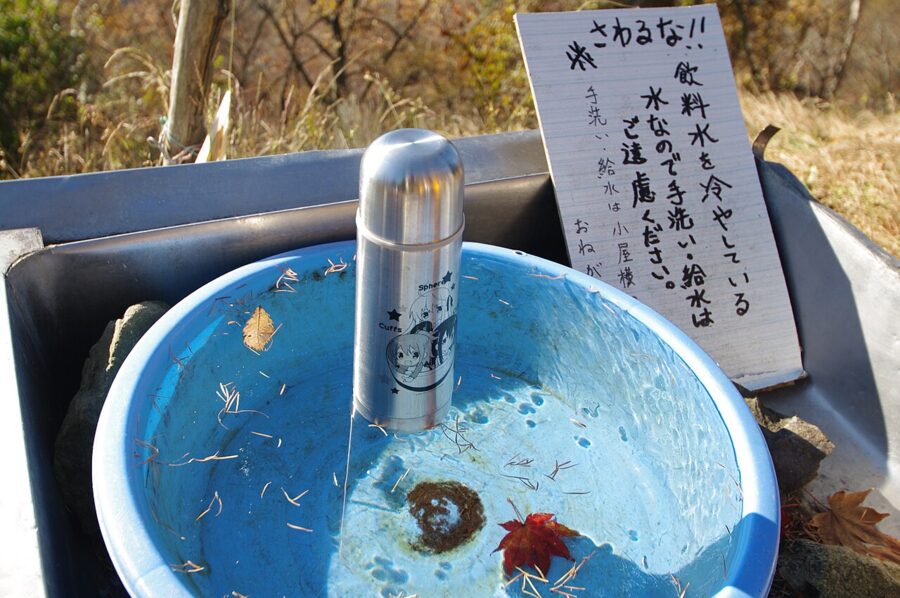
Japanese joins sentences the way it builds everything else. The joined clause comes first with the connecting word at its end, and the main clause comes last, settling tense and politeness for the whole.
The te form: “and then”
The te form links actions in the order they happen. It carries no tense of its own; the final verb decides that. Think of て as a comma that says “and then.”
| Japanese | Romaji | English |
|---|---|---|
| 駅まで歩いて、電車に乗りました。 | eki made aruite, densha ni norimashita. | I walked to the station and got on a train. (polite) |
| 家に帰って、ご飯を食べて、寝ます。 | ie ni kaette, gohan o tabete, nemasu. | I’ll go home, eat and go to bed. (polite) |
から and ので: the reason comes first
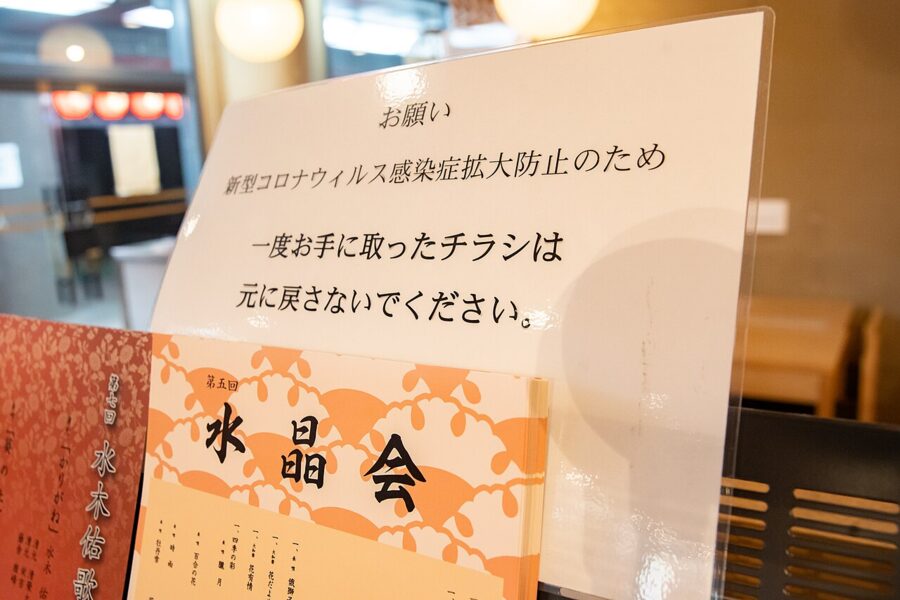
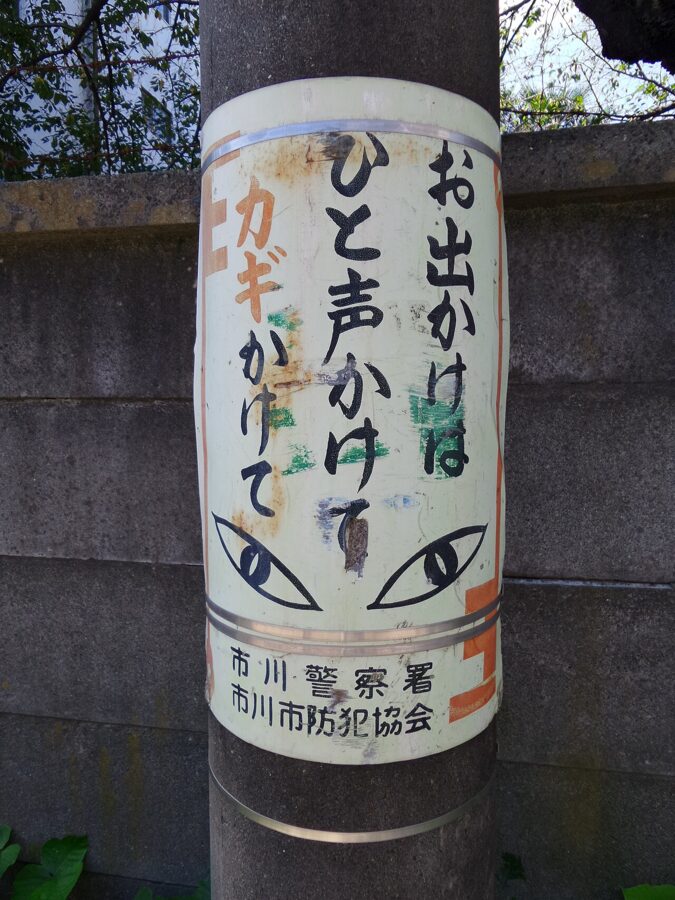
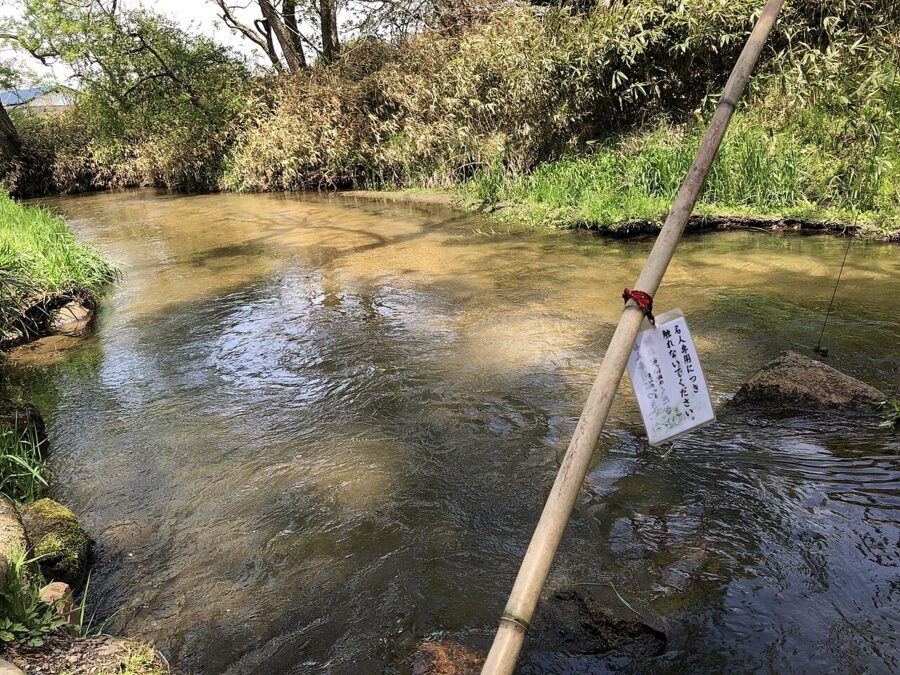
English can put “because” on either side. Japanese puts the reason first. から (kara) is the everyday choice; ので (node) sounds softer, so it turns up in apologies, requests and public signs.
| Japanese | Romaji | English |
|---|---|---|
| 雨が降っているから、行きません。 | ame ga futte iru kara, ikimasen. | It’s raining, so I’m not going. (polite) |
| 遅れたので、タクシーに乗りました。 | okureta node, takushī ni norimashita. | I was late, so I took a taxi. (polite) |
| A: どうして来なかったの? B: 疲れていたから。 | A: dōshite konakatta no? B: tsukarete ita kara. | A: Why didn’t you come? B: Because I was tired. (casual) |

けど and が: “but”
けど (kedo) joins two clauses that pull against each other; が (ga) is the more formal version. This が follows a verb, adjective or です, not a noun, so it is not the subject particle.
| Japanese | Romaji | English |
|---|---|---|
| 高いけど、おいしいです。 | takai kedo, oishii desu. | It’s expensive, but it’s good. (polite) |
| 行きたいですが、時間がありません。 | ikitai desu ga, jikan ga arimasen. | I’d like to go, but I don’t have time. (polite) |
| すみません、ちょっと分からないんですけど… | sumimasen, chotto wakaranai n desu kedo… | Sorry, I don’t quite understand… (polite) |
The last example stops on けど. Leaving the second half unsaid softens a request; the listener fills in “so could you help?”

Questions and negatives only change the end
To make a question, you don’t move anything. Add か to a polite sentence. Question words like 何 (nani, what) and どこ (doko, where) sit where the answer will go.
| Japanese | Romaji | English |
|---|---|---|
| 田中さんは来ますか。 | Tanaka-san wa kimasu ka. | Is Tanaka coming? (polite) |
| 何を食べますか。 ラーメンを食べます。 | nani o tabemasu ka. rāmen o tabemasu. | What will you eat? I’ll eat ramen. (polite) |
| 駅はどこですか。 | eki wa doko desu ka. | Where is the station? (polite) |
| もう食べたの? | mō tabeta no? | Have you eaten already? (casual, rising tone) |

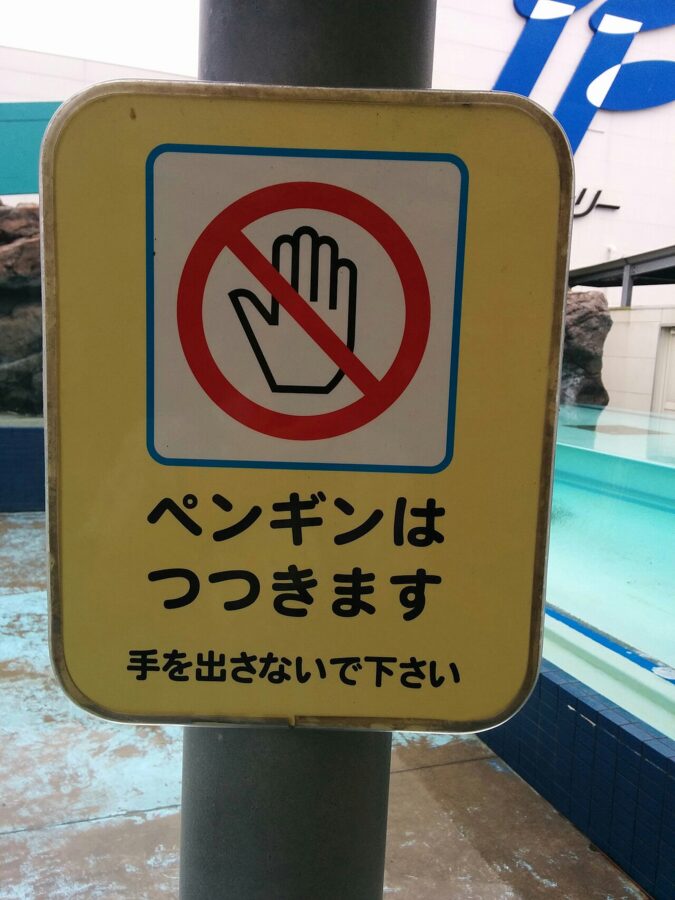
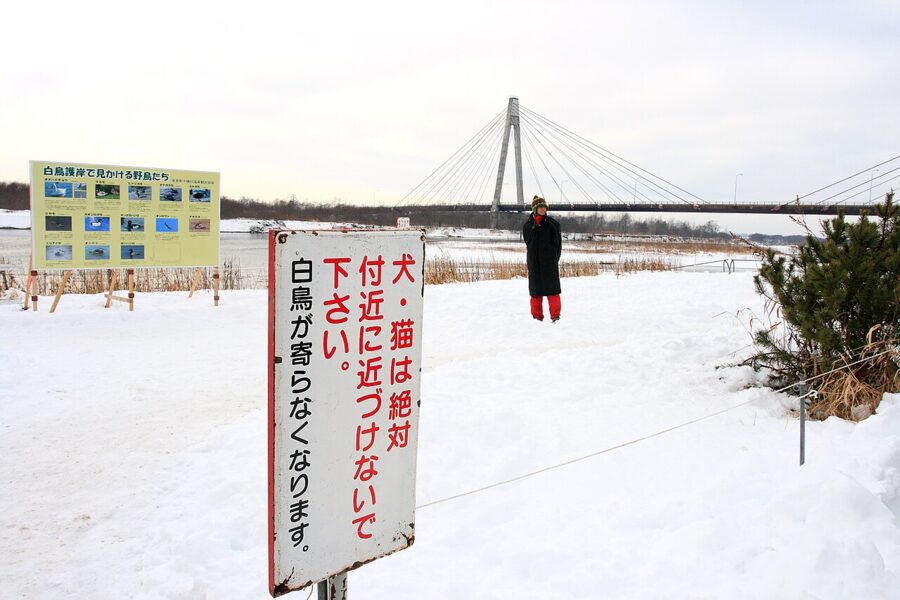
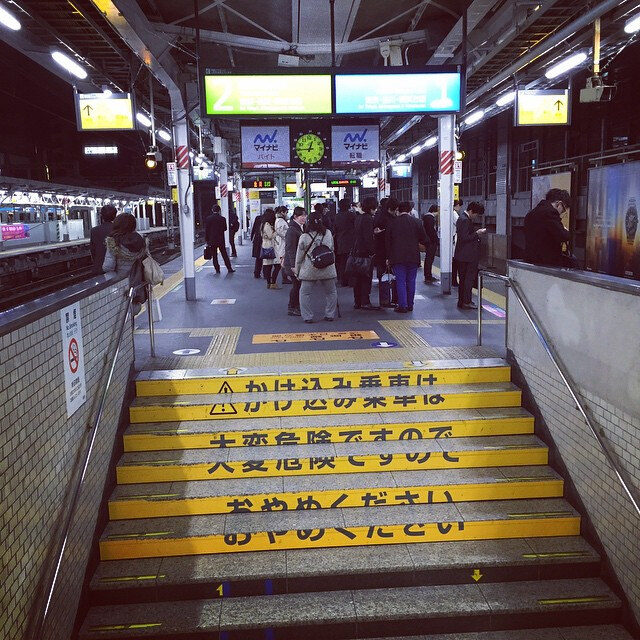
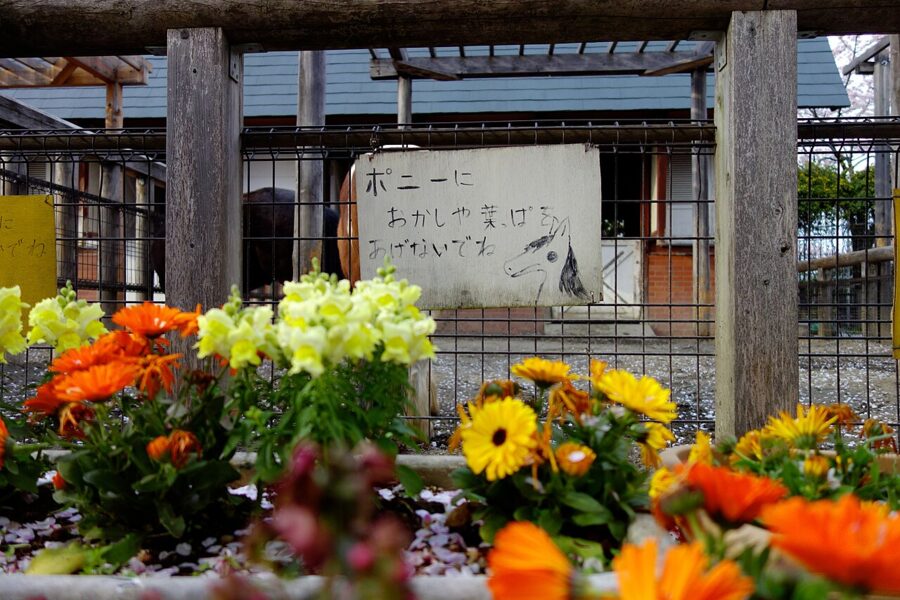
Negatives also live at the end: ます becomes ません, and casual verbs take ない. “Please don’t” is the ない form plus でください, the pattern on most signs here.
| Japanese | Romaji | English |
|---|---|---|
| 肉は食べません。 | niku wa tabemasen. | I don’t eat meat. (polite) |
| 今日は行かない。 | kyō wa ikanai. | I’m not going today. (casual) |
| ここで写真を撮らないでください。 | koko de shashin o toranai de kudasai. | Please don’t take photos here. (polite) |
| 一緒に行きませんか。 | issho ni ikimasen ka. | Won’t you come with me? (polite invitation) |

The last row is the standard polite invitation. Answering negative questions is the trap: はい (hai) agrees with the statement as asked, so 行かないんですか (ikanai n desu ka, “Aren’t you going?”, polite) gets はい、行きません (hai, ikimasen) for “Right, I’m not.” To say you are going, answer いいえ、行きます (iie, ikimasu).
Taking a long sentence apart
Here is a sentence from a handwritten letter, a friend writing about losing work during a lockdown: 私も人が集まる所でギターを弾いていたので、仕事をする場所がなくなってしまって大変です。 Four steps take it apart.
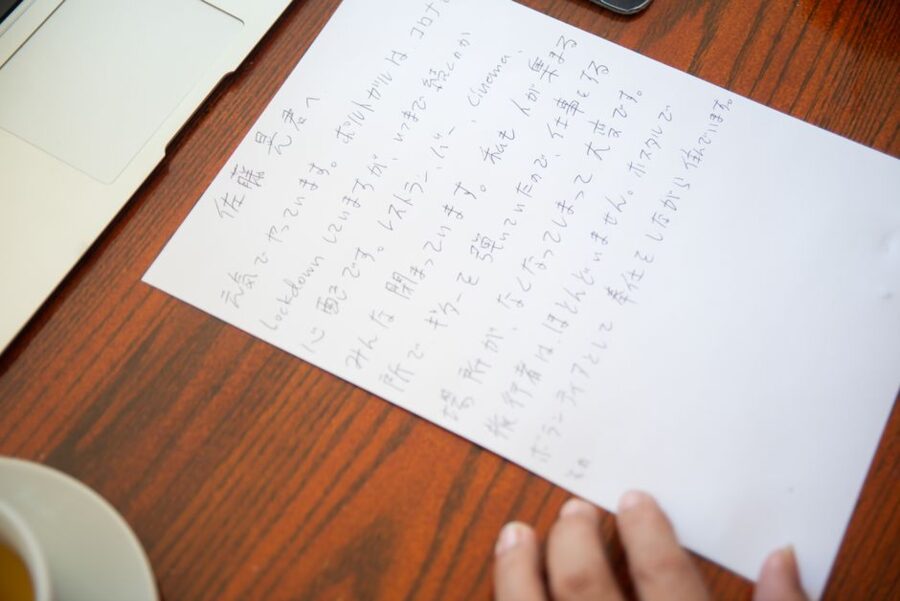
First, find the end: 大変です (taihen desu), “it’s hard” (polite). Second, find the joints: ので (node) after 弾いていた, and the te form なくなってしまって. That gives three chunks: “I was playing guitar”, “the place to work has gone”, “it’s hard.”
Third, find nouns with clauses in front of them. 人が集まる所 (hito ga atsumaru tokoro) is “places where people gather”, and 仕事をする場所 (shigoto o suru basho) is “a place to work.” Fourth, read it through in order: “I, too, was playing guitar in places where people gather, so my places to work have disappeared, and it’s hard.”
| Chunk | Romaji | Job in the sentence |
|---|---|---|
| 私も | watashi mo | topic: “I, too” |
| 人が集まる所で | hito ga atsumaru tokoro de | place, with a clause describing it |
| ギターを弾いていたので、 | gitā o hiite ita node, | reason clause, ends on ので |
| 仕事をする場所が | shigoto o suru basho ga | subject, with a clause describing it |
| なくなってしまって | nakunatte shimatte | te form: “has gone, and” |
| 大変です。 | taihen desu. | the ending that decides everything (polite) |
Practice set
Answer aloud before you check.
- Put in order: コーヒーを / 毎朝 / 飲みます / 父は
- Make it a question: 田中さんは来ます。
- Make it negative, keeping it polite: 日本語で話します。
- Join with から: 疲れました。早く寝ます。
- Turn this sentence into a description of 本: 私は昨日本を買いました。
- Translate: 母の作ったカレーはおいしいです。
- In 東京は人が多いです, what is the topic and what is the subject?
- Someone asks 行かないんですか. You are going. Answer.
Answers. 1: 父は毎朝コーヒーを飲みます (chichi wa maiasa kōhī o nomimasu), “My father drinks coffee every morning” (polite). 2: 田中さんは来ますか。 3: 日本語で話しません。 4: 疲れたから、早く寝ます (tsukareta kara, hayaku nemasu), “I’m tired, so I’ll go to bed early” (polite).
5: 昨日買った本 (kinō katta hon), “the book (I) bought yesterday”: 私は drops out, 本 moves to the end and the verb goes plain. 6: “The curry my mother made is good” (polite). 7: The topic is 東京, the subject of 多い is 人. 8: いいえ、行きます。
If any of those tripped you up, write the original and the answer on the two sides of a card and add them to your flashcards; whole sentences make better cards than single words. When the set feels easy, the grammar quiz mixes these structures with particles and verb forms.
Then go back to that row of boards in the forest and read them once more, slowly, holding each piece until the last one lands. Do that with every sign you meet this week, and the wait for the end of a Japanese sentence will start to feel like the point.