
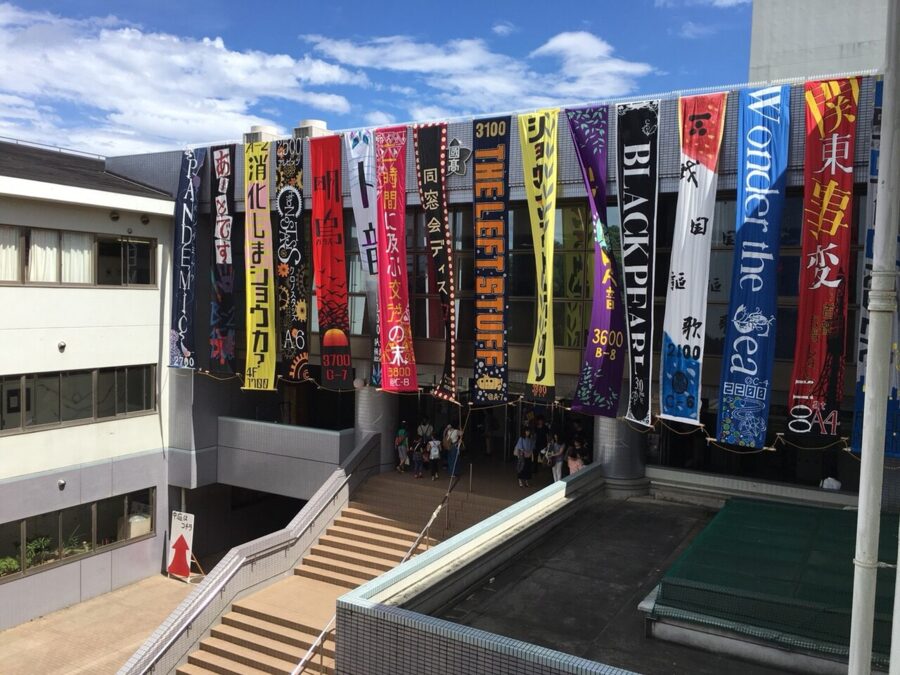
Kunitachi High School in western Tokyo held its 2026 culture festival on the last weekend of August, and nobody could just walk in. Visitors applied online in groups of up to four, were given a three-hour slot, and entered a lottery for seats at the third-year class plays. That is how much demand a school festival can draw in Japan, and most of what those visitors came to see was planned, built and run by teenagers.

The festival goes by three common names. 文化祭 (bunkasai, “culture festival”) is the word most junior and senior high schools use. 学園祭 (gakuensai, “school festival”) and 大学祭 (daigakusai, “university festival”) belong mostly to universities, and students shorten both to 学祭 (gakusai).
If you follow Japanese culture through anime, you have already met all three. Below are the words, what happens behind them, and how to get through the gate of a real one. Dates and rules are as of November 2026.

目次 Contents
Bunkasai, gakuensai, daigakusai: which word for which festival
The school version is part of the curriculum. The Ministry of Education’s course guidelines list 文化的行事 (bunkateki gyōji, “cultural events”) among the school events every junior and senior high school runs, with the stated aim of letting students present what they have learned all year and raise their own motivation. That is why attendance is compulsory and why each homeroom class is the basic unit. Elementary schools hold the same kind of event as a 学芸会 (gakugeikai, “school arts show”).
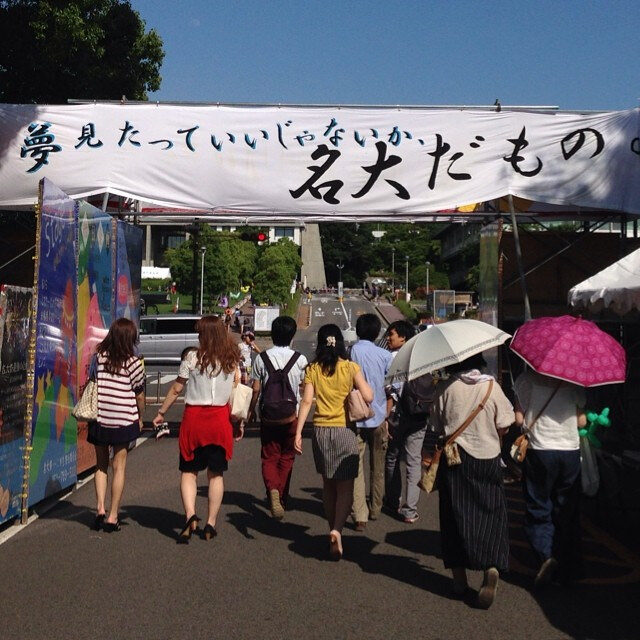
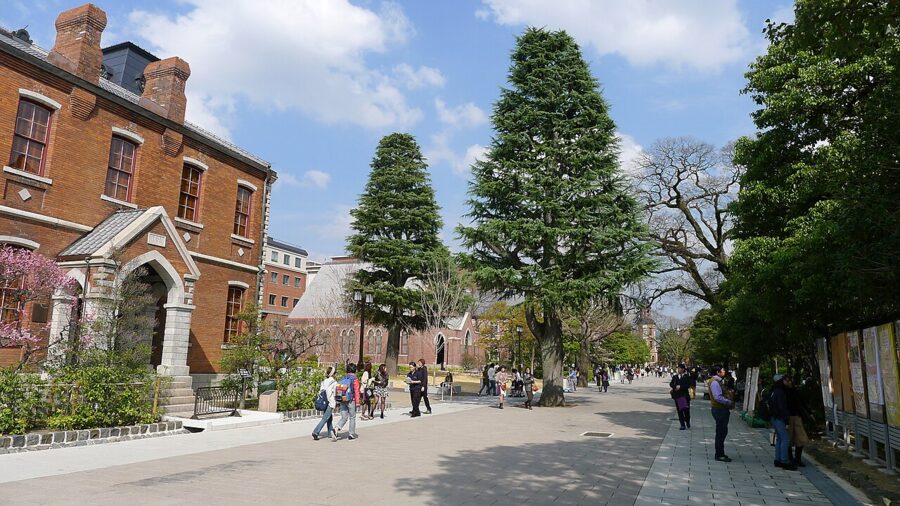
University festivals sit outside the timetable. Nobody has to take part, a student 実行委員会 (jikkō iinkai, executive committee) runs it with the university’s approval, and the program comes from clubs, circles and seminar groups. The University of Tokyo’s May festival held its 99th edition in 2026.
| Word | Reading | Who uses it | When |
|---|---|---|---|
| 文化祭 | ぶんかさい (bunkasai) | Junior and senior high schools, some universities | Often September; some in June or around Culture Day |
| 学園祭 | がくえんさい (gakuensai) | Universities, some high schools | Mostly October and November |
| 大学祭 | だいがくさい (daigakusai) | Universities | Mostly autumn; a few in May or June |
| 学祭 | がくさい (gakusai) | Casual short form of the two above | Same |
| 学芸会 | がくげいかい (gakugeikai) | Elementary schools | Varies by school |
In practice the generic words are what you say, and the festival’s own name is what you search for. Schools name theirs after a tree, a place or the campus, which is how you get Shirakashi-sai, Komabasai and Mita-sai. Many university festivals sit near 文化の日 (Bunka no Hi), Culture Day, the national holiday on November 3.

What students run
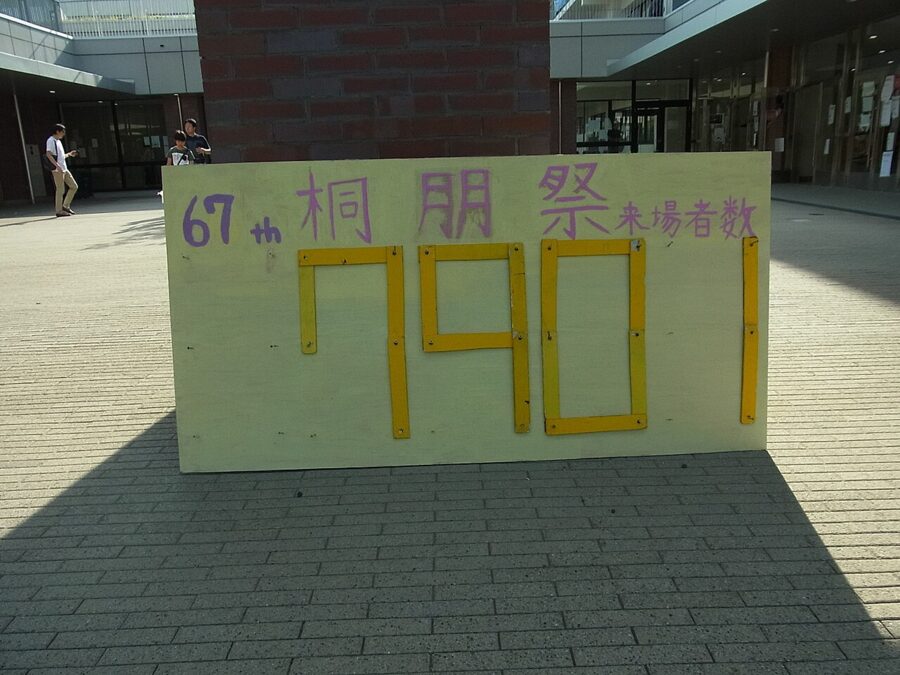
Each class agrees on one project in homeroom, and the school approves the budget and sets the rules. A 2020 LINE Research survey of high school students put dance, food and drink stands and band concerts at the top of what classes actually did. Haunted houses and maid cafes missed the top ten but turn up at a great many schools.

Class stalls and the yakisoba stand
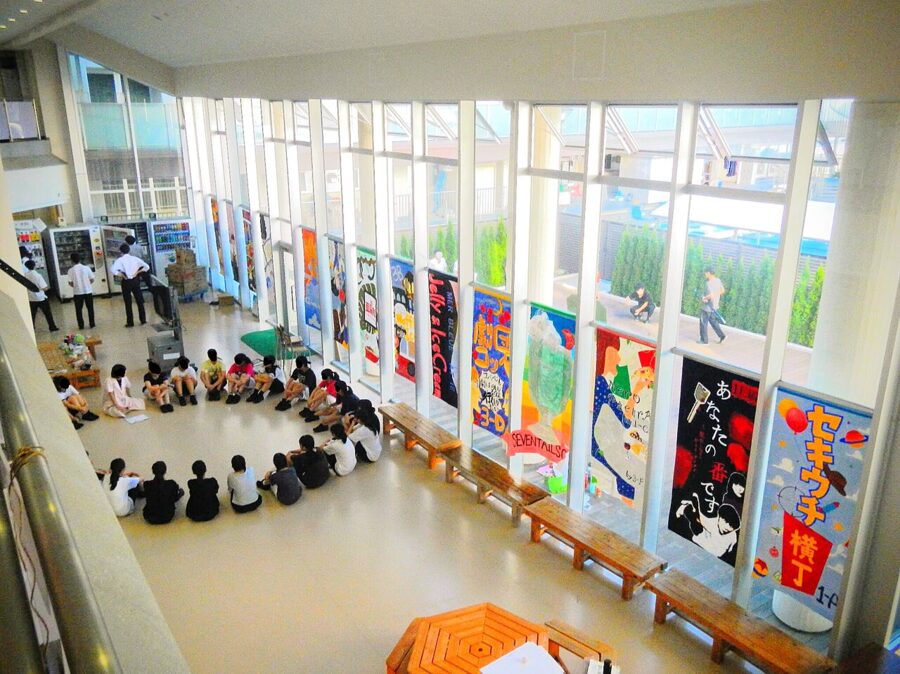
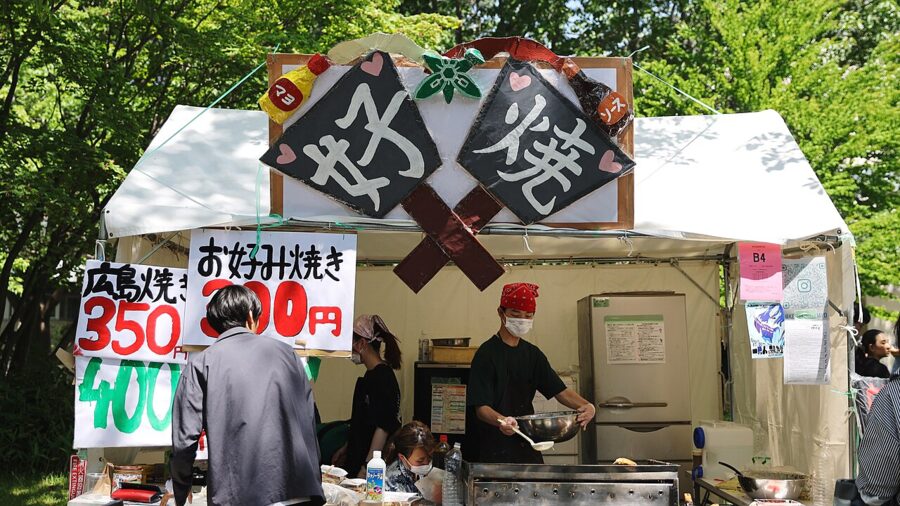
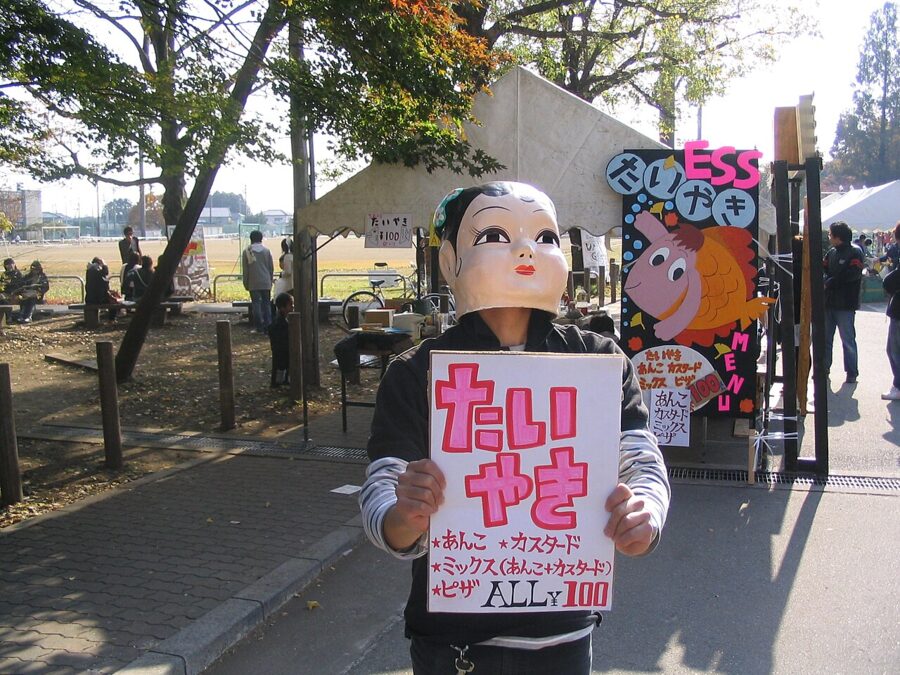
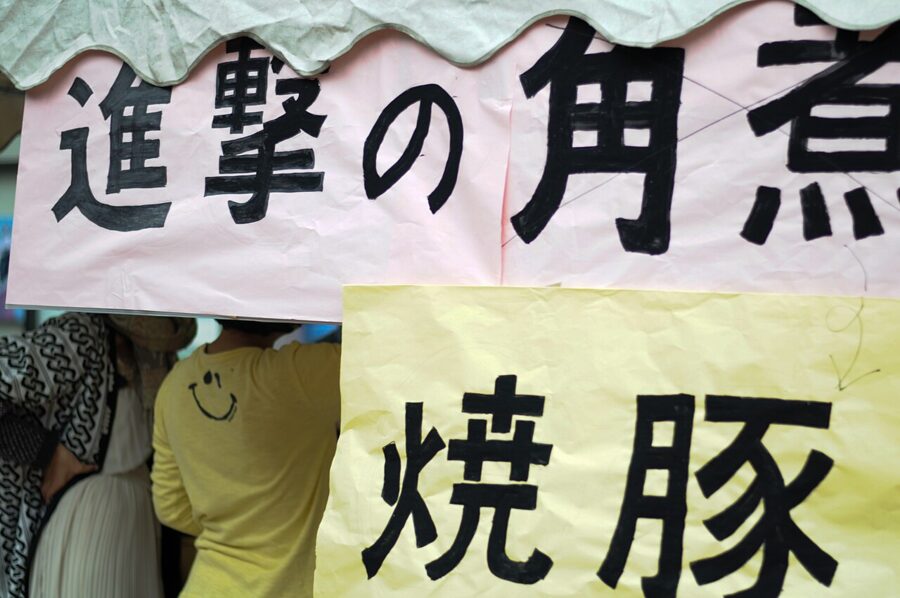
A food stall is a 模擬店 (mogiten). The word literally means “mock shop,” and the dictionary entry for 模擬店 places it at garden parties and school festivals, with an example from a 1905 magazine. At a school it means a tent in the yard or a classroom with a counter, selling yakisoba, crepes, hot dogs, takoyaki or drinks.
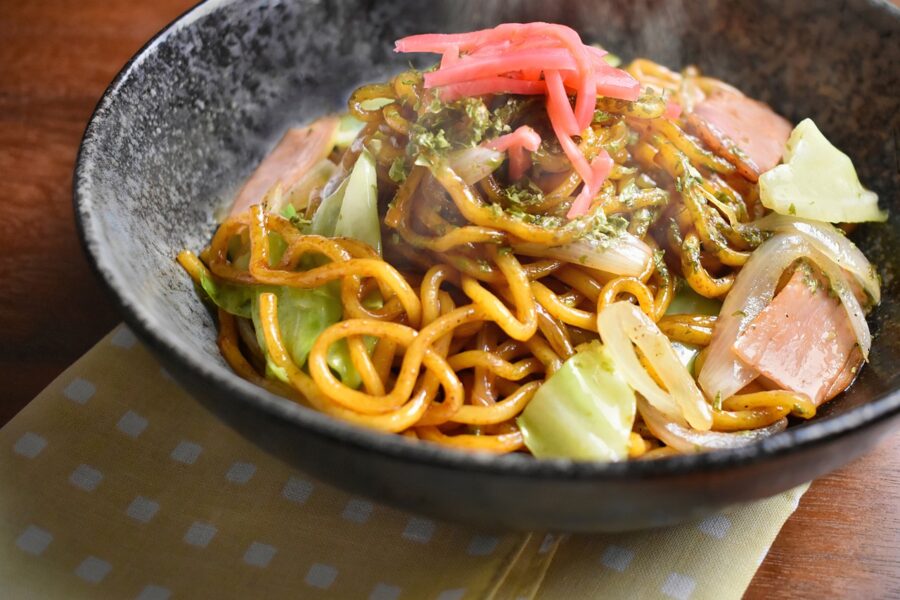
Yakisoba is the classic because it is cheap, cooks fast and smells good from across the yard. If you know Japanese food from restaurants, festival yakisoba is the rougher cousin: thick sauce, cabbage, a little pork and a pile of red pickled ginger. University stalls are bigger operations, because clubs use them to raise money. Hokkaido University’s 2024 festival had okonomiyaki tents pricing a plate at 300 yen (about $2).

Food rules are tight, and for good reason. In 2008, visitors to Nagoya University’s festival got food poisoning from crepes made with batter prepared too early, and the local health center told the festival committee to tighten its hygiene.


Haunted houses and maid cafes
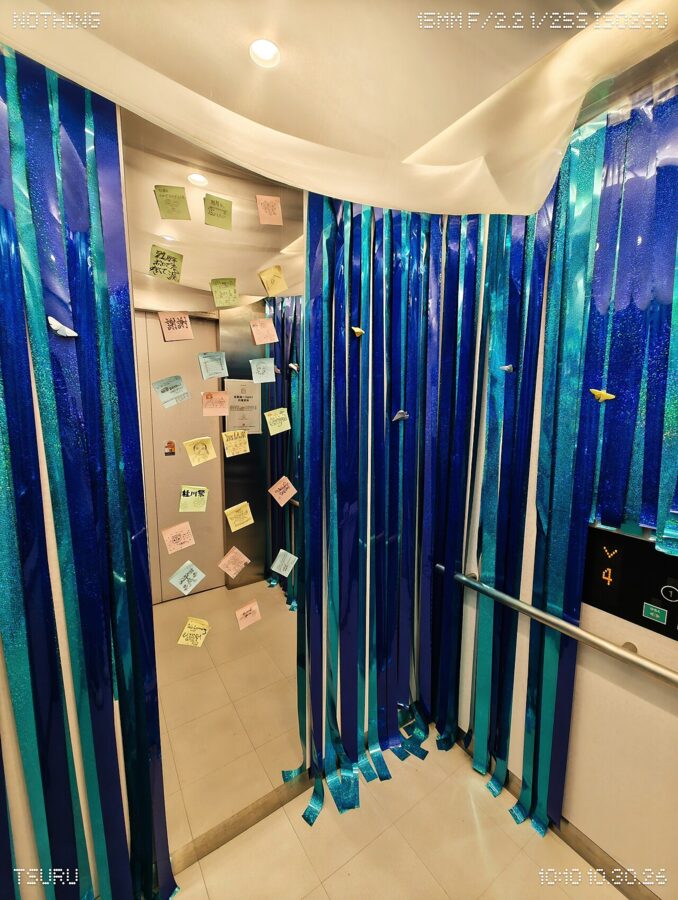
The お化け屋敷 (obake-yashiki, haunted house) is the classroom project that takes the most building. Students black out the windows, build a corridor from cardboard and fabric, and take turns lying in wait. The ghosts are often the classic ones from traditional Japanese ghost stories: a woman in white with long black hair, or one counting plates by a well.
The other favorite is a themed cafe. A メイド喫茶 (meido kissa, maid cafe) or 執事喫茶 (shitsuji kissa, butler cafe) is a joke the whole class is in on: tea, a cookie and a costume. Whether it is allowed is the school’s call, so you will find one at some festivals and never at others.

Plays, bands and club shows
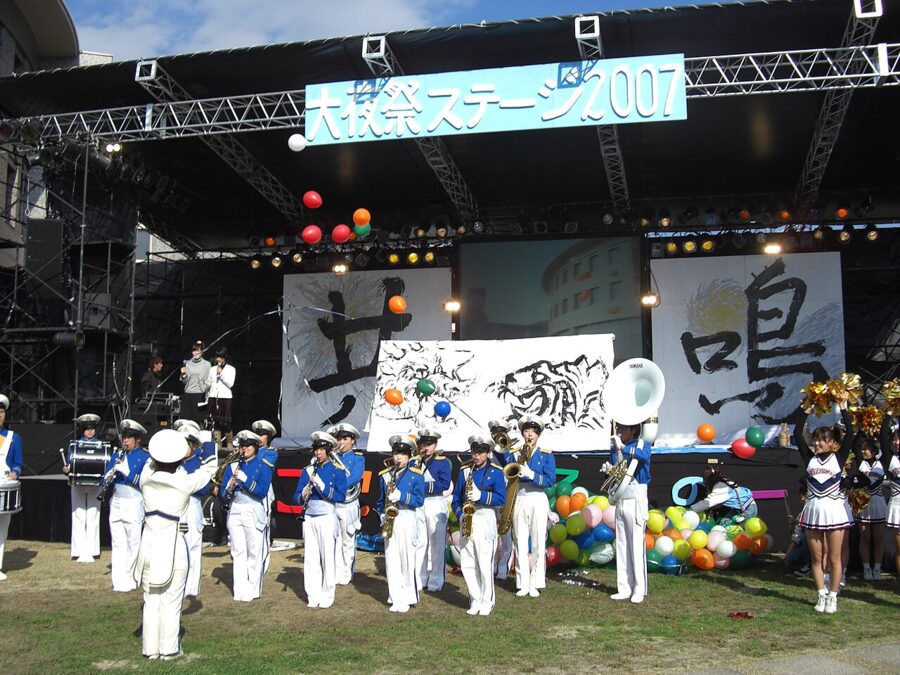
The gym stage carries the rest of the program. Classes put on plays, and at some schools one year group owns the tradition, like Kunitachi’s third years. The light music club plays a set, the dance club performs, and the brass band fills the gaps. A class play has little to do with kabuki or the rest of Japanese theater: the class writes or adapts its own script and rehearses for weeks.
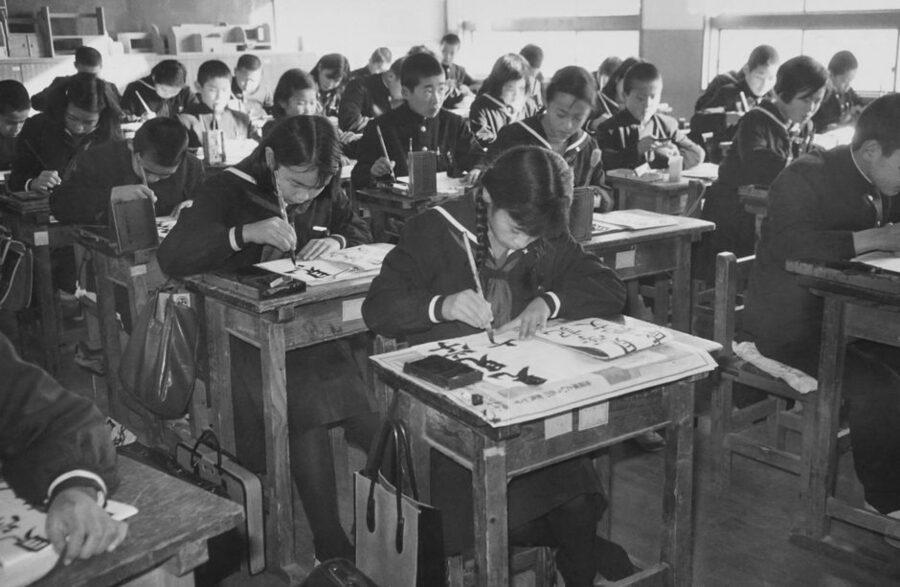
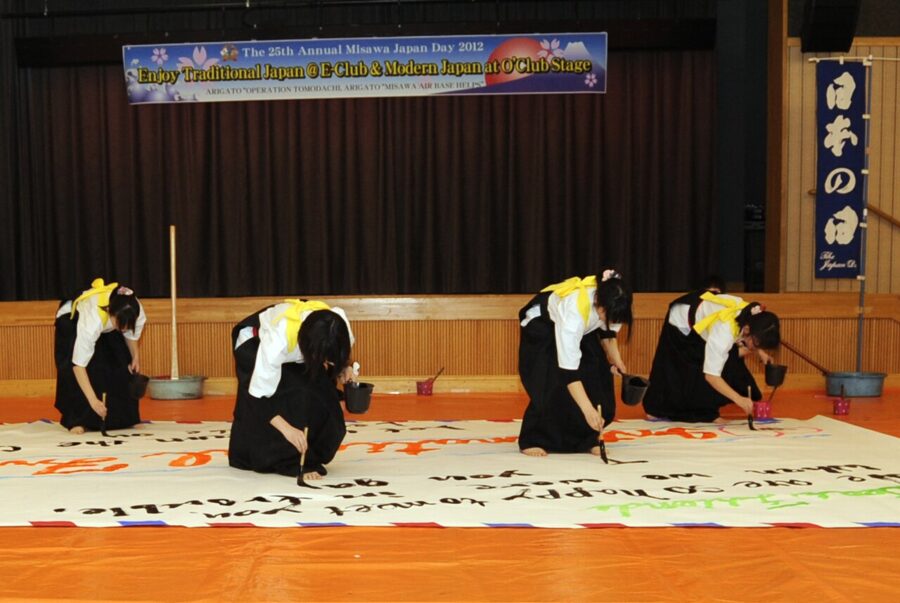
Culture clubs use the day to recruit. The art club hangs its canvases, the calligraphy club its scrolls, the photography club its prints, and the railway club sets up its model layout. For culture clubs it is the one day a year to show their work to parents and to the junior high students who might join next spring.


The committee and the senpai
Behind every stall sits the 文化祭実行委員会 (bunkasai jikkō iinkai), the festival executive committee. It allocates rooms, checks budgets, runs the opening ceremony, and at many schools works most of the year. Teachers advise, but students plan. At Shinagawa Joshi Gakuin, a Tokyo girls’ school, classes even set up a company, sell a product they designed and close the books at a shareholders’ meeting.
Festival prep is also where the 先輩 (senpai, older student) and 後輩 (kōhai, younger student) relationship shows most. You will hear senpai used as a title after a name, the way Japanese suffixes like -san work: 田中先輩 (Tanaka-senpai).

The words a learner meets
For anyone learning Japanese, these are the words on posters, in anime and in students’ mouths. Learn them as a set, because they come together: a learner who knows mogiten and seiriken can buy lunch and see the play. Drill them the way you would any vocabulary flashcards, kana side first.
| Japanese | Reading | Meaning |
|---|---|---|
| 模擬店 | もぎてん (mogiten) | food or goods stall |
| お化け屋敷 | おばけやしき (obake-yashiki) | haunted house |
| 出し物 | だしもの (dashimono) | a class’s or club’s show or attraction |
| 実行委員会 | じっこういいんかい (jikkō iinkai) | executive committee |
| 先輩 / 後輩 | せんぱい / こうはい (senpai / kōhai) | older student / younger student |
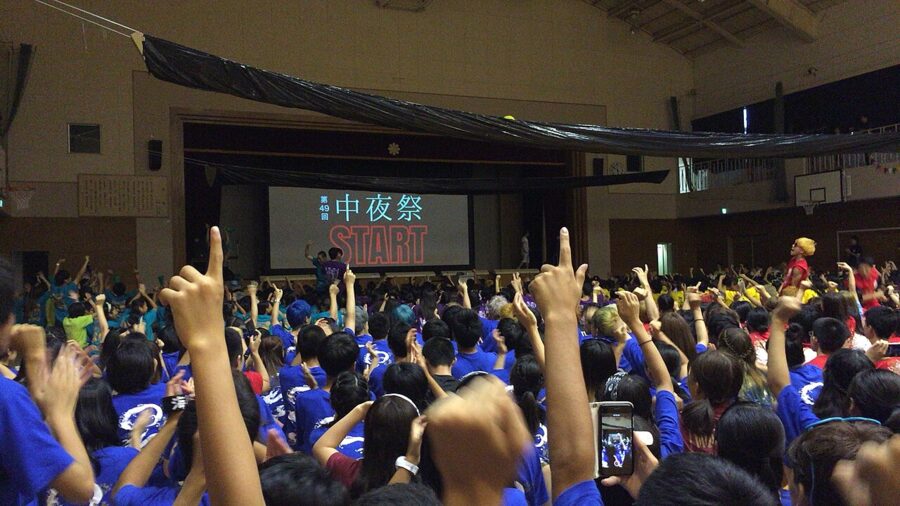
| 前夜祭 / 後夜祭 | ぜんやさい / こうやさい (zen’yasai / kōyasai) | eve-of-festival event / closing night event |
| 一般公開 | いっぱんこうかい (ippan kōkai) | open to the general public |
| 招待券 | しょうたいけん (shōtaiken) | invitation ticket |
| 整理券 | せいりけん (seiriken) | numbered ticket for a timed show |
| 事前申込 | じぜんもうしこみ (jizen mōshikomi) | advance registration |
| クラT | クラティー (kura-T) | class T-shirt (casual) |
Kōyasai is the one anime fans know. Dictionaries define it as the closing event on the last night, and the big historical dictionary mentions the “fire storm,” a bonfire students dance around. Whether a school still lights one depends on its fire rules and its neighbors.
Six sentences cover a visit. All are polite (desu/masu), which is right for talking to students you don’t know:
| Japanese | Romaji | English |
|---|---|---|
| 文化祭に来てください。 | Bunkasai ni kite kudasai. | Please come to the culture festival. |
| うちのクラスはお化け屋敷をやります。 | Uchi no kurasu wa obake-yashiki o yarimasu. | My class is doing a haunted house. |
| 焼きそば、一つください。 | Yakisoba, hitotsu kudasai. | One yakisoba, please. |
| 整理券はどこでもらえますか。 | Seiriken wa doko de moraemasu ka. | Where can I get a numbered ticket? |
| 写真を撮ってもいいですか。 | Shashin o totte mo ii desu ka. | May I take a photo? |
| 先輩、お疲れさまです! | Senpai, otsukaresama desu! | Thanks for your hard work, senpai! |
How festivals look in anime and manga, and how real ones differ
The school festival is one of the most reliable episodes in anime. K-On! gives a whole episode to the light music club’s first festival concert, The Melancholy of Haruhi Suzumiya gives its band scene to the festival stage, and the 1984 film Urusei Yatsura 2: Beautiful Dreamer traps its students in the day before the festival, repeating forever. On screen, the festival gives every character a reason to stay late.


Real ones are more tightly managed. Kunitachi’s public hours in 2026 ended at 4:30 p.m., high school festivals are alcohol-free, and the confession under the bonfire happens mostly on screen. Universities set their own limits: Komabasai bans drinking across the campus during the festival, and Kyoto University’s November Festival makes drinkers wear an “alcohol passport” and bans bringing your own.
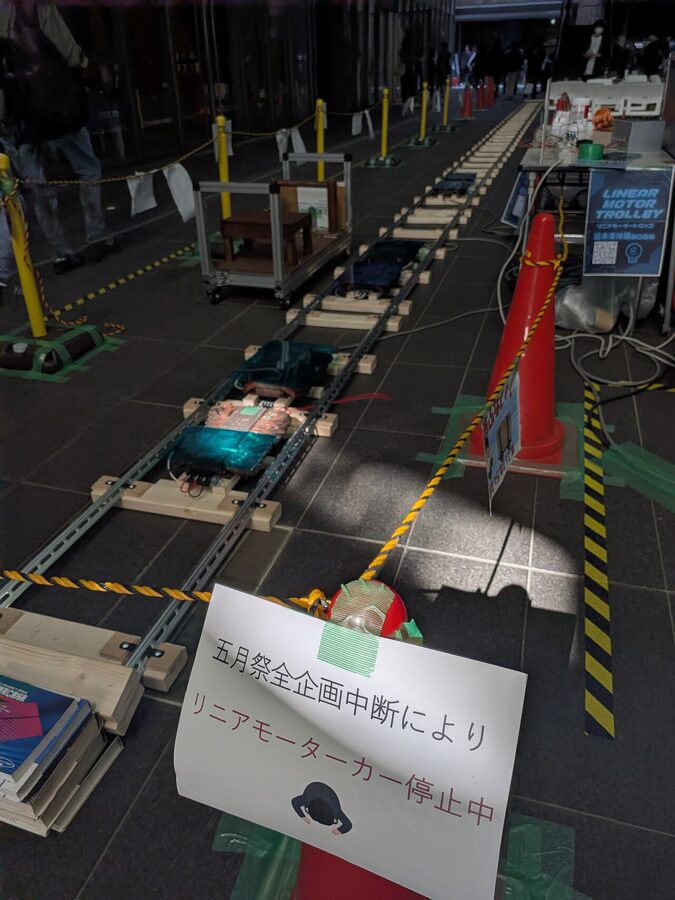
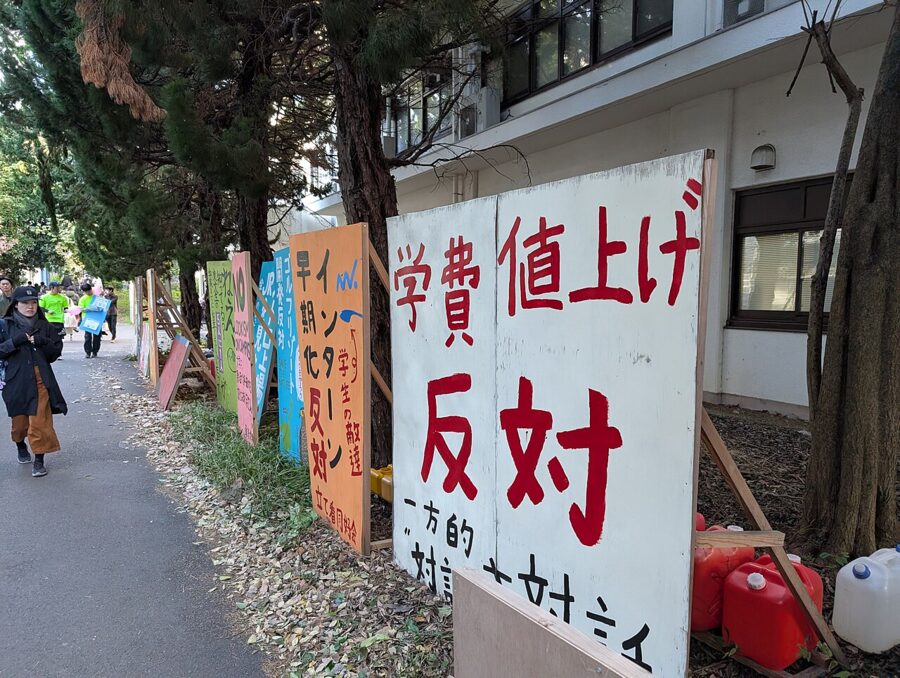
Real festivals also carry real news. In 2020, 40 percent of high school students in the LINE survey said their festival was not held at all, and many that came back in 2021 admitted parents only. On May 16, 2026, the University of Tokyo’s Gogatsusai called off every event on its first day for safety reasons, then reopened the next morning after checking the campus.
Visiting a school festival
University festivals are the easy door. They are built for outsiders, they run over weekends and national holidays, and many need no ticket at all: Komabasai states plainly that entry is free with no reservation. High school festivals are a school-by-school decision, and many limit who can come.
High schools: read the notice first
Look on the school’s website for the festival page, then for the words 一般公開 (ippan kōkai, open to the public), 事前申込 (jizen mōshikomi, advance registration) or 招待制 (shōtaisei, invitation only). Kunitachi’s rules for 2026 are a good model of the strict end: applications by email link, a named representative of junior high age or older, children counted in the group, no transfers, no walk-ins. Other schools open one day to everyone and keep the other for parents and invited guests.
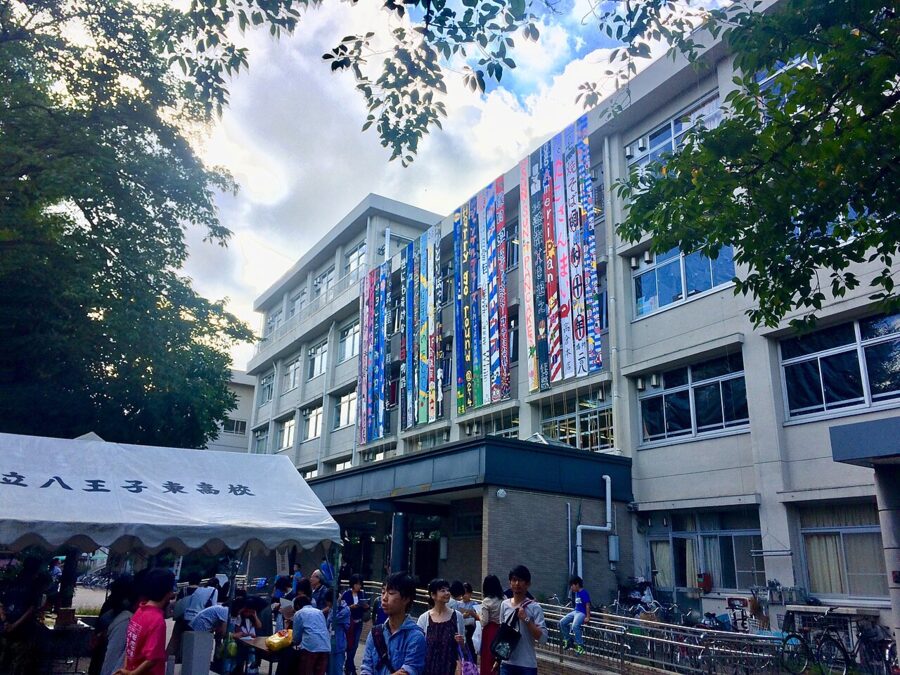
Timing varies more than the “autumn festival” reputation suggests. Kokubunji and Hachioji Higashi, two Tokyo public high schools, both held theirs in early September 2017, Toho’s has been held in June, and Kunitachi’s was in August in 2026. Search the school’s name with 文化祭 and the year, and the date and entry rules usually appear on its own site.

The big university festivals in Tokyo and Kyoto
These are the 2026 dates from each committee’s own site. They shift a little each year, so check again before you go.
| Festival | University and campus | 2026 dates |
|---|---|---|
| 五月祭 (Gogatsusai, 99th) | University of Tokyo, Hongo and Yayoi | May 16-17 (day one called off) |
| 早稲田祭 (Waseda-sai) | Waseda University, Tokyo | November 7-8, from 10:00 |
| 三田祭 (Mita-sai, 68th) | Keio University, Mita | November 20-23 |
| 駒場祭 (Komabasai, 77th) | University of Tokyo, Komaba I | November 21-23 |
| 11月祭 (November Festival, 68th) | Kyoto University, Yoshida | November 20-23 |
| 同志社EVE (Doshisha EVE, 151st) | Doshisha University, Imadegawa | November 26-28 |
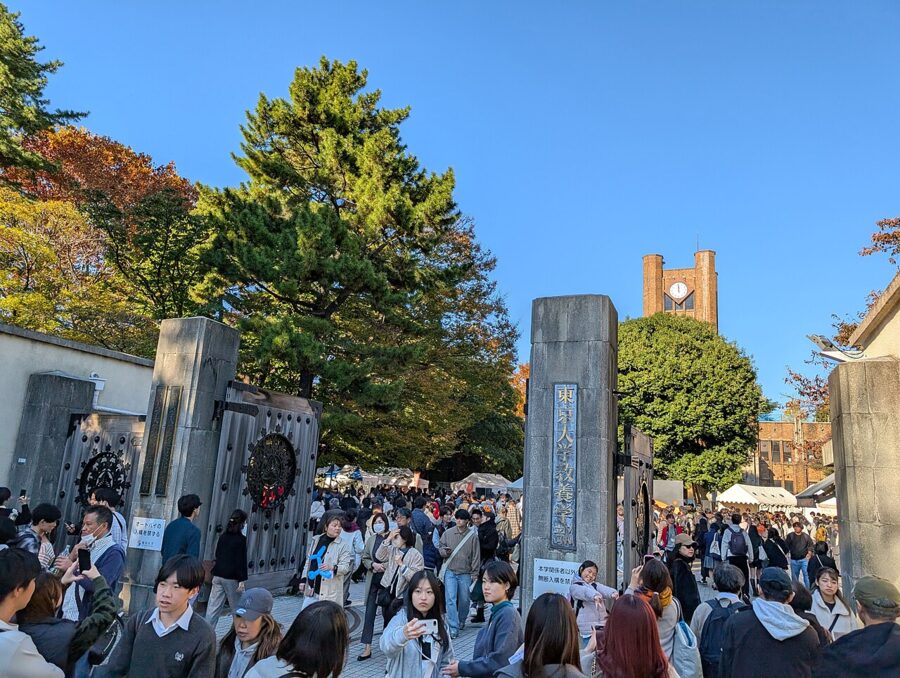
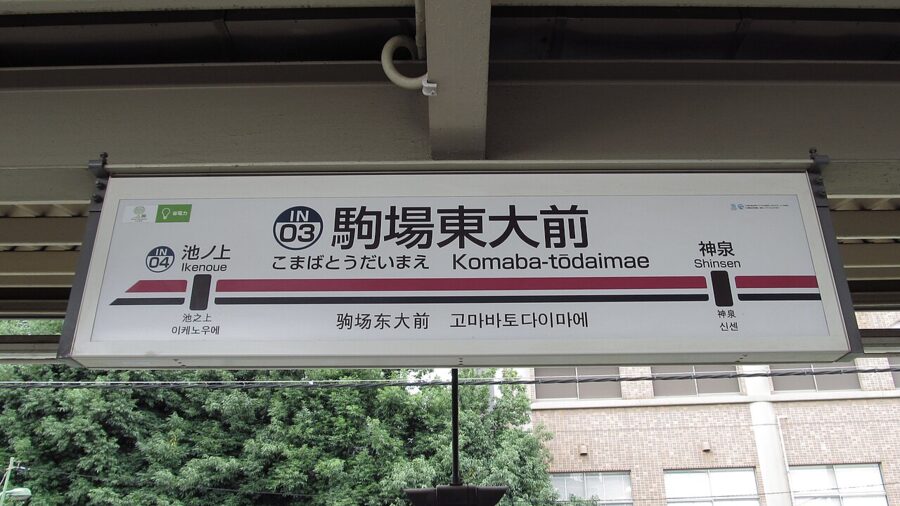

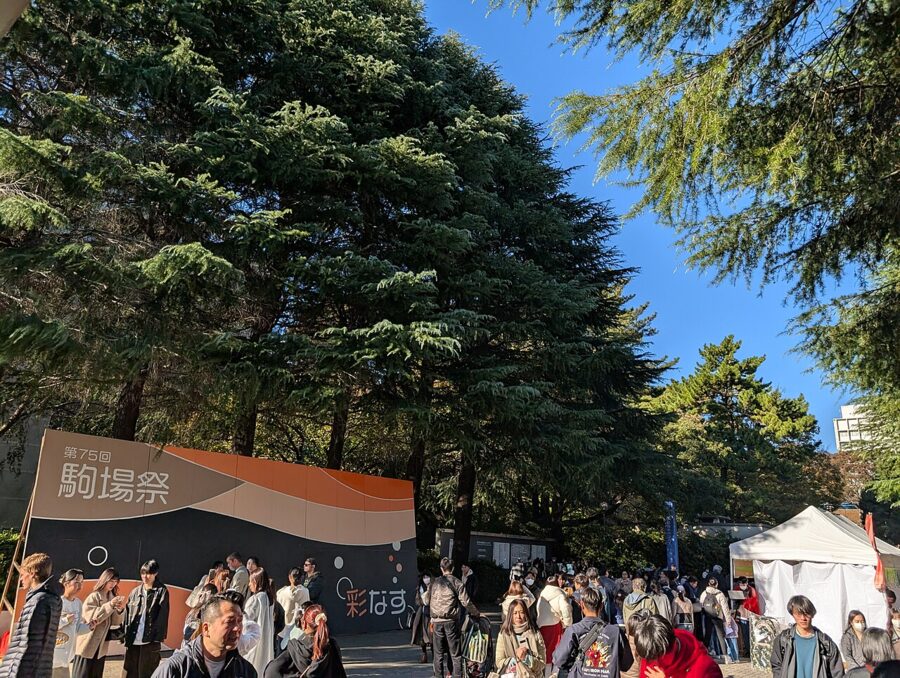
Komabasai is the University of Tokyo’s autumn festival, run on the campus where first- and second-year students study, and its 2026 theme was まほろば (mahoroba), an old word for a fine, peaceful land. Mita-sai at Keio runs the same weekend, so November 23, Labor Thanksgiving Day, falls inside both. Waseda-sai comes two weeks earlier and opens at 10:00 on both days.
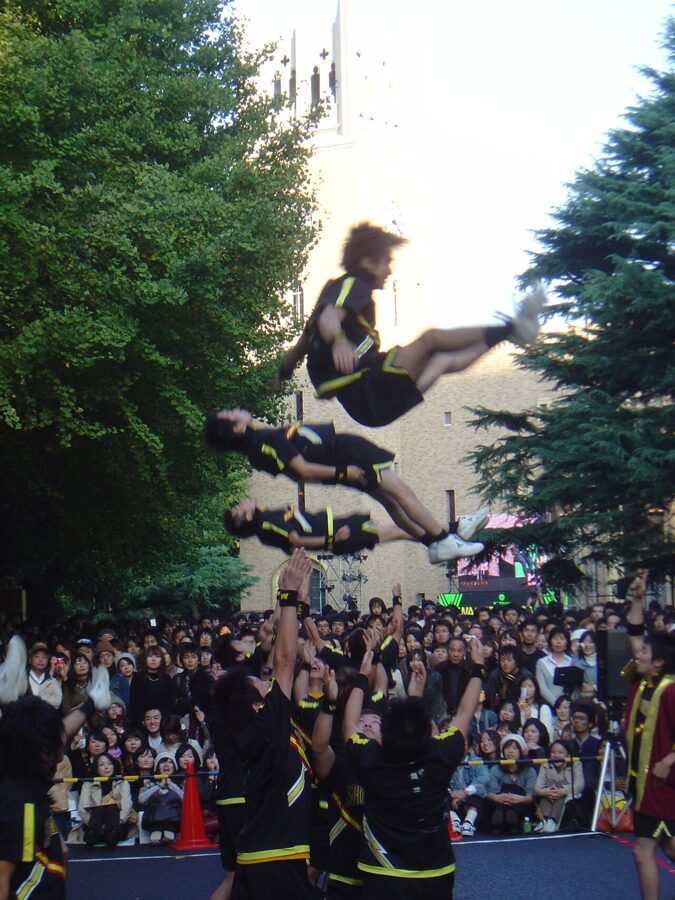

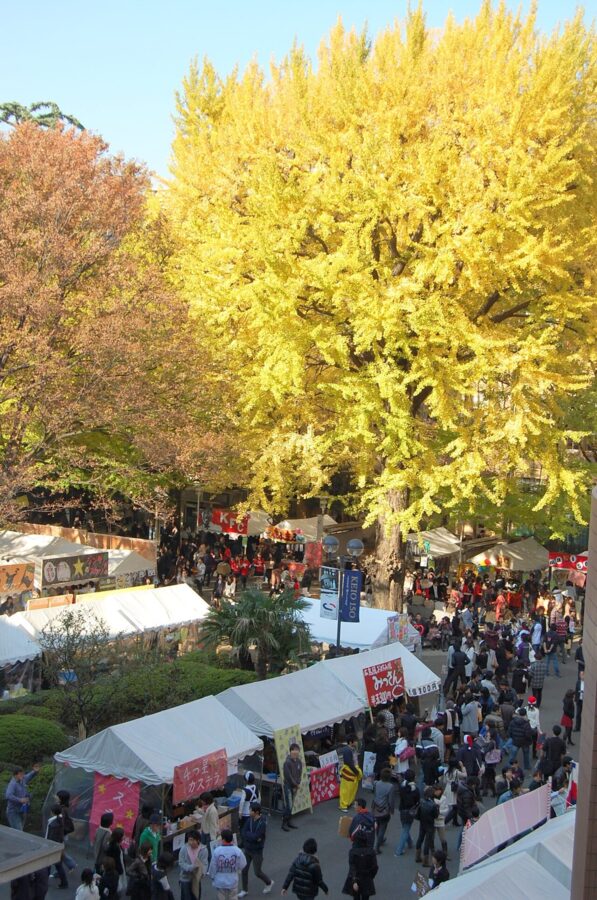

In Kyoto, Kyoto University’s November Festival, known as NF, calls itself one of the largest university festivals in Kansai and listed more than 400 student projects in 2026. Doshisha EVE celebrates the university’s founding day, November 29, with three public days just before it, on the Imadegawa campus a minute’s walk from Imadegawa Station on the Karasuma subway line.


Etiquette
- Ask before photographing students. Use 写真を撮ってもいいですか, and take a no gracefully. NF’s visitor notes, for one, warn that some projects restrict photos.
- Carry coins. Stalls price in round numbers like 100 or 300 yen.
- Follow the shoe rule. If a high school notice says スリッパ持参 (surippa jisan), bring slippers and a bag for your shoes.
- Take rubbish to the marked points, and leave the pets at home.
- Don’t drink on campus unless the festival’s own rules allow it.
Sports day, the other big event
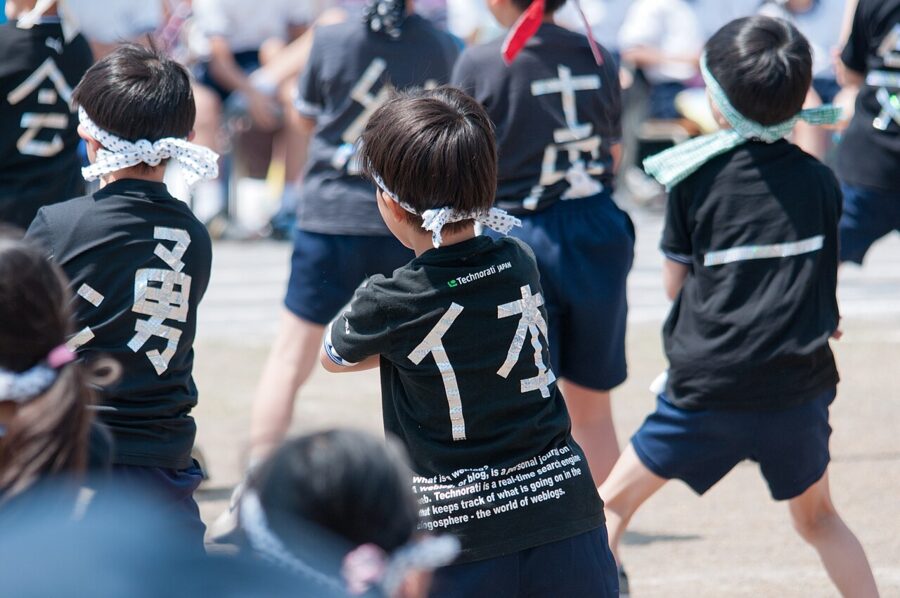
The festival’s sibling is sports day: 運動会 (undōkai) at elementary schools, usually 体育祭 (taiikusai) at junior and senior high. Classes or colored teams compete in relays, tug of war, cheering and mass dances, and parents bring picnic mats. Japan also keeps a national Sports Day holiday (スポーツの日) on the second Monday of October, first created to mark the 1964 Tokyo Olympics.
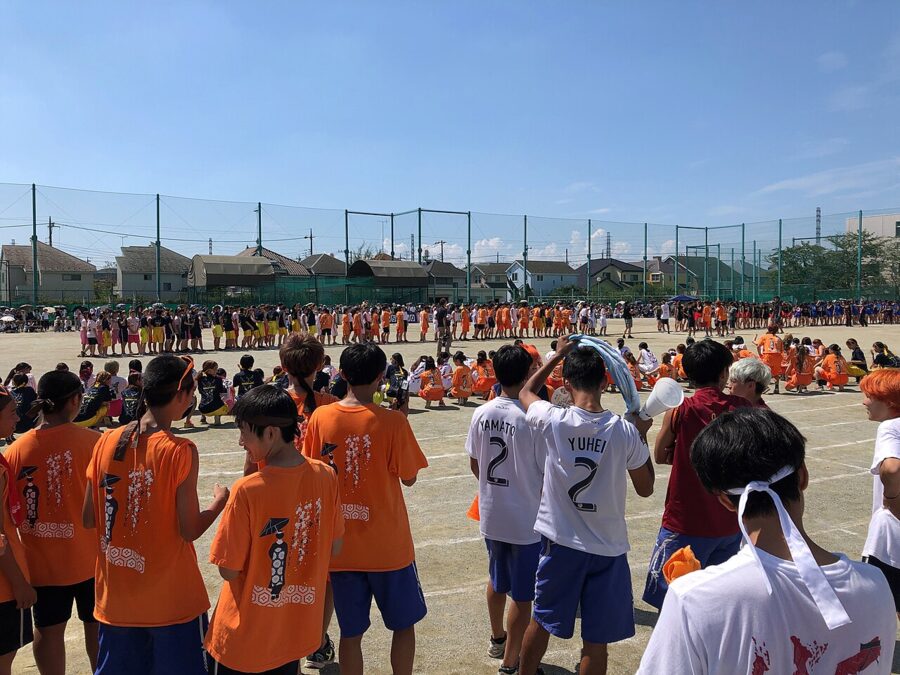

Sports day no longer has one season. Tokyo’s Toshima Ward reported in December 2025 that 9 of its elementary schools held sports day in late May or early June that year and 13 in October or November, while 7 of its 8 junior highs went with spring. The same report said human pyramids and towers would be banned in principle from the 2026 school year, and that schools had asked families not to post sports-day photos on social media. Both events have fixed places in the Japanese school year, which starts in April.

Kunitachi’s lottery is the extreme case, but every festival rewards a visitor who can read its notice and order at its stalls. Say this one out loud until it is automatic: 焼きそば、一つください. The first student behind a hot plate who hears it will grin, and you will have used your Japanese at the one school event built to welcome strangers.