

In January 1990 an Osaka-born office worker took a marriage problem to a Kansai TV show. Whenever he argued with his Tokyo-born wife, she called him ばか (baka) and he called her あほ (aho), and each word cut far deeper than the speaker meant, because each was the harsher word in the other’s dialect. He asked the program to find out where, between Tokyo and Osaka, “baka” stops and “aho” starts.
That is Japanese swearing in one story. The words themselves are small, often childish, and their sting depends on who says them, where, to whom, and in which grammar. Below are the words you will actually hear, how strong each one is, the grammar that turns a polite sentence rude, the handful of words that are off limits for good, and what to say if someone turns any of this on you.
If you are learning Japanese from anime, you already know a few of these. The trouble is that anime teaches the words without the social price tag. I would learn them the way you learn a hot stove: well enough to recognize, carefully enough never to touch by accident.



目次 Contents
Why Japanese has so few true swear words
English swearing draws on religion, sex and the body, and the words are dirty in themselves. Japanese has only one everyday word in that family, くそ (kuso), and it is closer to “crap” than to anything that would get bleeped. Words for sex exist, but people do not throw them around as exclamations the way English speakers do.
So Japanese does its damage another way, one that grows out of how Japanese culture handles rank and distance. Every sentence carries a politeness level, and every “you” carries a relationship. Drop to casual speech with a stranger, call an older colleague お前 (omae), or end a request with a bare command, and you have been rude without using a single bad word. Japanese even has a word for weaponized politeness: 慇懃無礼 (ingin burei), being so formally courteous that the courtesy itself is the insult.
Tone does the rest. A sharp click of the tongue, 舌打ち (shitauchi), lands in Japan roughly where a muttered curse would land in English, and you will hear it on crowded trains long before you hear anyone swear. It belongs with the other body language covered in learning Japanese hand gestures: small, silent and fully understood.
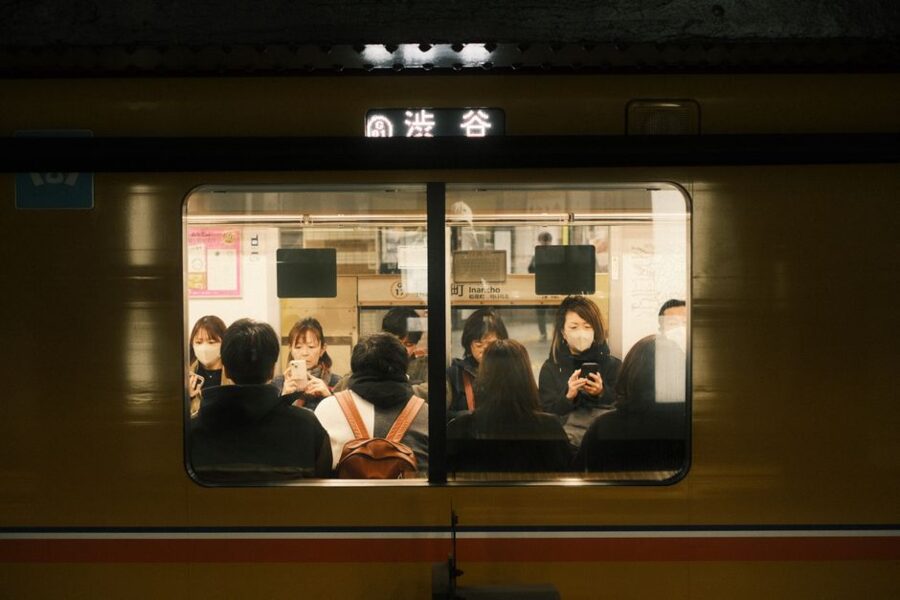
The practical upshot for a learner: the dangerous part of rude Japanese is mostly the grammar, not the vocabulary. You can memorize every insult below and still offend someone faster with the wrong pronoun.
The common words, and how strong each one is
Strength depends on tone and relationship, so treat this as a rough guide from mild to harsh. “Casual” means you may hear it between close friends; anything past that you should only ever recognize.
| Japanese | Romaji | Meaning | How strong |
|---|---|---|---|
| うるさい | urusai | noisy; shut up | mild to rude, by tone |
| ばか / 馬鹿 | baka | idiot, fool | mild between friends, rude to anyone else |
| あほ / 阿呆 | aho, ahō | idiot, dummy | teasing in Kansai, sharper in Tokyo |
| くそ | kuso | crap, damn | rude, mostly said to yourself |
| ちくしょう / 畜生 | chikushō | damn it; you beast | rude to harsh |
| うざい | uzai | annoying, a pain | rude, hurtful aimed at a person |
| きもい | kimoi | gross, creepy | rude, hurtful aimed at a person |
| ばかやろう / 馬鹿野郎 | bakayarō | you idiot, you jerk | harsh |
| てめえ | temē | you (bastard) | harsh, fighting talk |
| きさま / 貴様 | kisama | you (contemptuous) | harsh, theatrical |
| 死ね | shine | die | very harsh; never say it |
ばか (baka): the all-purpose idiot
Japanese dictionaries trace ばか to the Sanskrit moha, “ignorance,” probably by way of monks’ jargon, and call the kanji 馬鹿 (“horse” plus “deer”) phonetic borrowing. A popular story ties those kanji to a Chinese minister who presented a deer to his emperor as a horse to test who would contradict him. It makes a good memory hook; treat it as that.
Baka is far more flexible than “idiot.” It works as an adverb, ばかに暑い (baka ni atsui, “ridiculously hot”), as a prefix, ばか正直 (baka shōjiki, “truthful to a fault”), and even for broken things: a screw that no longer bites has “gone baka.” The same dictionary notes it is often said with affection. A partner who says ばかだな (baka da na) after you apologize for something silly is closer to “you dope” than to an insult.
| Japanese | Romaji | English | Level |
|---|---|---|---|
| ばかだなあ。 | Baka da nā. | You dope. (fond) | casual |
| ばかにしないで。 | Baka ni shinaide. | Don’t make fun of me. | casual |
| ばかなことを言うな。 | Baka na koto o iu na. | Don’t talk nonsense. | rough |
あほ (aho) and the line across Japan
The Daijisen puts it plainly: あほ belongs to Kansai and ばか to Kanto. In Osaka, aho is the word for a friend who has done something daft, and the stand-up double acts at the theaters in Namba would be half silent without it. Called ばか in Osaka, people hear real contempt. Called あほ in Tokyo, they hear the same.
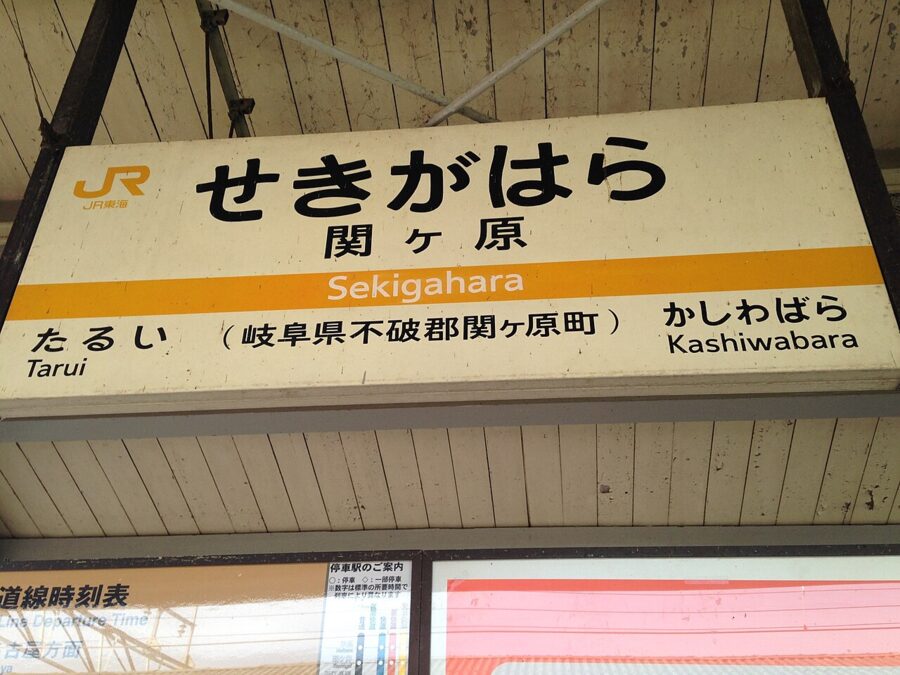
Back to that Osaka husband. The reporter sent out to find his line rode west from Tokyo and hit a surprise in Nagoya, where people said neither word but たわけ (tawake). He placed the aho-tawake border near Sekigahara, on the Gifu side of the Shiga line. The producer, Matsumoto Osamu, then mailed a questionnaire to the education board of every municipality in Japan and in May 1991 broadcast a full national map.

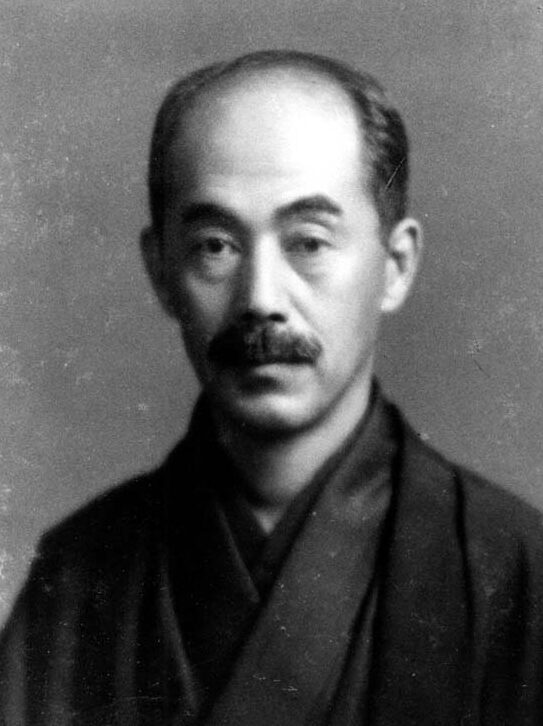
The map surprised linguists. The words for “fool” sat in rings around Kyoto, the old capital, with the same word turning up at equal distances in opposite corners of the country, the pattern you get when new words spread outward from a center and old ones survive at the edges. Matsumoto counted far more rings than the five that folklorist Yanagita Kunio had found for the word “snail.” His book, 全国アホ・バカ分布考 (Zenkoku Aho Baka Bunpu Kō), came out in 1993, with a paperback edition in 1996.


Kansai also sharpens aho with the prefix ど (do): どあほ (do-aho) is a full-strength “you complete idiot.” If you live in Osaka, let friends call you aho first and copy their tone. If you live in Tokyo, I would leave it alone.
くそ (kuso): the closest thing to a real swear word
くそ means feces, and it is old enough to appear in the Kojiki of 712, where gods are born from it. Said alone, くそっ (kuso!) is what you mutter when you miss the train: “damn.” Most of the time people say it to themselves, not at anyone.
It also works as a prefix that makes things worse or bigger, くそ暑い (kuso atsui, “damn hot”) and くそまじめ (kuso majime, “stiffly serious”), and as a suffix in へたくそ (hetakuso, “hopeless at it”). くそったれ (kusottare) and くそやろう (kuso yarō) aim it at a person, and those are fighting words.
ちくしょう (chikushō): from the Buddhist animal realm
畜生 began as a Buddhist translation of a Sanskrit word for animals, and the animal realm sits with the hells and the hungry ghosts among the three worst places to be reborn. Calling someone that was calling them subhuman. Today ちくしょう, or こんちくしょう (kon-chikushō, “this beast”), is mostly an exclamation of frustration, a notch above kuso. You will also hear the clipped form ちきしょう (chikishō).
うざい (uzai) and きもい (kimoi): the playground pair
うざい means “annoying,” shortened from うざったい (uzattai). The Daijisen says it started as a word for “unpleasant, creepy” in the dialect of the Tama area around Hachioji in western Tokyo, became Tokyo youth slang in the early 1970s and then spread nationwide. Rough speakers stretch it to うぜえ (uzē).

きもい (kimoi) is short for 気持ち悪い (kimochi warui, “gross, creepy”). Said about a bug, it is ordinary slang. Said about a person, both are standard schoolyard insults, and they hurt more than their size suggests.
うるさい (urusai): noisy, then shut up
うるさい is a normal adjective first: a loud street is うるさい. Aimed at a person who is talking, it means “shut up,” and the rough form うるせえ (urusē) is a staple of anime. A tired うるさいなあ (urusai nā) to a sibling is mild; barked at a stranger it is a provocation.
Rude grammar: how a sentence turns hostile
Here is where real offense happens. None of the four patterns below needs a bad word.
Dropping polite speech
Talking to a stranger, a customer or an older person in plain form instead of desu/masu is called タメ口 (tameguchi), and many people take it as disrespect on its own. Compare 何をしていますか (nani o shite imasu ka, “what are you doing?”, polite) with 何してんだよ (nani shite n da yo, “what the hell are you doing”, rough). Same question, very different evening.

The pronoun ladder
Japanese mostly avoids “you,” using names and titles instead, which is why the pronouns that remain carry so much charge. Each of these started out respectful and slid downhill:
| Japanese | Romaji | Where it came from | How it lands now |
|---|---|---|---|
| お前 | omae | 御前, “before (a noble)” | fine between close friends, rude to anyone else |
| てめえ / 手前 | temē | “the space in front of me,” a humble “I” | hostile |
| 貴様 | kisama | “honored person,” used in samurai letters | contemptuous |
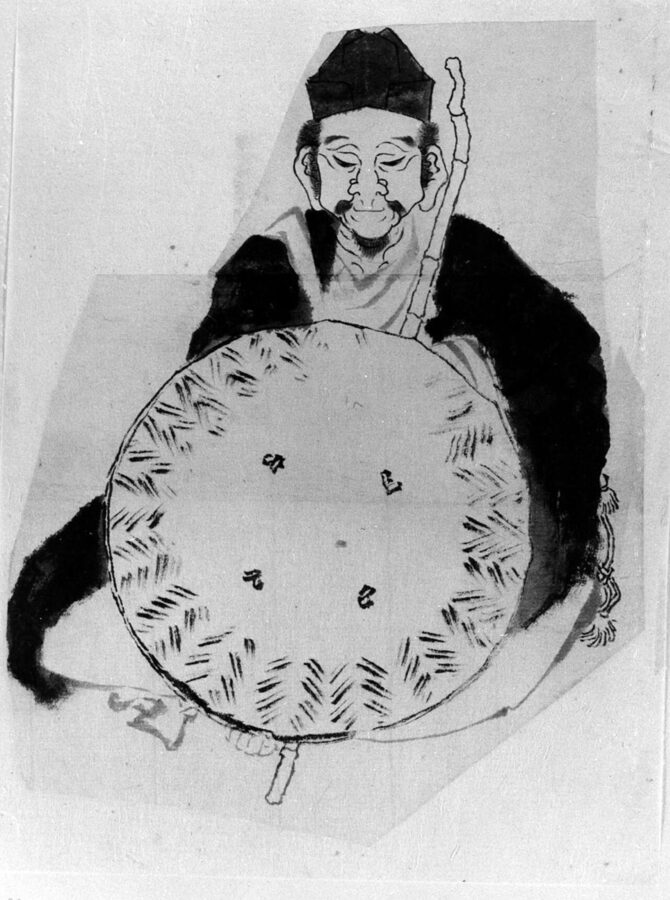
The history of 貴様 is the clearest case. The 様 (sama) on the end is the same honorific you meet among the Japanese suffixes, and samurai used the word in letters to people they respected. Two centuries of everyday use wore the respect off.
てめえ made the opposite trip, from a humble “I” to a hostile “you.” Polite words for “you” keep going sour in Japanese, which is why careful speakers skip the pronoun entirely.
On the speaker’s side, 俺 (ore) is the ordinary casual “I” for men, not an insult, but 俺様 (ore-sama, “my magnificent self”) is pure swagger. Pair ore with てめえ and you have the classic opening line of an anime fight.
The verb ending やがる (-yagaru)
Add やがる to the stem of a verb and you sneer at whoever is doing it. It grew out of 上がる (agaru), and the Nihon Kokugo Daijiten’s earliest example comes from the kabuki play Shibaraku, staged in 1714. It is rough, mostly male speech.
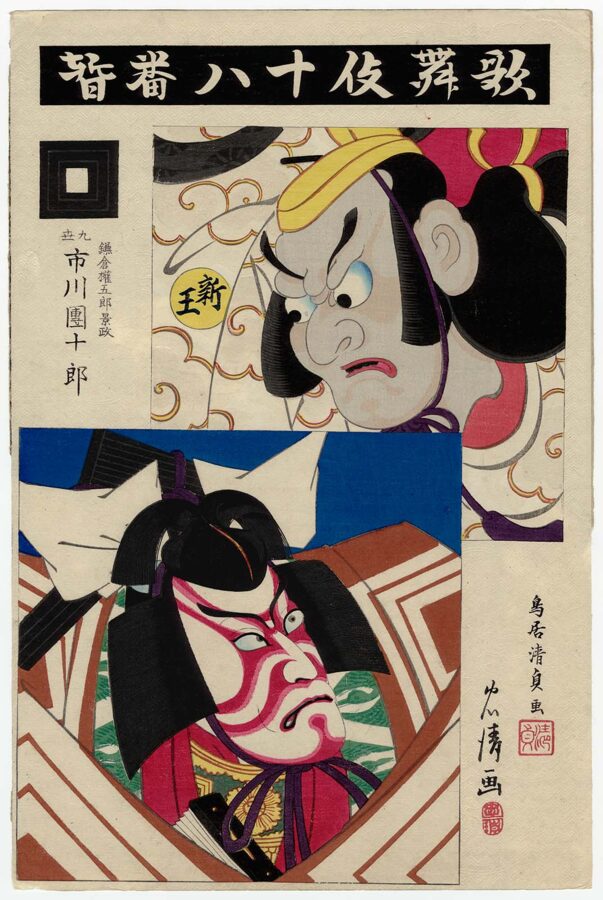
| Japanese | Romaji | English | Level |
|---|---|---|---|
| 何しやがる! | Nani shiyagaru! | What the hell do you think you’re doing! | rough |
| 嘘つきやがって。 | Uso tsukiyagatte. | The liar, lying to me like that. | rough |
| 覚えてやがれ! | Oboete yagare! | You’ll pay for this! | rough |
Bare commands
The plain imperative is not rude in itself. It is printed on every stop sign in the country. Aimed at a person, though, it is a shove.
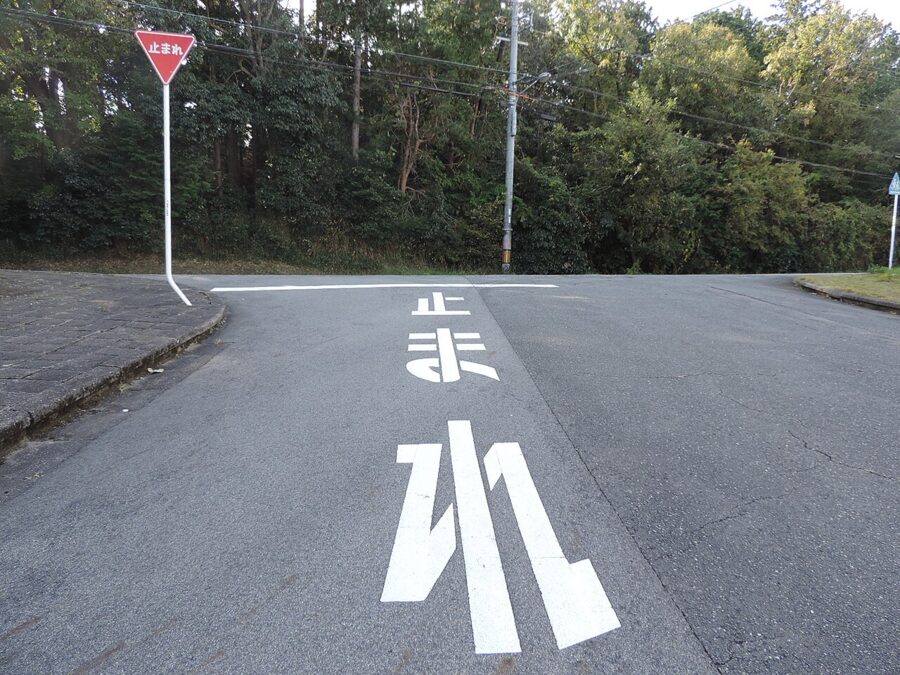

The ones you will hear are 黙れ (damare, “shut up”), どけ (doke, “out of my way”), 消えろ (kiero, “get lost”), くたばれ (kutabare, “drop dead”) and the negative command ふざけるな (fuzakeru na), squeezed in speech to ふざけんな (fuzakenna), “quit messing around” or worse. Rough speakers also fuse vowels, so ない becomes ねえ (nē) and うるさい becomes うるせえ. That sound change alone tells you a speaker has stopped being polite.
Words a learner should never say
A few words sit outside the scale entirely. 死ね (shine, “die”) is the first: it is the imperative of 死ぬ (shinu), it is far more common in anime than in life, and outside the screen it reads as a wish for someone’s death.
Then come the slurs, which I will name once so you can recognize them and never repeat them. The old status terms えた (eta) and 非人 (hinin) were imposed on outcaste communities in the Edo period and are still used against their descendants, a form of prejudice the Ministry of Justice treats as buraku discrimination. チョン (chon) is a slur against Koreans. Older words for disability, such as めくら (mekura) for blind people and きちがい (kichigai) for people with mental illness, along with the internet-era ガイジ (gaiji) clipped from the word for a disabled child, are treated the same way.
Japanese TV and radio stations avoid these under their own guidelines and bleep or reword them, a voluntary practice known as 放送禁止用語 (hōsō kinshi yōgo), “words banned from broadcast.” It is not a law. The laws are elsewhere: Japan passed an act against hate speech aimed at people from outside Japan in 2016, and a separate act on buraku discrimination the same year.
Insults themselves can be a crime. Article 231 of the Penal Code covers insulting someone in public, and in July 2022 the penalty for insult was raised from a short detention or a petty fine under ¥10,000 (about $65) to up to a year in prison or a fine of up to ¥300,000 (about $2,000), with three years to prosecute instead of one. That is the rule as of November 2026. Abuse on social media was the main push for the change, and a public post counts as “in public.”


Appearance insults are not slurs, but they are cruel enough to belong here: ブス (busu, “ugly,” aimed at women), デブ (debu, “fatso”) and ハゲ (hage, “baldy”). Plenty of Japanese comedy runs on them. That does not make them safe for you.
What anime teaches you that you should leave on the screen
Anime and manga are written for drama, and drama needs characters who are rude on purpose. The hero calls his rival お前 or てめえ, the villain says 貴様, the tough girl yells ばか and うるさい at the boy she likes. None of this is wrong Japanese. It is Japanese with the volume turned to eleven.
The habits I see learners pick up most often, and what to do instead:
- お前 for “you.” Use the person’s name with さん (san). If you don’t know it, rephrase so you need no “you” at all.
- 俺 from everyone. Fine for men among friends; at work or with anyone older, use 私 (watashi) or 僕 (boku).
- Sentence endings ぜ (ze) and ぞ (zo). These are swaggering male endings. In real conversation they sound like a costume.
- Shouting ばか as a joke. Between close friends who started it, maybe. With anyone else it is just an insult in a foreign accent.
- Reusing lines verbatim. A famous anime threat said at a party is not cute to a Japanese listener. It sounds like you mean it.

A good habit: when you learn a rough line from a show, find its polite twin and practice that instead. 黙れ becomes 静かにしてください (shizuka ni shite kudasai, “please be quiet”). どけ becomes すみません、通ります (sumimasen, tōrimasu, “excuse me, coming through”). Japanese sentence structure helps: politeness lives at the end of the sentence, so the fix is often one ending, as in 待て (mate, “wait”) to 待ってください (matte kudasai, “please wait”).
When someone is rude to you
It is rare, but it happens: a drunk on the last train, a stranger annoyed that you are in the way, a comment online. The best weapon you have is calm polite Japanese. Swearing back in a second language makes you the scene; staying in desu/masu leaves the rude person standing in the wrong, in front of everyone.
| Japanese | Romaji | English | Level |
|---|---|---|---|
| すみません、今なんと言いましたか。 | Sumimasen, ima nan to iimashita ka. | Sorry, what did you just say? | polite |
| やめてください。 | Yamete kudasai. | Please stop. | polite |
| 失礼ですね。 | Shitsurei desu ne. | That’s rude. | polite |
| そういう言い方はやめてください。 | Sō iu iikata wa yamete kudasai. | Please don’t speak to me like that. | polite |
The first line gives the other person room to back down, and many will. If it goes further than words, walk to the nearest 交番 (kōban), the police boxes on most busy corners, or call 110. For discrimination that keeps happening at work, at school or from a landlord, the Ministry of Justice runs a human rights counseling service for foreign residents with help in several languages.

Quick answers
Are there cuss words in Japanese?
A few, but nothing like English. くそ is the nearest true swear word; most rudeness comes from pronouns, plain-form speech and commands.
Is baka a swear word?
No. It is an insult that ranges from fond teasing to genuinely rude, depending on tone and relationship. In Kansai it is the harsher choice.
Is kuso a swear word?
It is the closest Japanese has. On its own it means “damn” or “crap”; aimed at a person, as in くそやろう, it is fighting talk.
Is yatsu a bad word?
奴 (yatsu) just means “guy” or “thing,” and いいやつ (ii yatsu, “a good guy”) is a compliment. It is casual, so don’t use it for your boss, and あいつ (aitsu, “that guy”) can sound dismissive.
Is yabai a swear word?
No. やばい (yabai) is casual slang for “risky, bad” and, among younger speakers, “amazing.” Keep it out of formal speech, but nobody will be offended.
If you practice one line from all of this, make it 失礼ですね, said evenly and without raising your voice. The Osaka husband and his Tokyo wife never needed a ruder word; they needed to know which small word hurt. Add it to your vocabulary flashcards tonight, polite form on the front.