
Write your answer down before you open each one. A guess you only make in your head is easy to change after the fact, and the mistakes worth finding are the ones you would make out loud, at a shop counter or on a station platform.
There are 40 questions in seven sets: particles, desu and masu, verbs and the te form, adjectives, counters, question words, and a mixed set that makes them work together. Each is a real sentence with a gap, in kana first, then romaji, then English with the politeness level.
The full rules live in the Japanese grammar guide. Each answer here gets a line or two: why the right choice is right and, more often, why the wrong one looked tempting.
The format comes from the JLPT N5, the first level of the Japanese-Language Proficiency Test, whose grammar questions look exactly like this, with four choices where I give three. N5 allows 40 minutes for grammar and reading together. The next sitting is Sunday, December 6, 2026 (as of November 2026); the test runs in July and December, though some cities outside Japan hold only one.
Score one point per question; the two-blank question counts only if both blanks are right.
目次 Contents
Particles: は, が, を, に and で
Five small words do most of the work in a beginner sentence. If loanwords like コーヒー and テレビ slow you down more than the grammar, brush up your katakana first.
1. わたし( )がくせいです。
watashi ( ) gakusei desu
“I’m a student.” (polite)
a) が b) は c) を
Answer
b) は (wa). は marks the topic, what the sentence is about. It is written with the kana ha and read wa when it works as a particle. が is possible only as a reply to “Who is the student?”
2. あそこに ねこ( )います。
asoko ni neko ( ) imasu
“There’s a cat over there.” (polite)
a) を b) が c) で
Answer
b) が (ga). With います and あります, the thing that exists takes が when you point it out for the first time. います is for living things; a chair would take あります.
3. まいあさ コーヒー( )のみます。
maiasa kōhī ( ) nomimasu
“I drink coffee every morning.” (polite)
a) に b) が c) を
Answer
c) を (o). を marks the direct object, the thing the verb acts on. It is pronounced o but often romanized wo, which is also how you type it.
4. としょかん( )べんきょうします。
toshokan ( ) benkyō shimasu
“I study at the library.” (polite)
a) で b) に c) を
Answer
a) で (de). で marks where an action happens. に marks where something simply is (としょかんに います, “I’m at the library”) or where you go. Studying is an action, so で.

5. あした きょうと( )いきます。
ashita Kyōto ( ) ikimasu
“I’m going to Kyoto tomorrow.” (polite)
a) で b) を c) に
Answer
c) に (ni). に marks the destination of movement verbs: いきます, きます, かえります. へ (read e) also works; に is the one you will hear more.
6. しちじ( )おきます。
shichi-ji ( ) okimasu
“I get up at seven.” (polite)
a) に b) で c) が
Answer
a) に (ni). Clock times, dates and days of the week take に. Relative time words like あした, まいにち and きのう stand alone. Destination and time are two of the jobs of the particle に; the third is the person on the receiving end.
7. だれ( )きましたか。
dare ( ) kimashita ka
“Who came?” (polite)
a) は b) が c) を
Answer
b) が (ga). A question word that is the subject always takes が, and so does the word that answers it: たなかさんが きました. は introduces something already known, and an unknown person can’t be the topic.
8. バス( )がっこうへ いきます。
basu ( ) gakkō e ikimasu
“I go to school by bus.” (polite)
a) で b) に c) を
Answer
a) で (de). で also marks the means: by bus, with chopsticks (はしで), in Japanese (にほんごで). バスに のります, “get on the bus”, uses a different verb.
Desu, masu and their negatives
Polite Japanese runs on two endings: です after nouns and adjectives, ます on verbs. Most errors here put a verb ending on a noun.
9. A: たなかさんは せんせいですか。 B: いいえ、せんせい( )。
A: Tanaka-san wa sensei desu ka / B: iie, sensei ( )
“Are you a teacher, Ms. Tanaka?” “No, I’m not a teacher.” (polite)
a) ません b) じゃありません c) でした
Answer
b) じゃありません (ja arimasen). Nouns take じゃありません, the more formal ではありません, or the softer じゃないです. ません belongs to verbs; せんせいません is not a word. Notice A uses Tanaka’s name where English says “you”.
10. きのうは やすみ( )。
kinō wa yasumi ( )
“Yesterday was my day off.” (polite)
a) です b) でした c) ました
Answer
b) でした (deshita). The past of です is でした. ました is the past of ます and only goes on verbs: やすみました means “I took the day off”, from the verb やすみます.

11. きのう えいがを( )。
kinō eiga o ( )
“I watched a movie yesterday.” (polite)
a) みます b) みました c) みませんでした
Answer
b) みました (mimashita). きのう puts the sentence in the past, so ました. みませんでした is “I didn’t watch”; みます covers the present, habits and the future.
12. いっしょに ひるごはんを たべ( )か。
issho ni hirugohan o tabe( ) ka
“Would you like to have lunch with me?” (polite)
a) ます b) ません c) ました
Answer
b) ません (masen). ませんか, a negative question, is the polite invitation: “won’t you…?” たべますか only asks whether someone eats lunch.
13. Which is the casual form of いきません (ikimasen, “don’t go”)?
a) いかない b) いきない c) いかなかった
Answer
a) いかない (ikanai). For u-verbs, move the last sound to the a-row and add ない: いく → いかない, のむ → のまない. いかなかった is the casual past, “didn’t go”. Casual forms are for friends; with strangers, stay with ます.
Verb groups and the te form
Japanese verbs fall into three groups: u-verbs (godan), ru-verbs (ichidan) and two irregulars, する and くる. The te form is where the groups matter most, because each u-verb ending changes in its own way.
14. Which of these is a ru-verb?
a) かえる (kaeru, “go home”) b) たべる (taberu, “eat”) c) はしる (hashiru, “run”)
Answer
b) たべる. All three end in -eru or -iru, and two of them are still u-verbs. The test is the masu form: たべます drops the る whole, while かえります and はしります keep an り.
15. What is the te form of かく (kaku, “write”)?
a) かって b) かいて c) かきて
Answer
b) かいて (kaite). Verbs ending in く change to いて: かく → かいて, きく → きいて. かきて, て glued onto the masu stem, is the classic mistake.
16. What is the te form of いく (iku, “go”)?
a) いいて b) いきて c) いって
Answer
c) いって (itte). いく is the one く verb that breaks the rule in question 15. You will use it daily.
17. What is the te form of のむ (nomu, “drink”)?
a) のんで b) のって c) のみて
Answer
a) のんで (nonde). む, ぶ and ぬ endings become んで: のむ → のんで, あそぶ → あそんで, しぬ → しんで. う, つ and る endings become って: かう → かって, まつ → まって, かえる → かえって.

18. ちょっと まって( )。
chotto matte ( )
“Please wait a moment.” (polite)
a) ください b) います c) あります
Answer
a) ください (kudasai). Te form plus ください is the everyday polite request. まって います means “I’m waiting”, a statement, not a request. Among friends the ください drops off: ちょっと まって (casual).
19. いま あめが ふって( )。
ima ame ga futte ( )
“It’s raining now.” (polite)
a) ください b) います c) あります
Answer
b) います (imasu). Te form plus いる describes something in progress: たべて います, “I’m eating”; ふって います, “it’s raining”. With some verbs it describes a state instead: けっこんして います means “I’m married”, not “I’m getting married”.
I-adjective or na-adjective?
Two families, two sets of endings. I-adjectives conjugate on their own (たかい → たかくない); na-adjectives lean on です and じゃ the way nouns do. The trap is a handful of na-adjectives that also end in い: きれい, ゆうめい, きらい.

20. この ラーメンは たか( )です。
kono rāmen wa taka( ) desu
“This ramen isn’t expensive.” (polite)
a) くない b) いじゃない c) じゃない
Answer
a) くない (kunai). I-adjectives drop the final い and add くない: たかくないです. Said casually, たかいじゃない! comes out as “Well, that’s expensive!”, close to the opposite of what you meant.
21. この まちは しずか( )です。
kono machi wa shizuka ( ) desu
“This town isn’t quiet.” (polite)
a) くない b) じゃない c) ない
Answer
b) じゃない (ja nai). しずか is a na-adjective, so it takes じゃ or では like a noun: しずかじゃないです, or しずかじゃありません.
22. りょこうは たのし( )です。
ryokō wa tanoshi( ) desu
“The trip was fun.” (polite)
a) かった b) いでした c) でした
Answer
a) かった (katta). I-adjectives carry their own past tense: たのしい → たのしかった, then です for politeness. たのしいでした looks logical and is wrong.
23. きのうの テストは( )です。
kinō no tesuto wa ( ) desu
“Yesterday’s test went well.” (polite)
a) いかった b) よかった c) いいでした
Answer
b) よかった (yokatta). いい is the one irregular i-adjective. Every form but いい itself is built from its older twin よい: よくない, よかった, よくなかった. いかった does not exist.
24. ここは( )こうえんです。
koko wa ( ) kōen desu
“This is a quiet park.” (polite)
a) しずか b) しずかの c) しずかな
Answer
c) しずかな (shizuka na). Before a noun, na-adjectives take な, which is where the family gets its name. I-adjectives go straight on: しずかな こうえん, but ひろい こうえん.
Counting things
Japanese counts with a number plus a counter that depends on what you are counting. A beginner can get far on a handful: つ for general things, 人 for people, 本 for long thin things, 枚 for flat things. Then the sound changes catch you out.
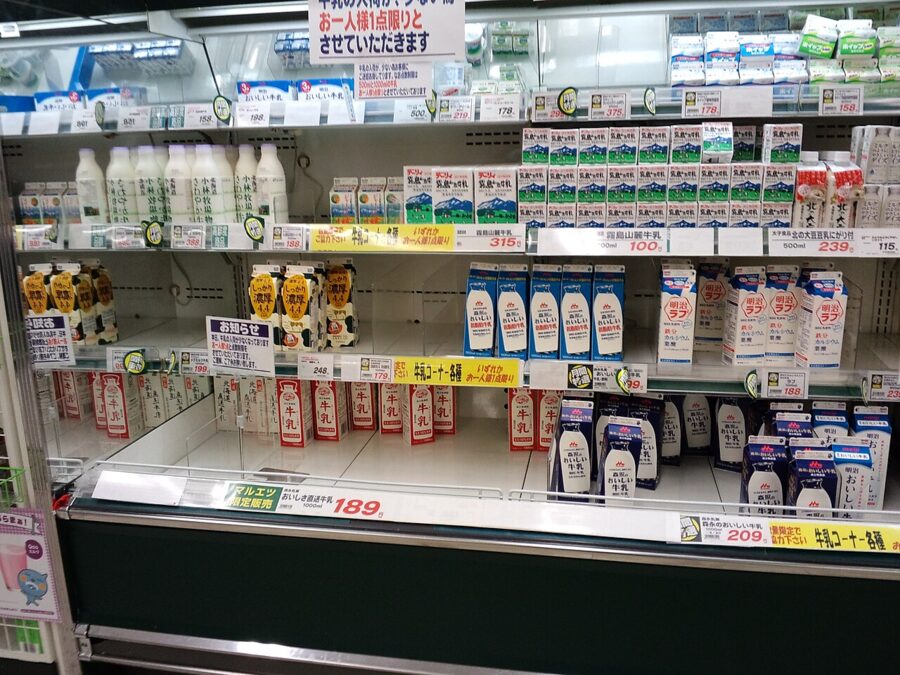
25. りんごを( )ください。
ringo o ( ) kudasai
“Three apples, please.” (polite)
a) さんつ b) みっつ c) さんにん
Answer
b) みっつ (mittsu). The counter つ uses the native Japanese numbers: ひとつ, ふたつ, みっつ, up to とお for ten. It covers almost any object when you don’t know the right counter.

26. かぞくは( )です。
kazoku wa ( ) desu
“There are four people in my family.” (polite)
a) よんにん b) よにん c) しにん
Answer
b) よにん (yonin). People go ひとり, ふたり, then さんにん, よにん. The first two are irregular, and four is よ before にん.
27. ビールを( )ください。
bīru o ( ) kudasai
“Two bottles of beer, please.” (polite)
a) にまい b) にこ c) にほん
Answer
c) にほん (nihon). Bottles, pens, umbrellas and trains are long and thin, so 本. Listen for the sound shifts: いっぽん, にほん, さんぼん.
28. きっぷを( )かいました。
kippu o ( ) kaimashita
“I bought one ticket.” (polite)
a) いちまい b) ひとまい c) いっまい
Answer
a) いちまい (ichimai). 枚 counts flat things: tickets, sheets of paper, shirts, plates. It never changes sound, so one is simply いちまい.
29. Which sentence means “I bought three pens”? (polite)
a) ペンを さんぼん かいました。 b) さんぼんを ペン かいました。 c) ペンに さんぼん かいました。
Answer
a) ペンを さんぼん かいました。 The number and counter usually follow the noun and its particle, with no particle of their own. さんぼんの ペンを かいました is also correct and leans a little on the number.
Question words
A question word sits where the answer will go. That one fact explains most of them: ask えきは どこですか, answer えきは あそこです.
30. すみません、トイレは( )ですか。
sumimasen, toire wa ( ) desu ka
“Excuse me, where is the toilet?” (polite)
a) だれ b) どこ c) どれ
Answer
b) どこ (doko). どこ asks for a place. Its politer form is どちら, which you will hear from shop and hotel staff.
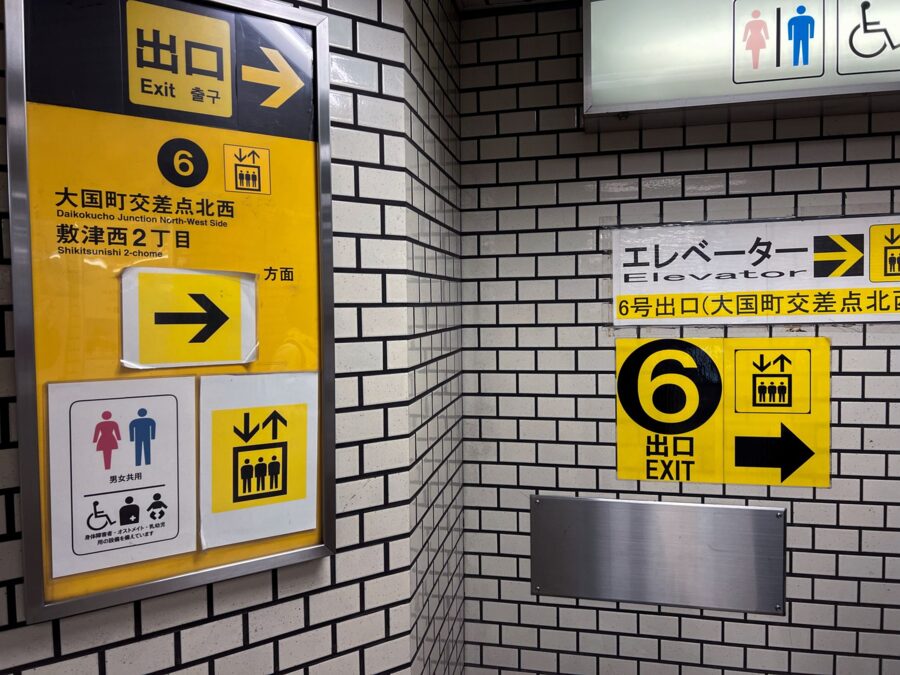
31. A: たなかさんの かさは( )ですか。 B: その あおいのです。
A: Tanaka-san no kasa wa ( ) desu ka / B: sono aoi no desu
“Which one is your umbrella, Ms. Tanaka?” “That blue one.” (polite)
a) どの b) どれ c) なに
Answer
b) どれ (dore). どれ stands alone as “which one”; どの needs a noun after it: どの かさですか. Tanaka answers with その because the umbrella is nearer the person asking.
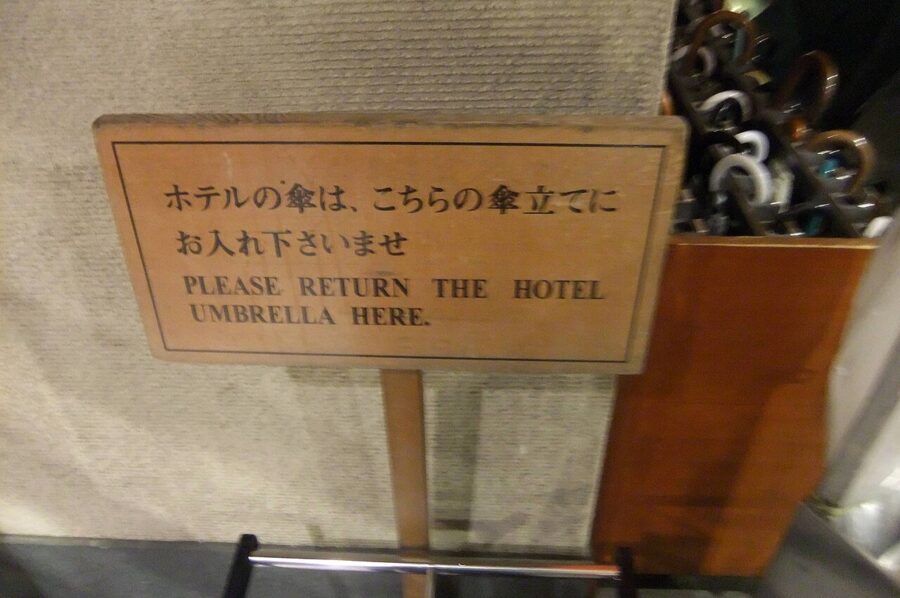

32. これは( )ですか。
kore wa ( ) desu ka
“How much is this?” (polite)
a) いくら b) いくつ c) いつ
Answer
a) いくら (ikura). いくら asks a price; いくつ asks how many, or a child’s age. In a shop, これ いくらですか is all you need.
33. A: たんじょうびは( )ですか。 B: ごがつ みっかです。
A: tanjōbi wa ( ) desu ka / B: gogatsu mikka desu
“When is your birthday?” “May 3.” (polite)
a) いつ b) なんじ c) どこ
Answer
a) いつ (itsu). いつ asks “when” in general; なんじ asks only the clock time. Like あした, いつ takes no に.
34. A: しゅうまつ、( )しましたか。 B: いいえ、なにも しませんでした。
A: shūmatsu, ( ) shimashita ka / B: iie, nani mo shimasen deshita
“Did you do anything at the weekend?” “No, I didn’t do anything.” (polite)
a) なにか b) なにも c) なにを
Answer
a) なにか (nani ka). A question word plus か makes “some-“: なにか, だれか, どこか. Plus も and a negative verb it makes “no-“: なにも しませんでした. なにを しましたか asks “What did you do?”, and いいえ can’t answer that.
Mixed set: put it together
These six combine points from more than one set, and question 37 uses the JLPT’s sentence-building format: four pieces to put in order, and you pick the one for the * slot.
35. ともだち( A )えいがを み( B )いきました。
tomodachi (A) eiga o mi (B) ikimashita
“I went to see a movie with a friend.” (polite)
a) A: と, B: に b) A: に, B: で c) A: と, B: を
Answer
a) A: と, B: に. と after a person means “together with”. The masu stem plus に before a verb of motion gives the purpose: みに いきました, “went to see”.
36. あの みせの すしは( )。
ano mise no sushi wa ( )
“That shop’s sushi was cheap and good.” (polite)
a) やすくて おいしかったです b) やすいで おいしかったです c) やすくて おいしいでした
Answer
a) やすくて おいしかったです. I-adjectives join with くて. The tense goes on the last adjective only, and いでした is wrong for the reason in question 22.
37. えきの まえ __ __ * __ あります。
eki no mae __ __ * __ arimasu
“There’s a big bookshop in front of the station.” (polite)
Pieces: 1) ほんや 2) に 3) おおきい 4) が
Answer
1) ほんや (hon’ya). Build it backward from the verb. あります needs its subject with が, so ほんやが goes last; the adjective sits before its noun; に after まえ marks the location. The full sentence: えきの まえに おおきい ほんやが あります.
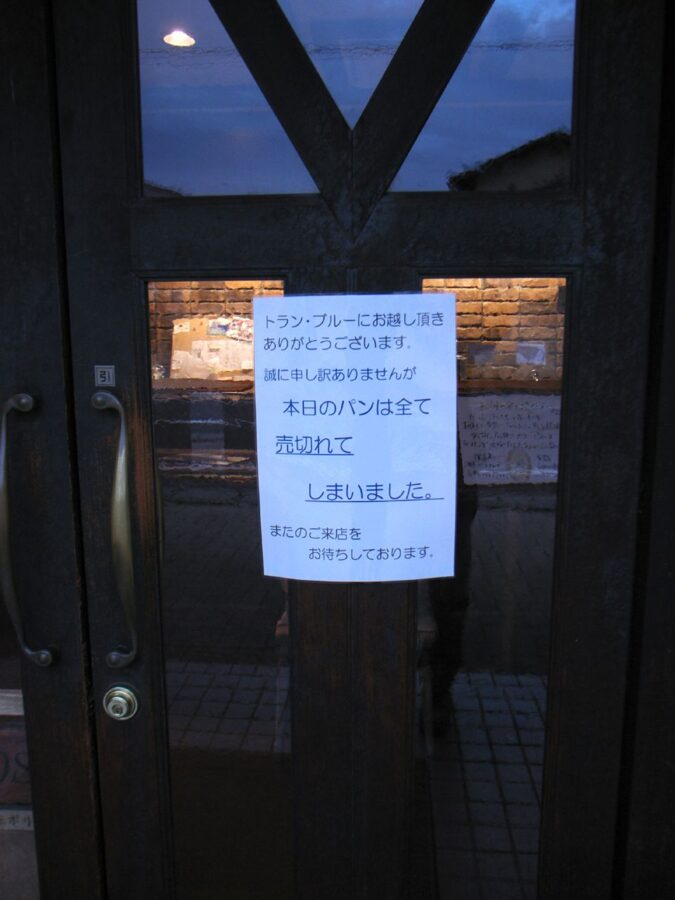

38. へやに だれ( )いません。
heya ni dare ( ) imasen
“There’s nobody in the room.” (polite)
a) か b) も c) が
Answer
b) も (mo). The rule from question 34, with a person this time: だれも plus a negative means “nobody”. And people are いる (います), never ある.
39. A: それは( )ですか。 B: これは にほんごの じしょです。
A: sore wa ( ) desu ka / B: kore wa nihongo no jisho desu
“What is that?” “This is a Japanese dictionary.” (polite)
a) なん b) どれ c) だれ
Answer
a) なん (nan). なに becomes なん before です and before counters (なんにん, なんじ). A’s それ becomes B’s これ because the dictionary is in B’s hands.
40. しゅくだいを して( )、テレビを みます。
shukudai o shite ( ), terebi o mimasu
“I’ll watch TV after I do my homework.” (polite)
a) から b) まで c) ので
Answer
a) から (kara). Te form plus から means “after doing”. Events happen in the order you say them.
What your score means
Add up your points out of 40, then check each set on its own: a decent total can hide one set where you got almost nothing.
| Score | What it means | What to read next |
|---|---|---|
| 36–40 | The N5 core is in place. Your slips are probably the exceptions: いって, よかった, よにん. | Longer sentences: Japanese sentence structure, then the plain forms. |
| 28–35 | Solid, with one or two sets letting you down. | Redo every set where you lost two or more, a week from now, on paper. |
| 18–27 | Particles and verb forms both shaky, which is normal a few months in. | The particle and te-form sections of the grammar guide, then this quiz again. |
| 0–17 | The rules haven’t settled yet. | Start with particles and desu/masu only. If you are still choosing materials, the guide to learning Japanese sets out an order. |

If one set dragged you down
- Particles (1–8): write ten sentences about your own day, one particle circled in each. Most errors here are に against で.
- Desu and masu (9–13): sort every word you know into noun, verb or adjective. The endings follow from the label.
- Verbs (14–19): write out the te form of twenty verbs from memory, grouped by ending.
- Adjectives (20–24): learn きれい, ゆうめい and きらい as na-adjectives on purpose, and いい with its よ forms.
- Counters (25–29): put the counter on the card with the noun, ビール・にほん, so that your flashcards drill them together.
- Question words (30–34): answer out loud in full sentences, the answer where the question word was.
Close the answers now and wait a week. Then take only the questions you missed, on paper, before you open anything. The ones you get wrong twice are tonight’s flashcards.